These murals are not just a piece of history, but an antique heritage that India has been uniquely bestowed upon. The remnants are still as fascinating as they were when discovered & has been a source of inspiration to many modern Indian art forms & artists. While effect of time has taken a toll on these magnificent art form…….the responsibility to preserve one of the finest surviving picture galleries from the ancient world, now, lies with us.
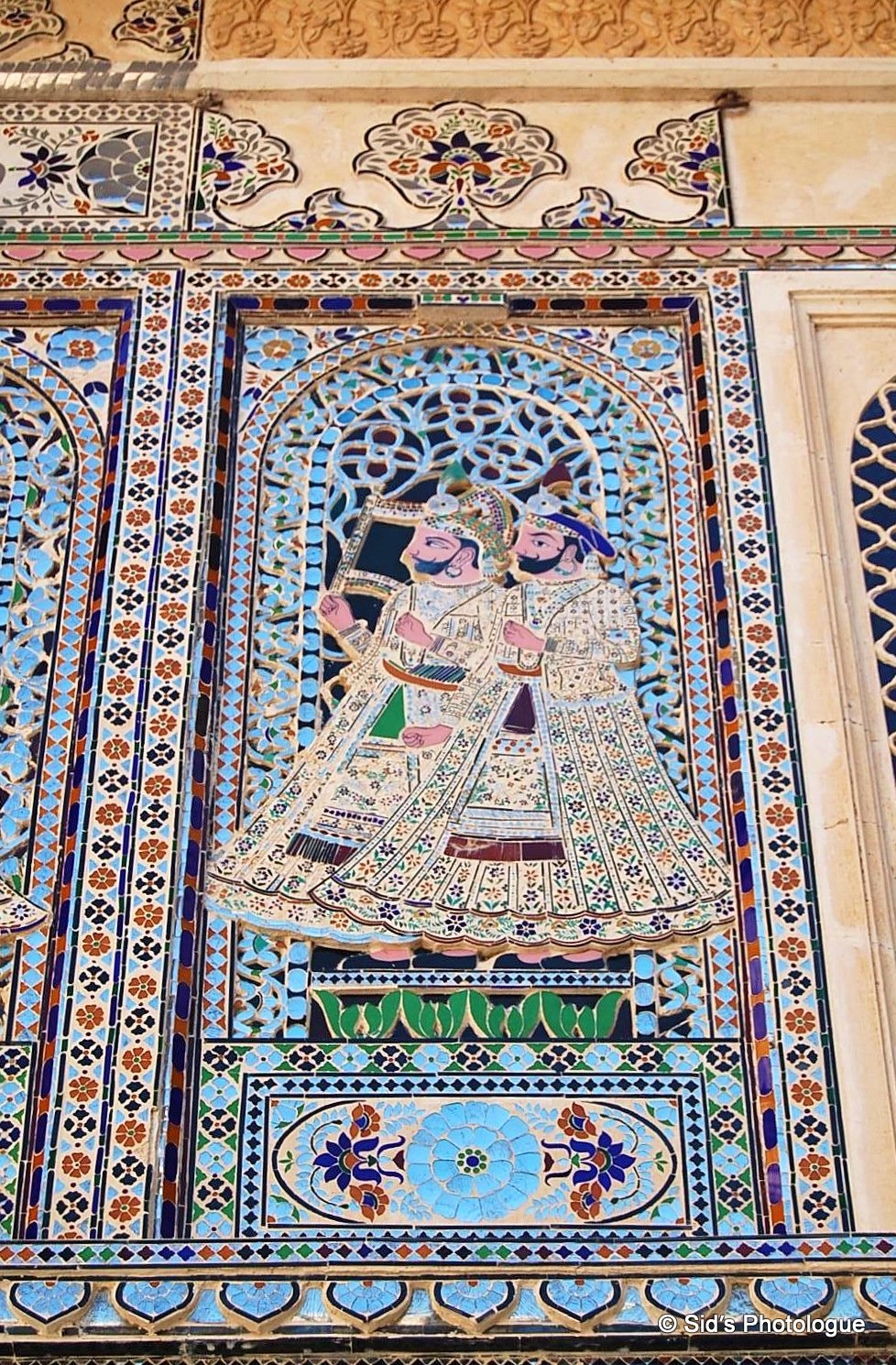
…………..as well as the costumes, ornaments & styles of the court life of their times.
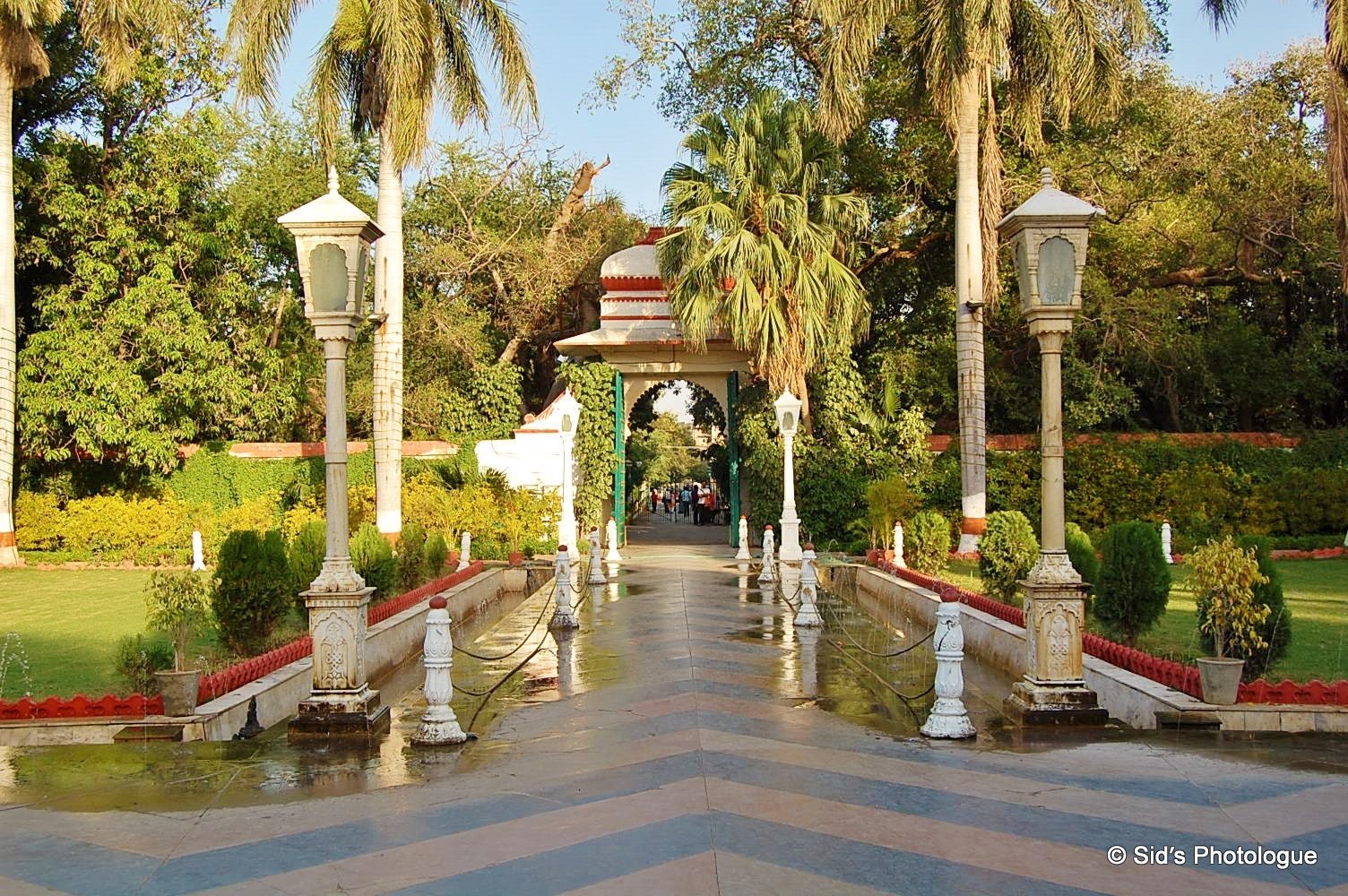
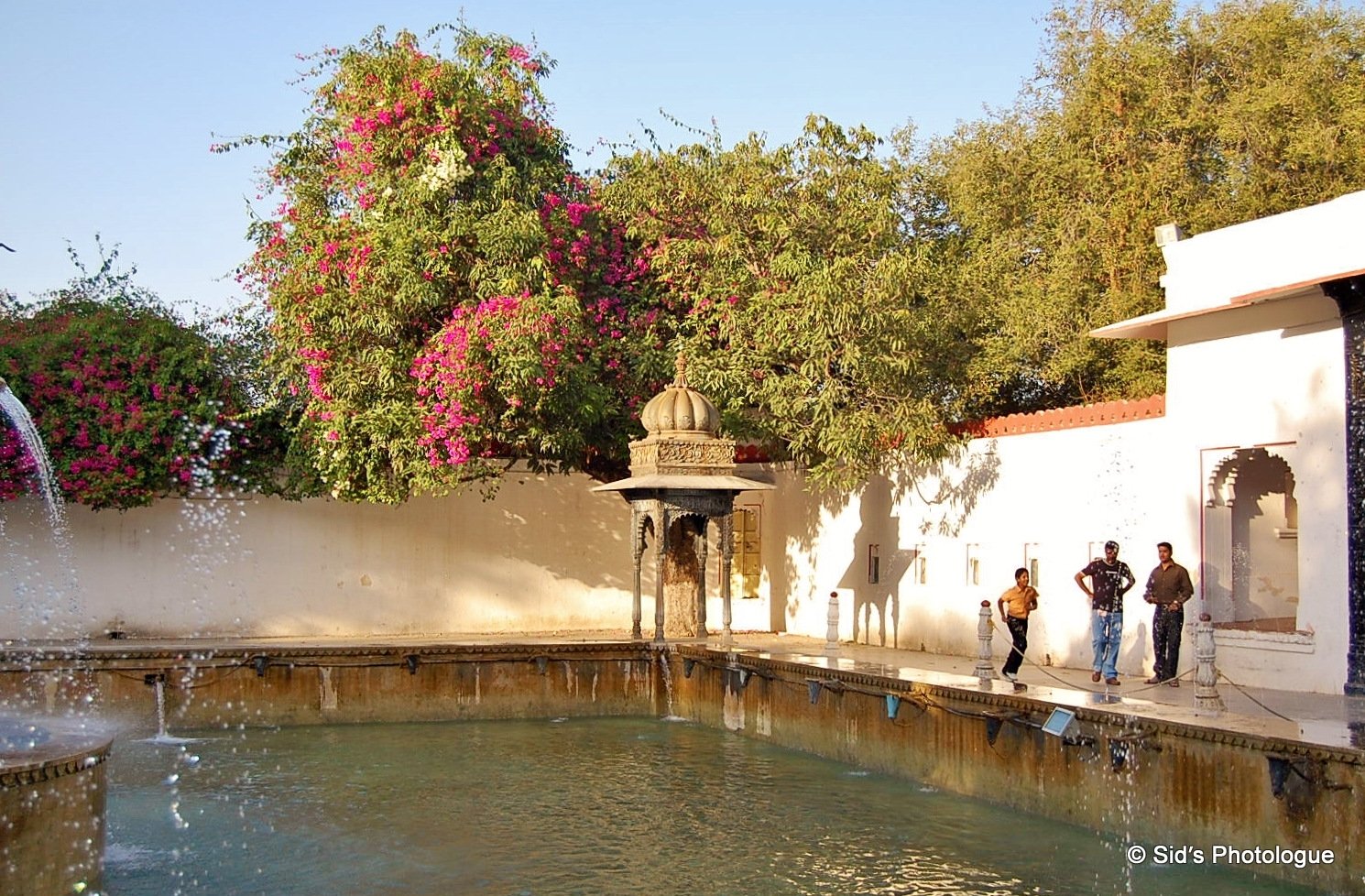
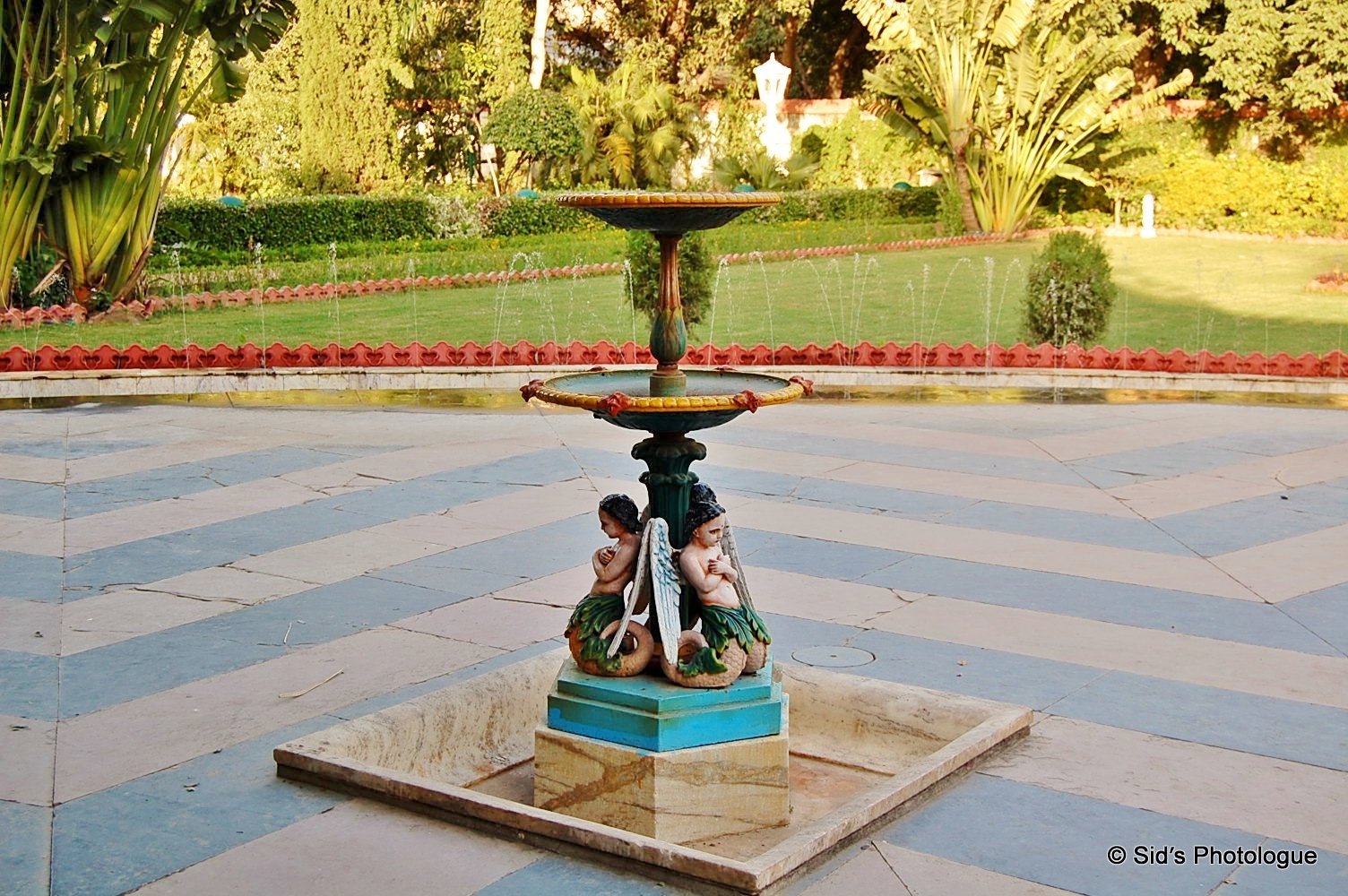
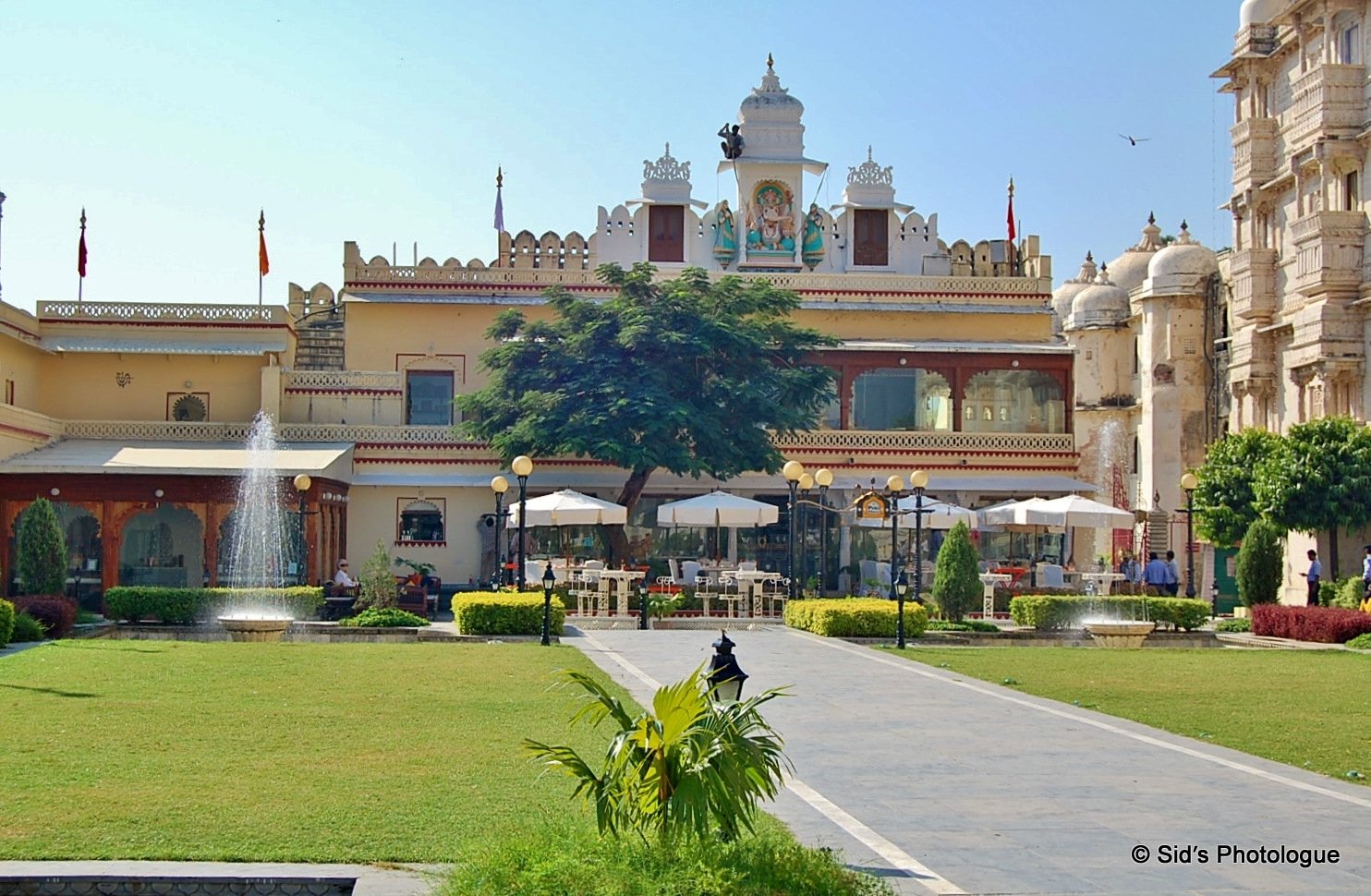
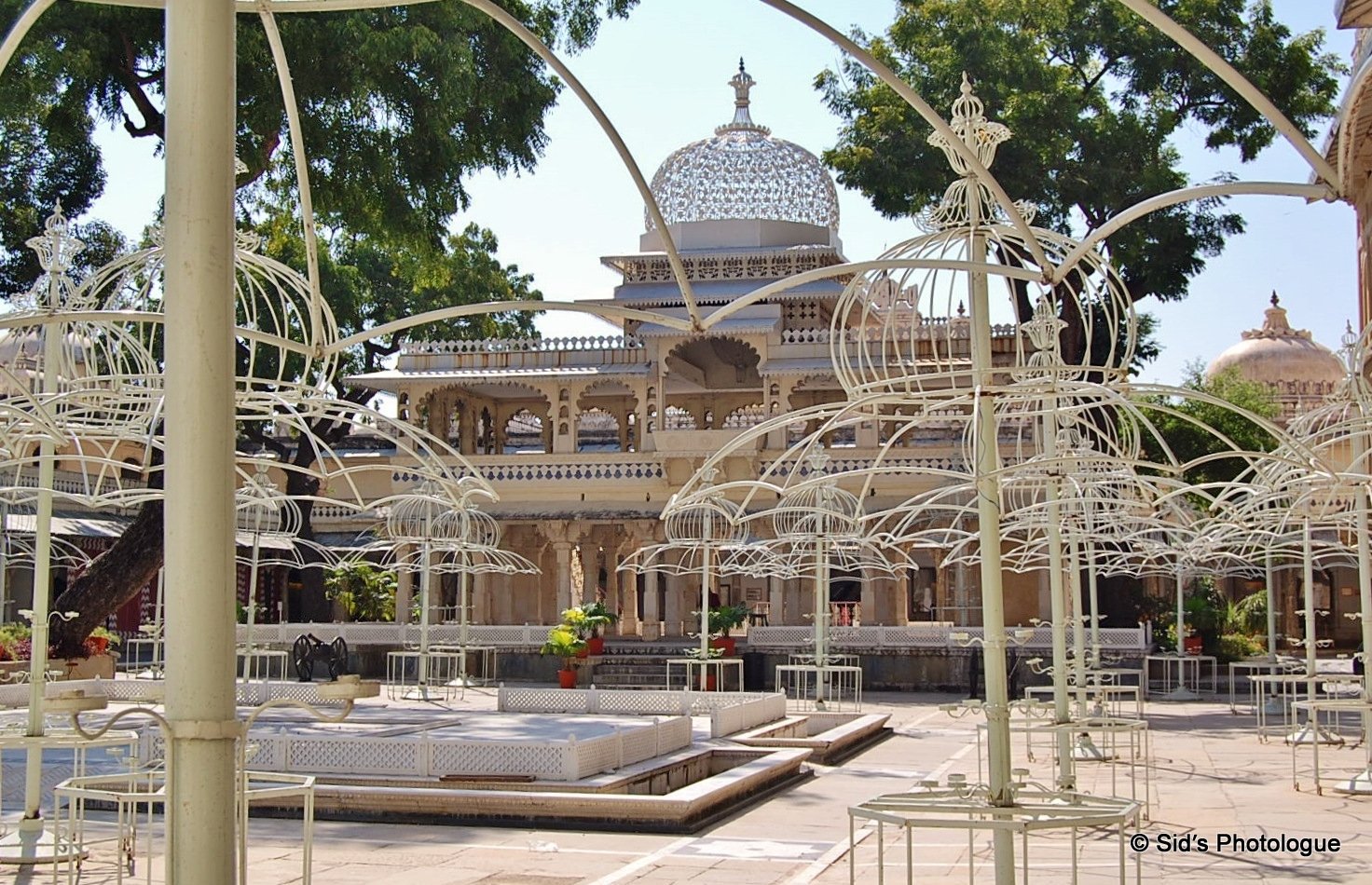
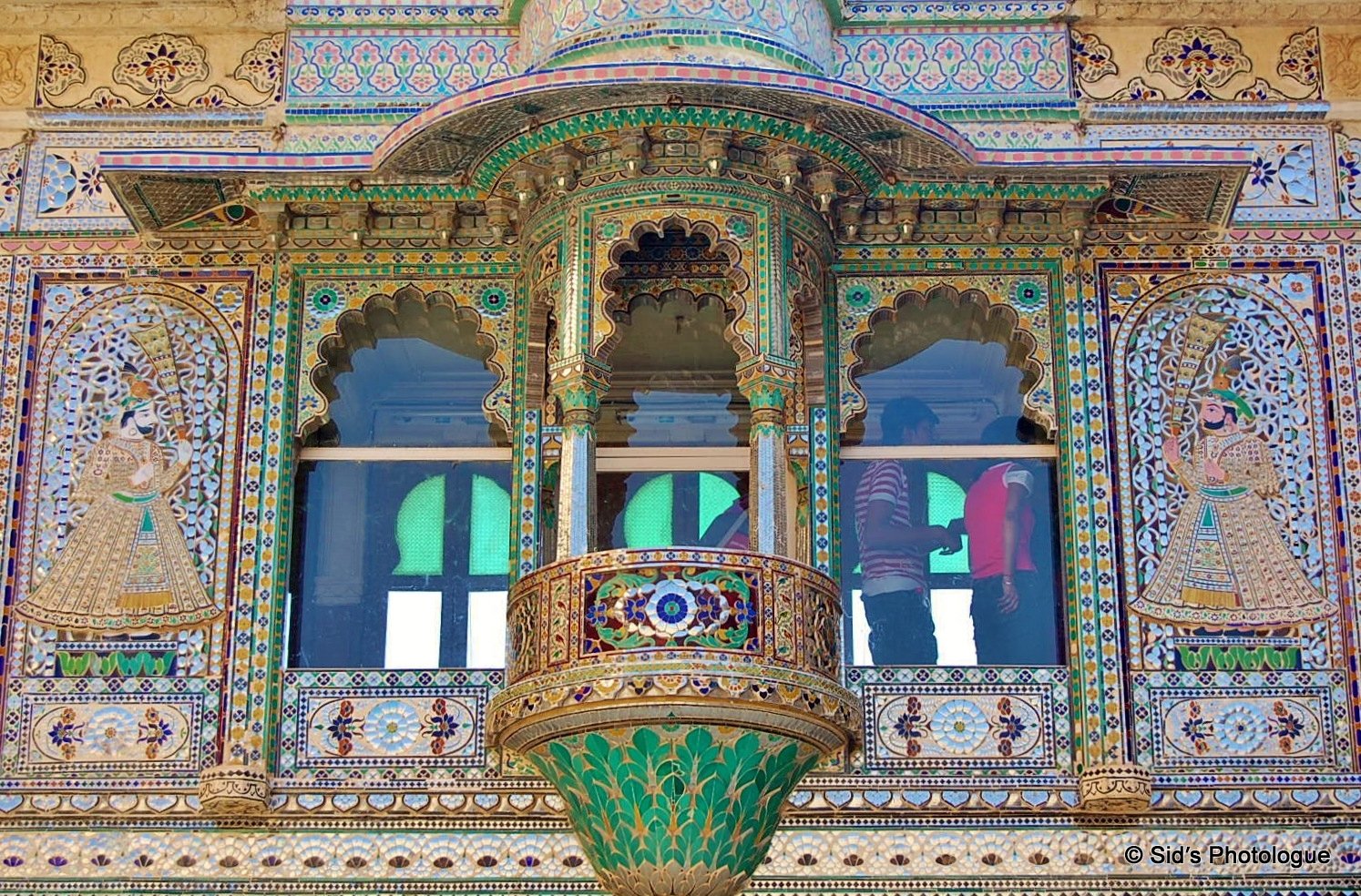
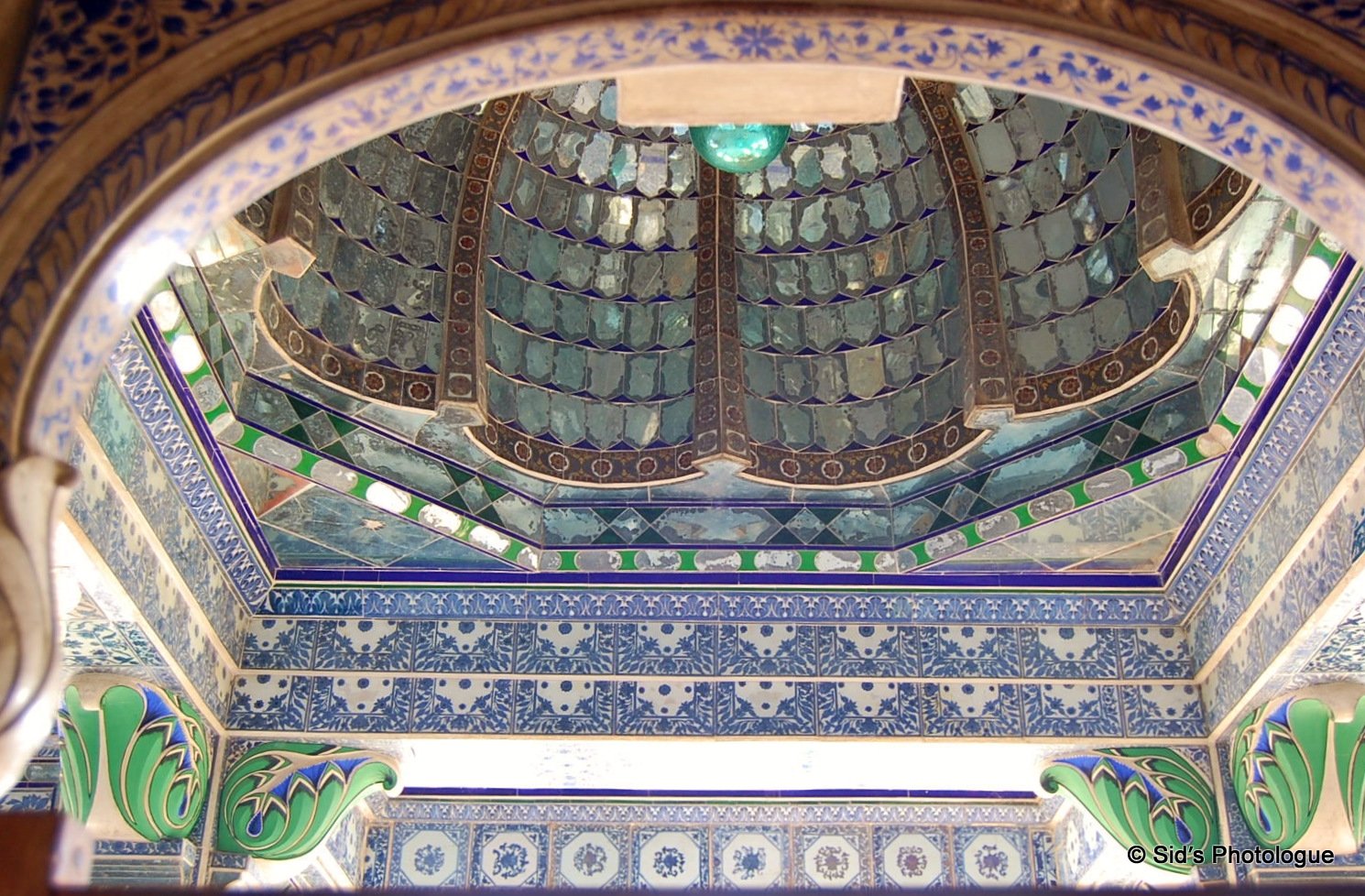
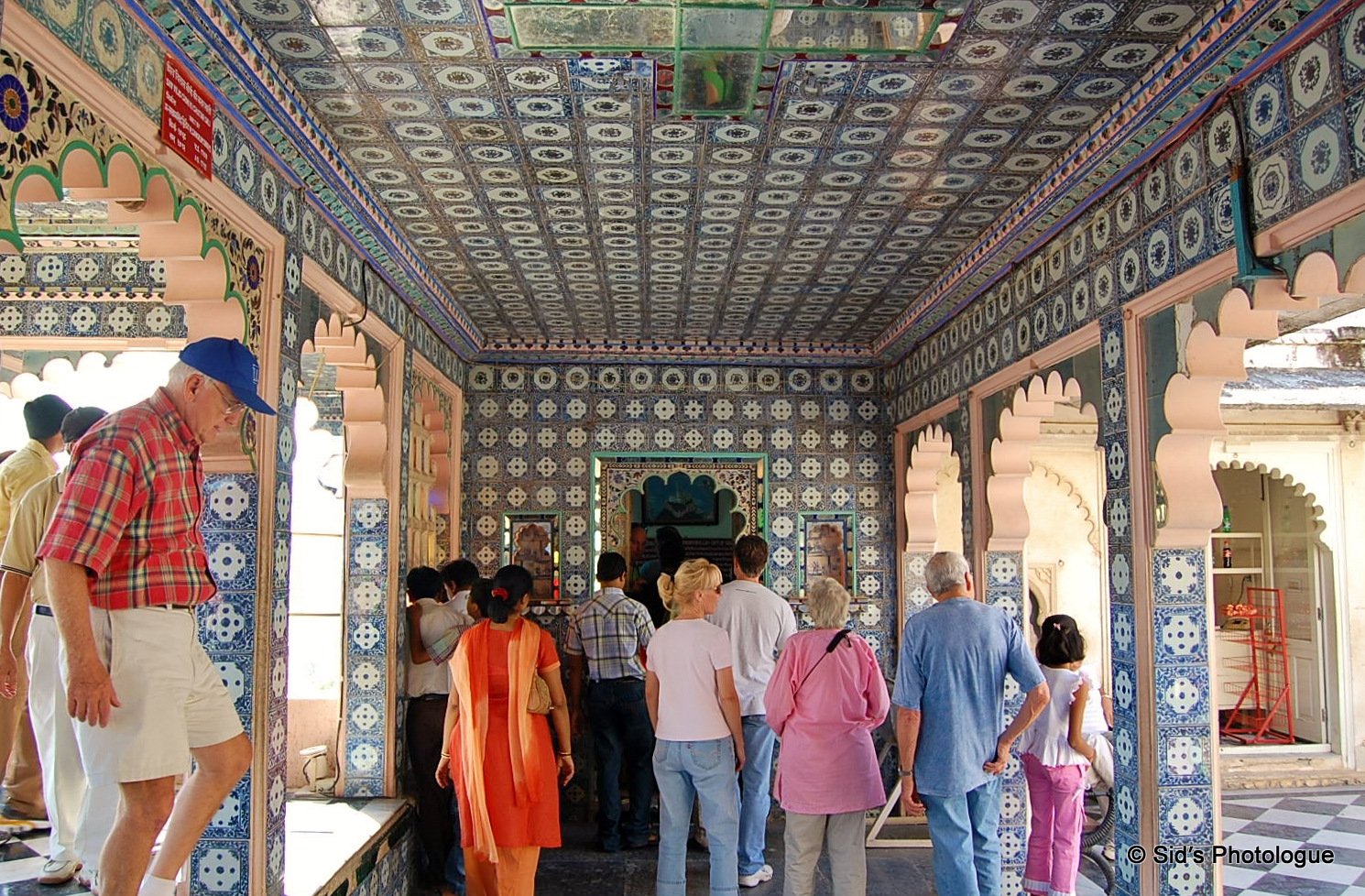
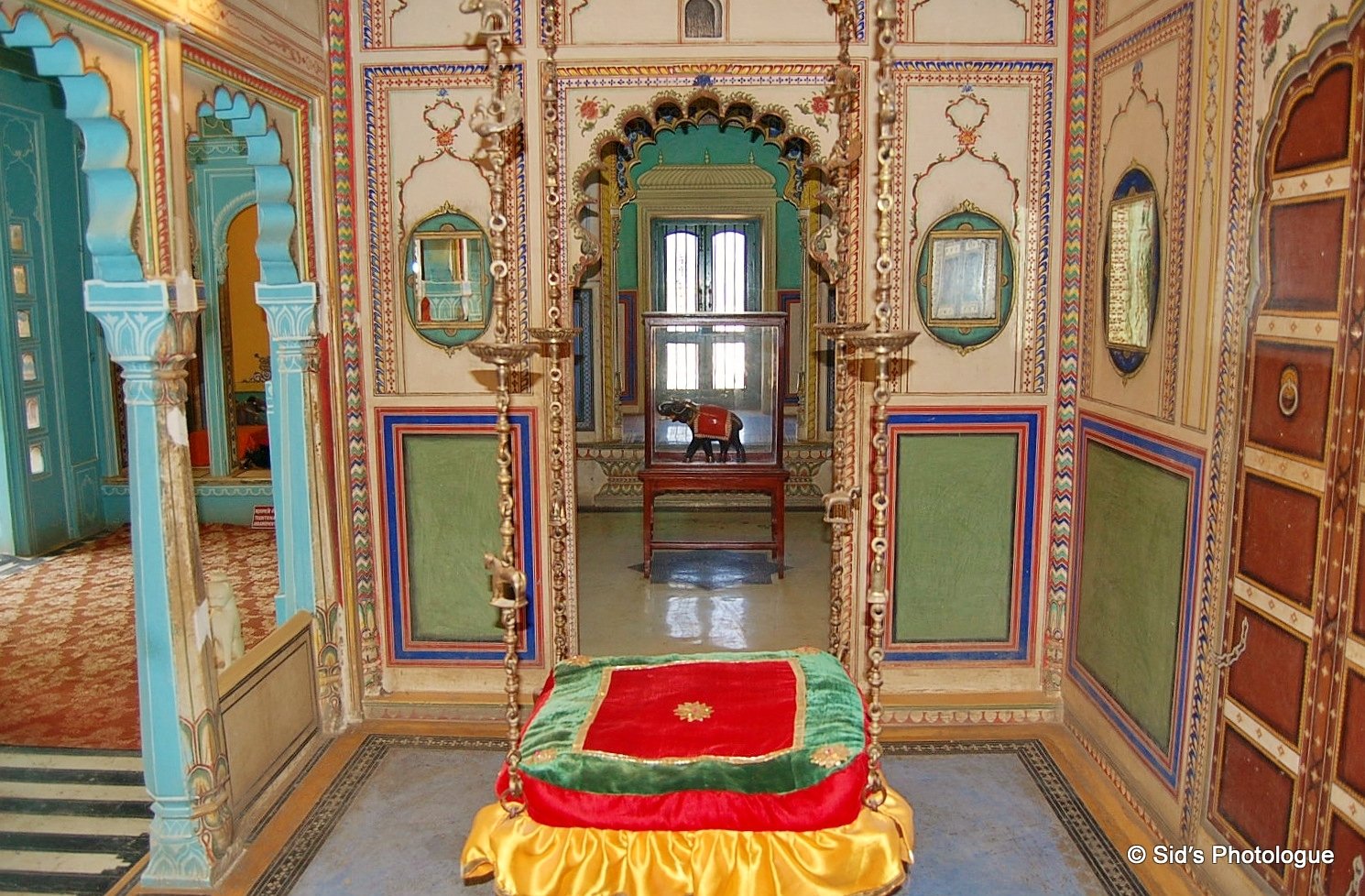
Built in 18th century by Maharana Sangram Singh, the main pool of ‘Sahelion ki Bari’ is called the ‘Kamal Taal’ – the lotus pond. The fountains work on natural pressure of water from the adjoining lakes & create sound of natural rains.
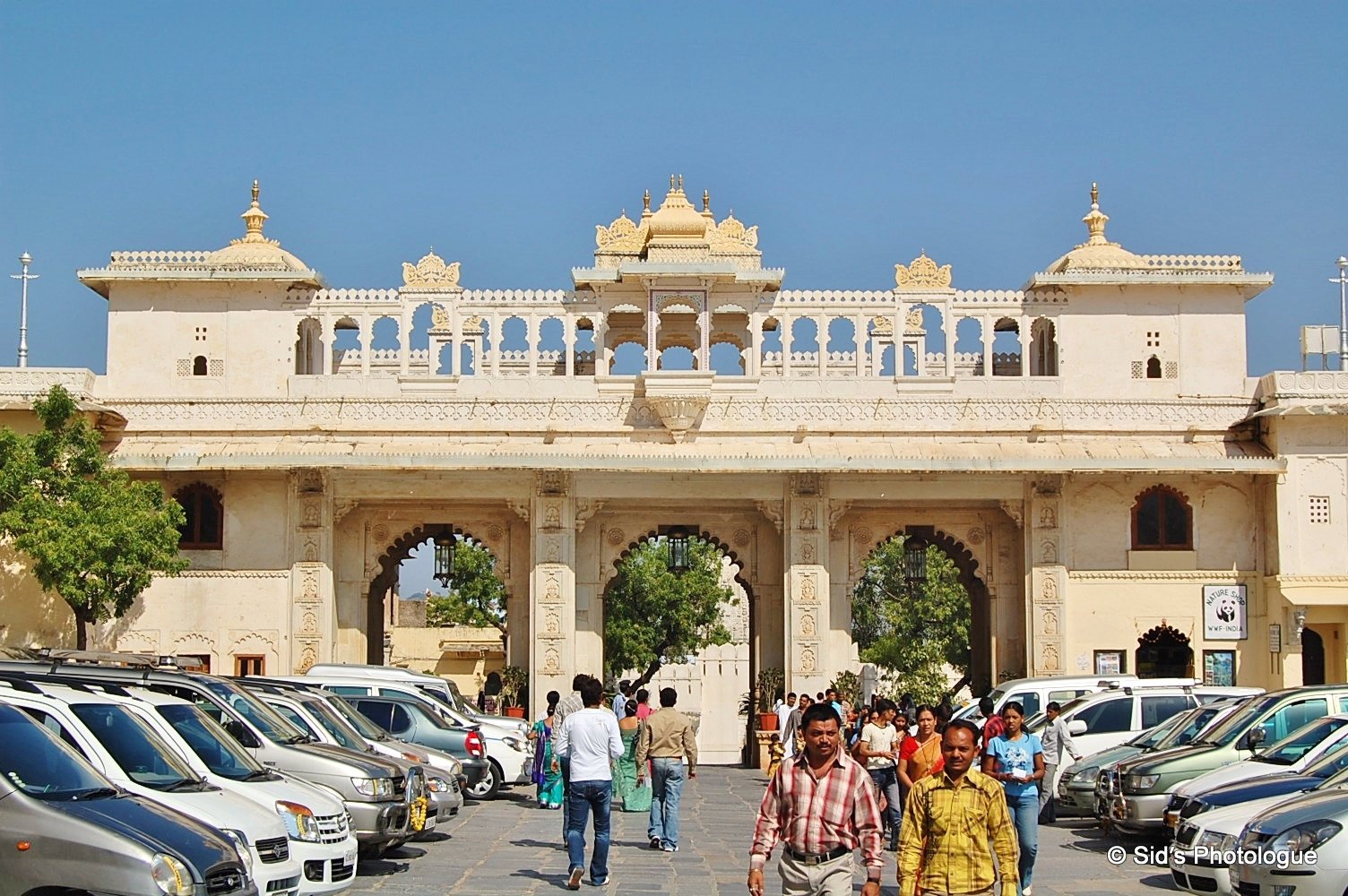
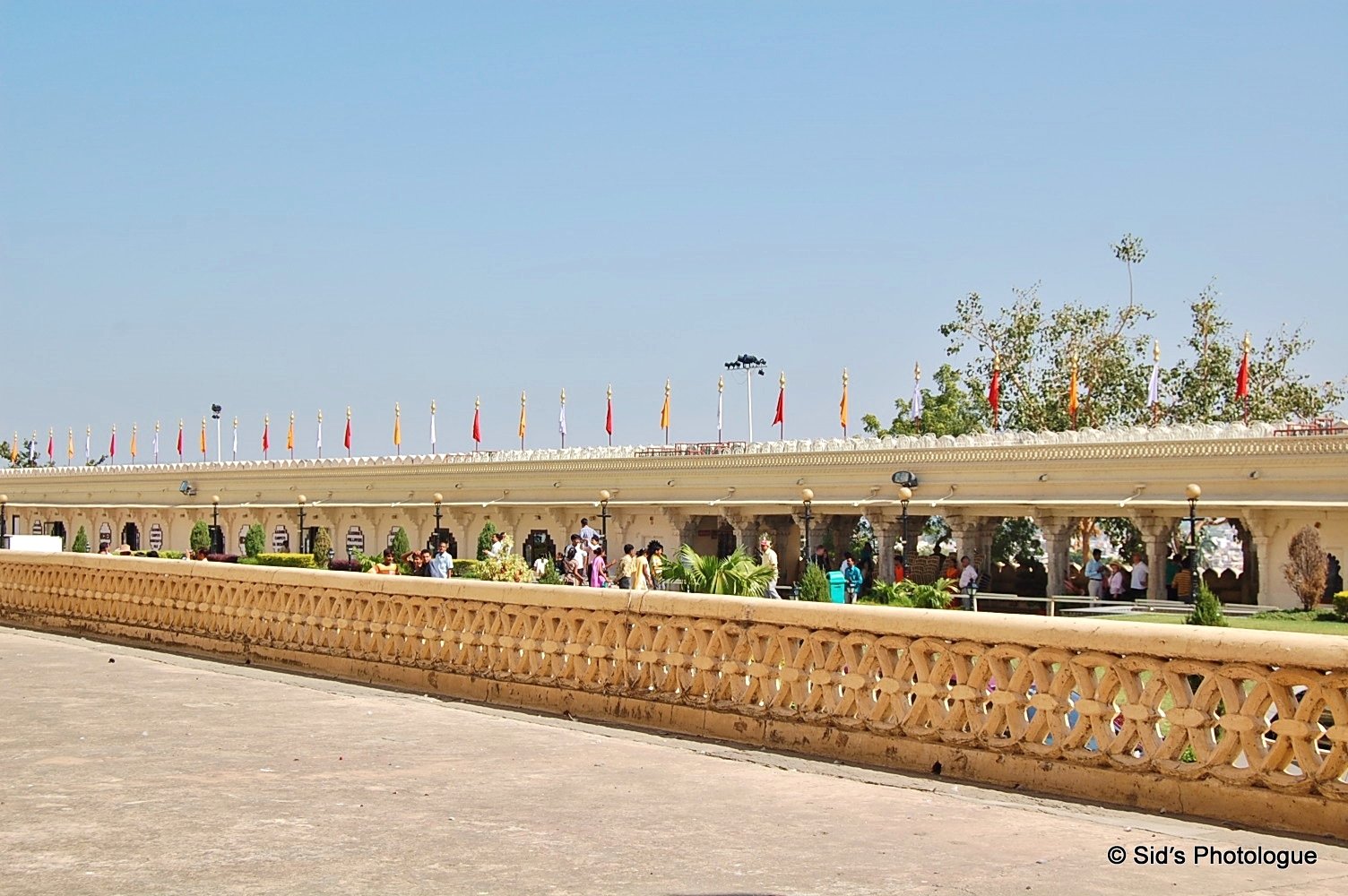
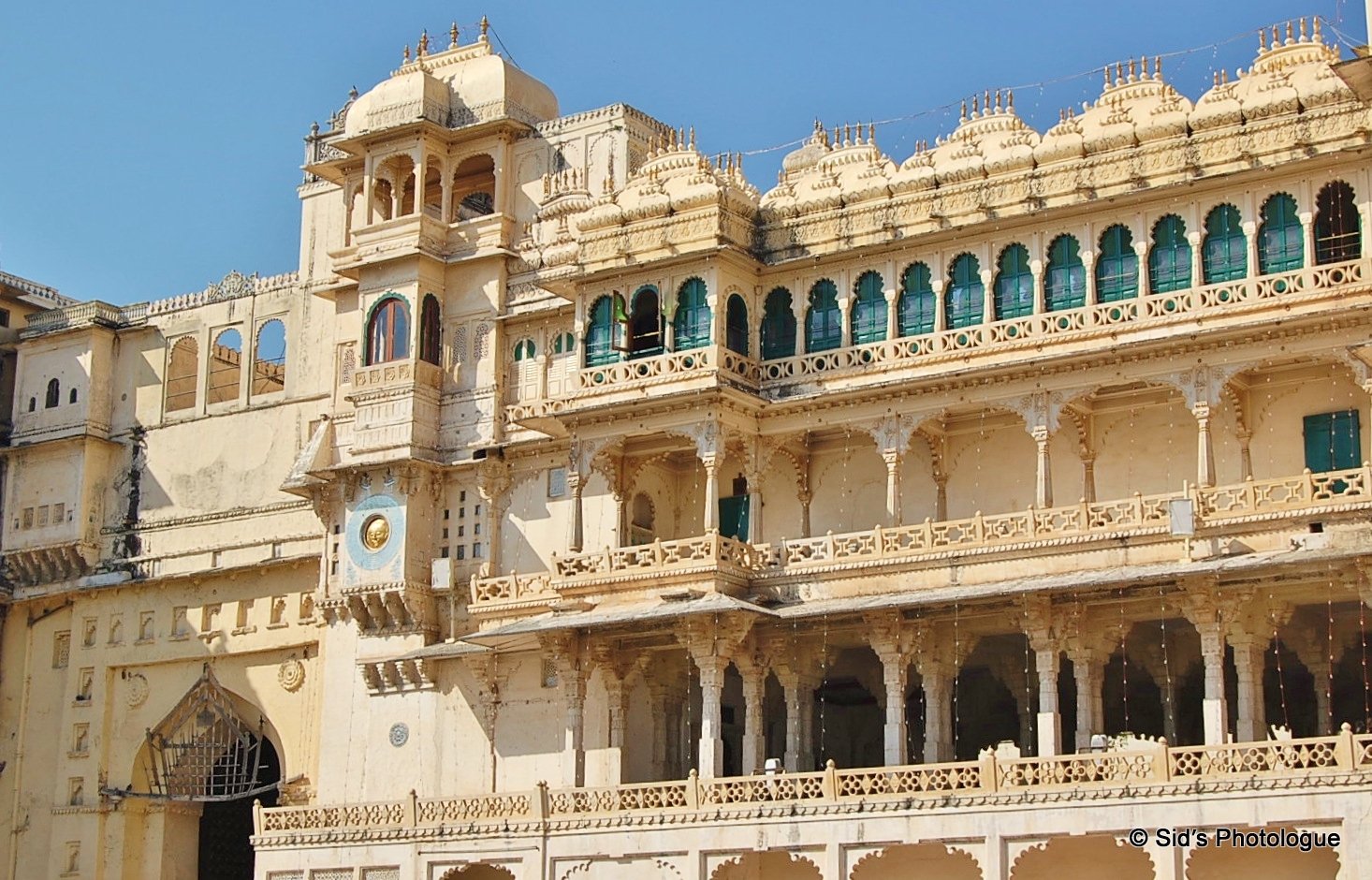
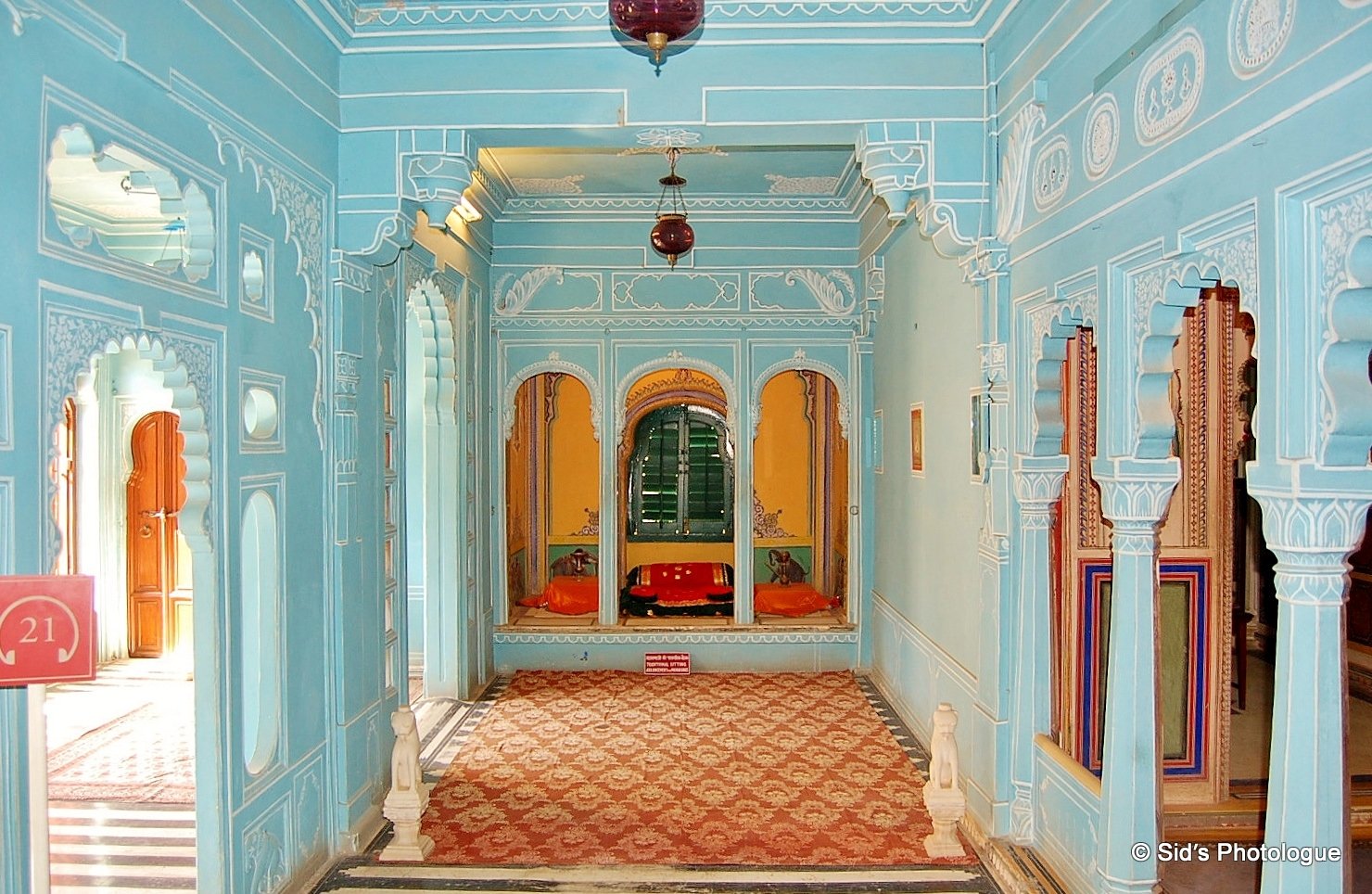
“Sahelion ki Bari” is a major garden and a popular tourist space in the northern part of the city. This was built for the group of forty-eight ‘saheli’ or women attendants who accompanied the princess to Udaipur as part of her dowry.
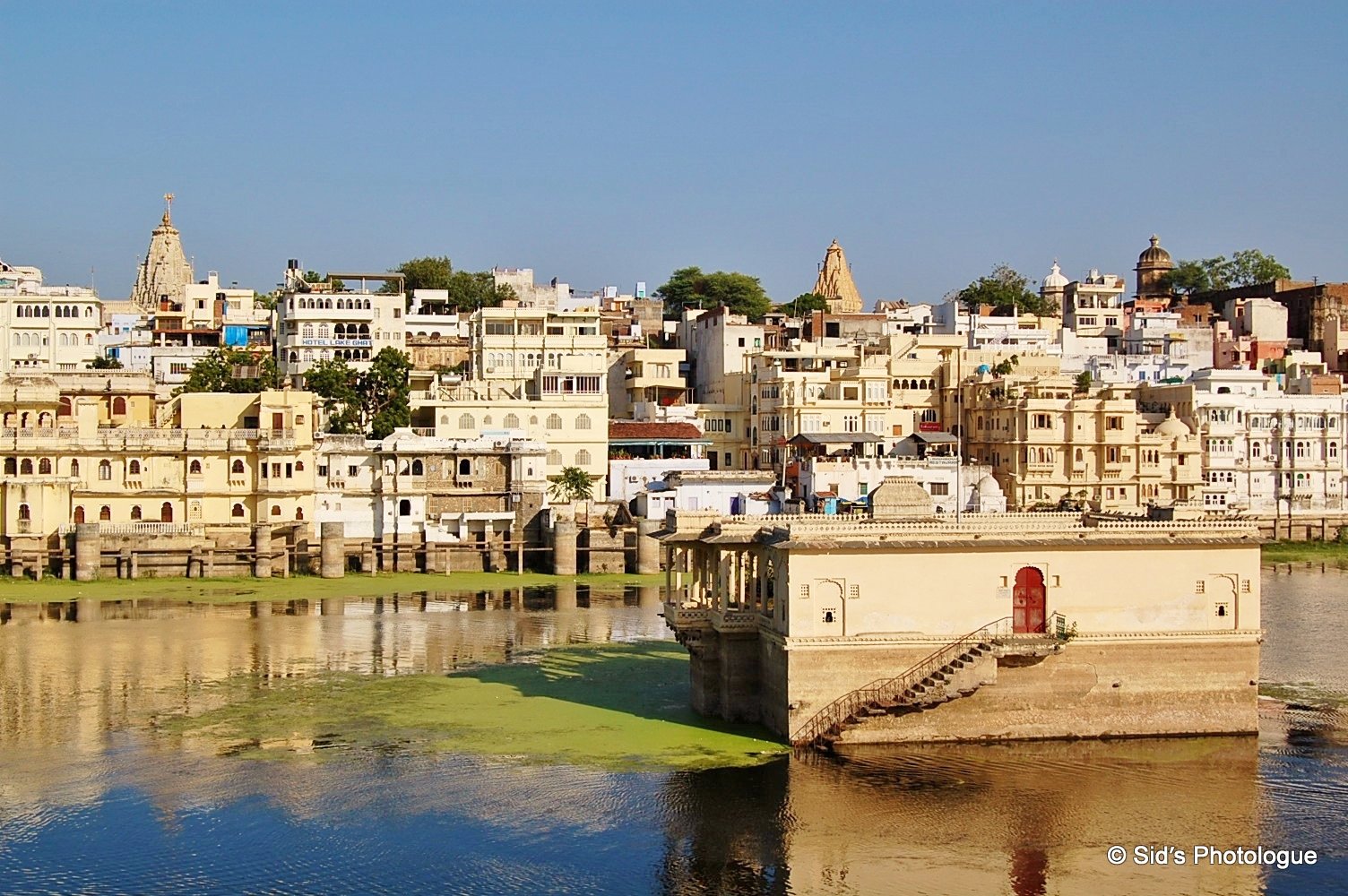
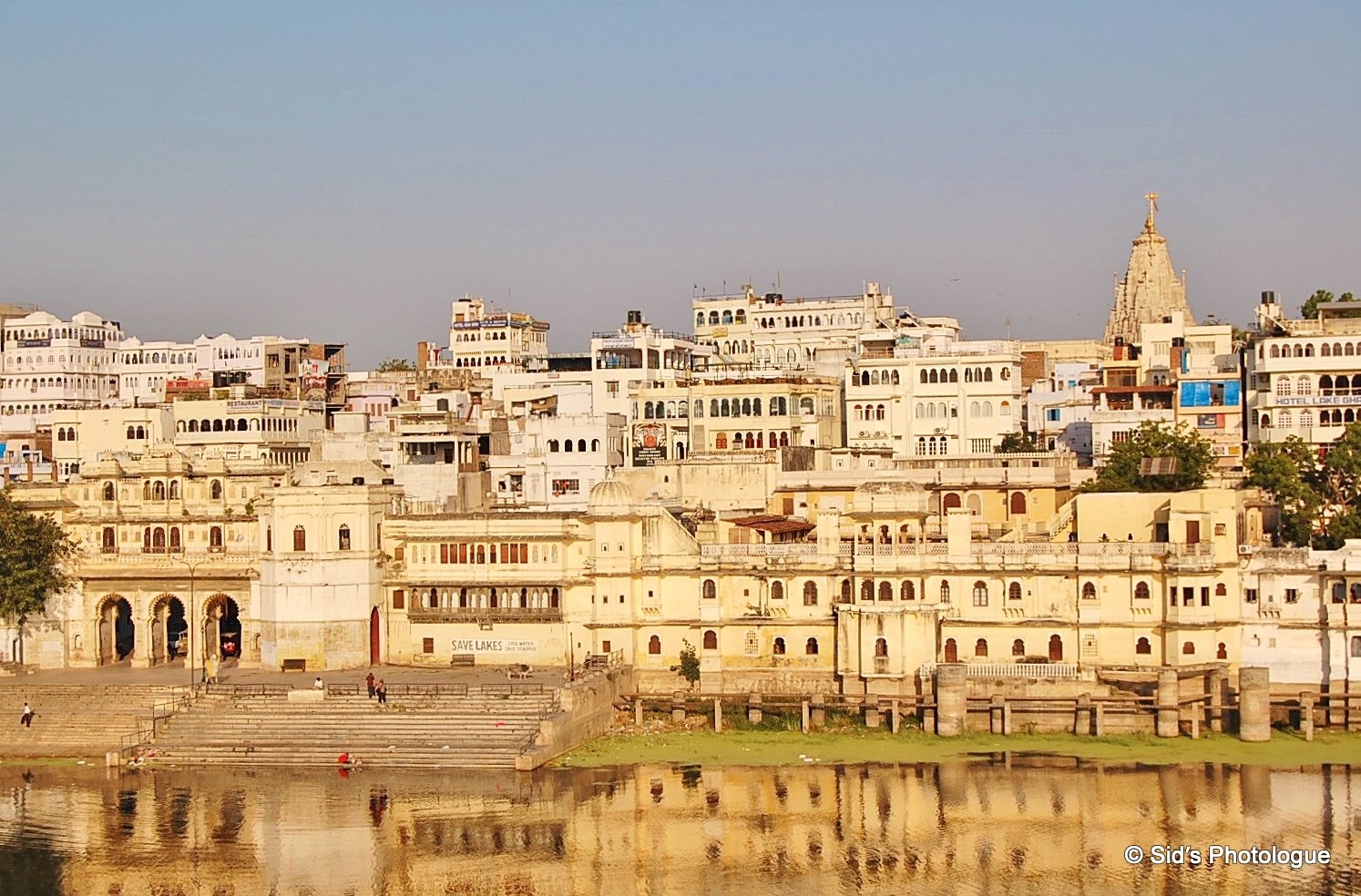
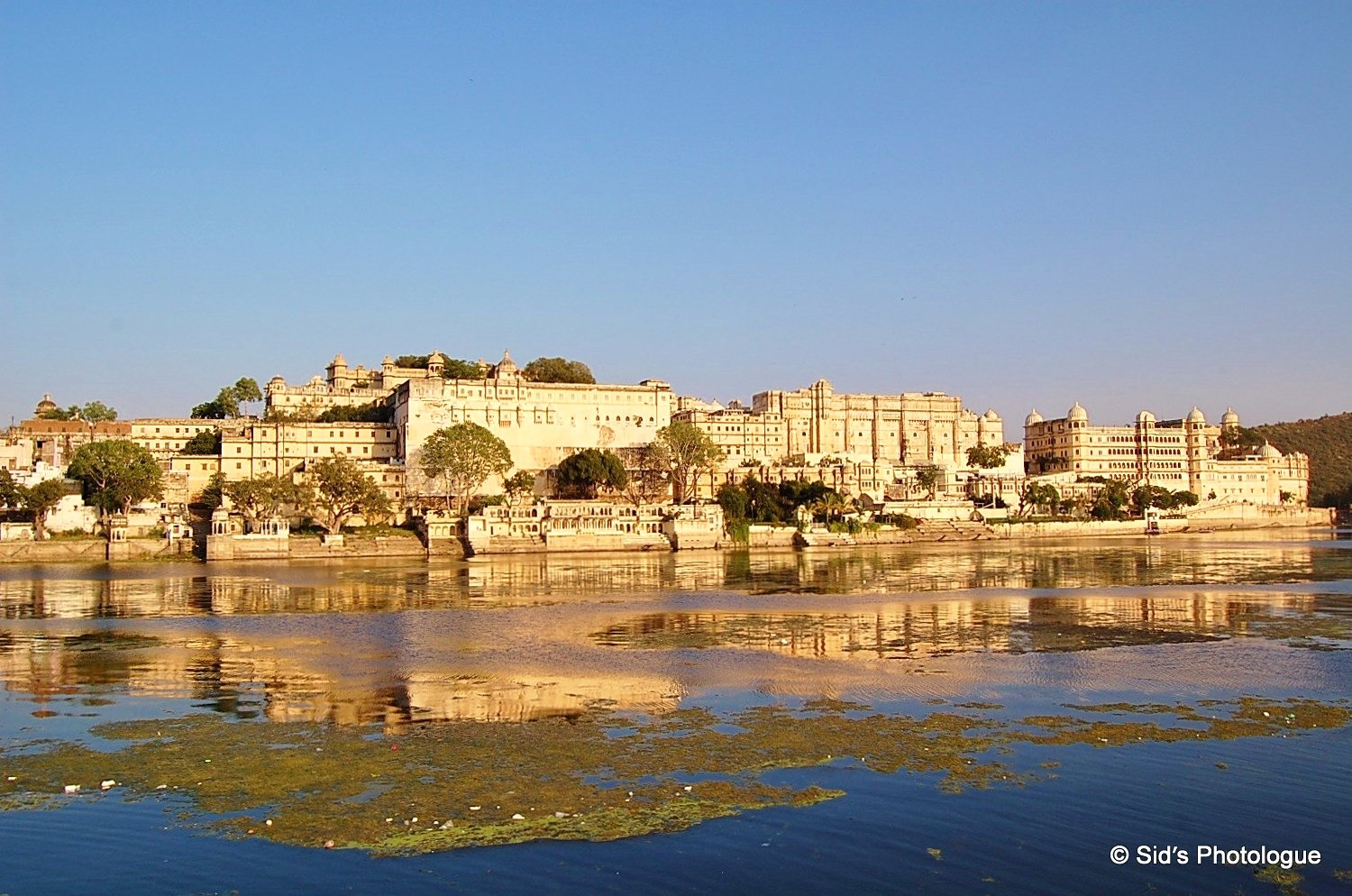
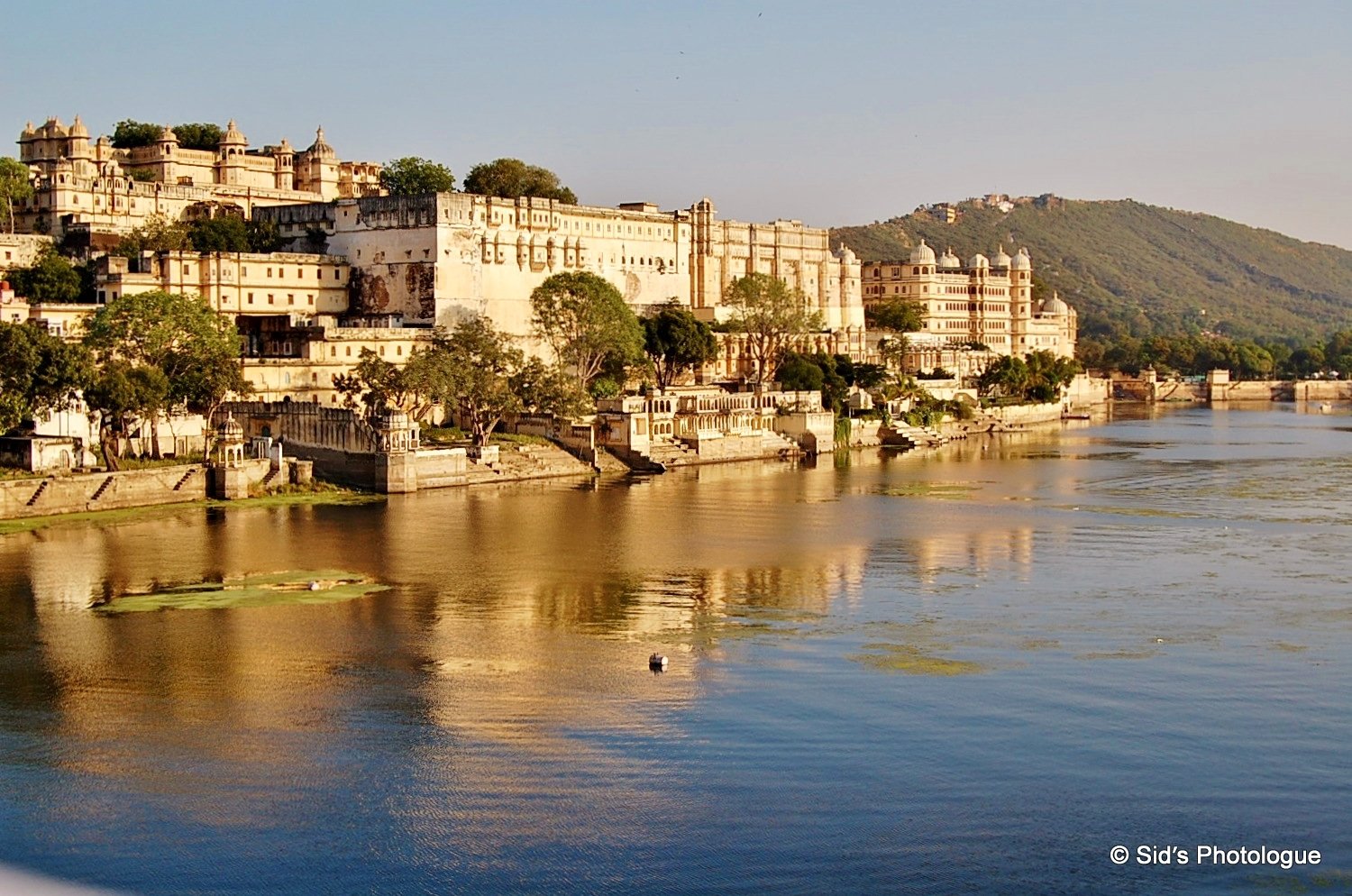
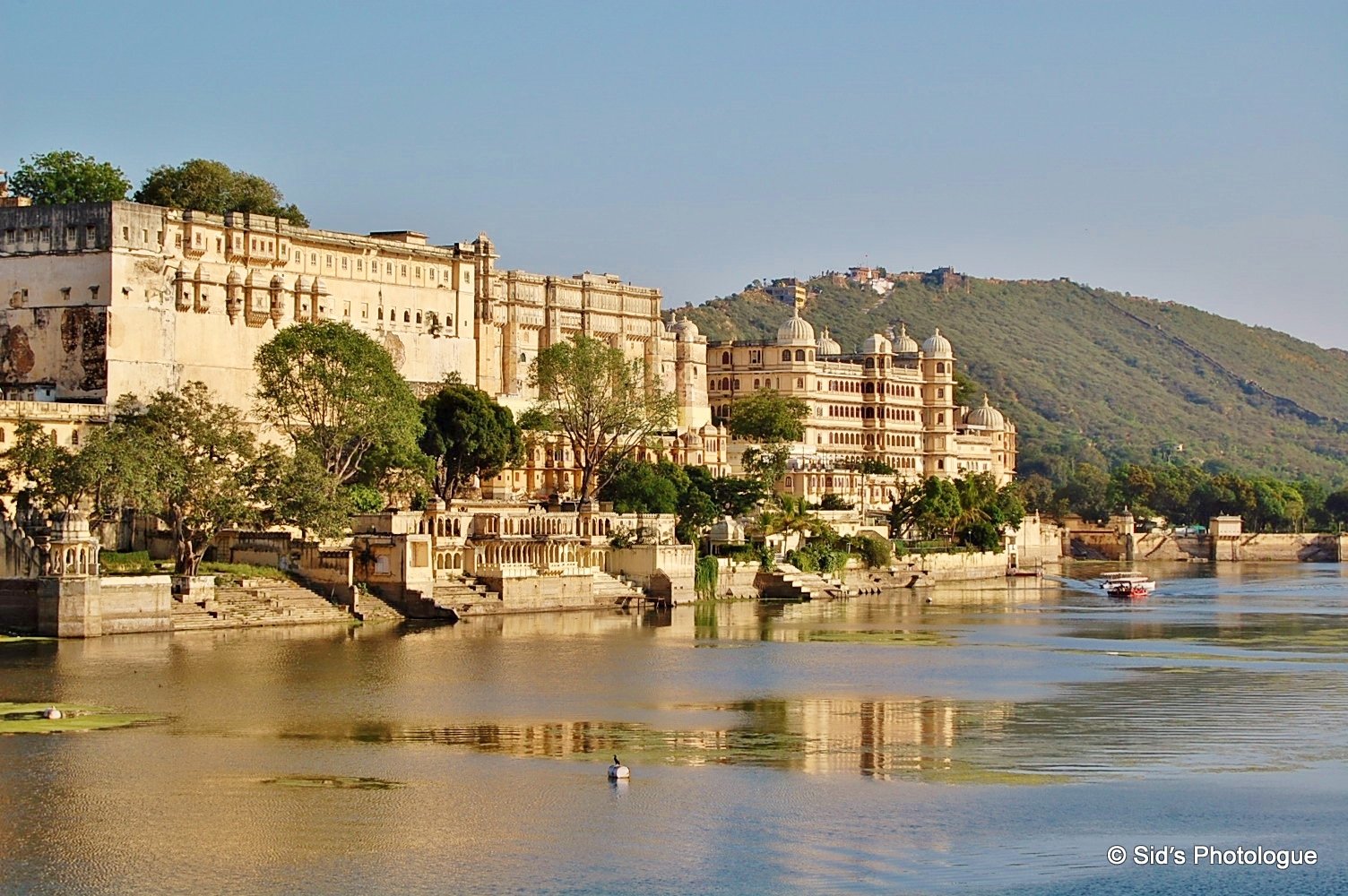
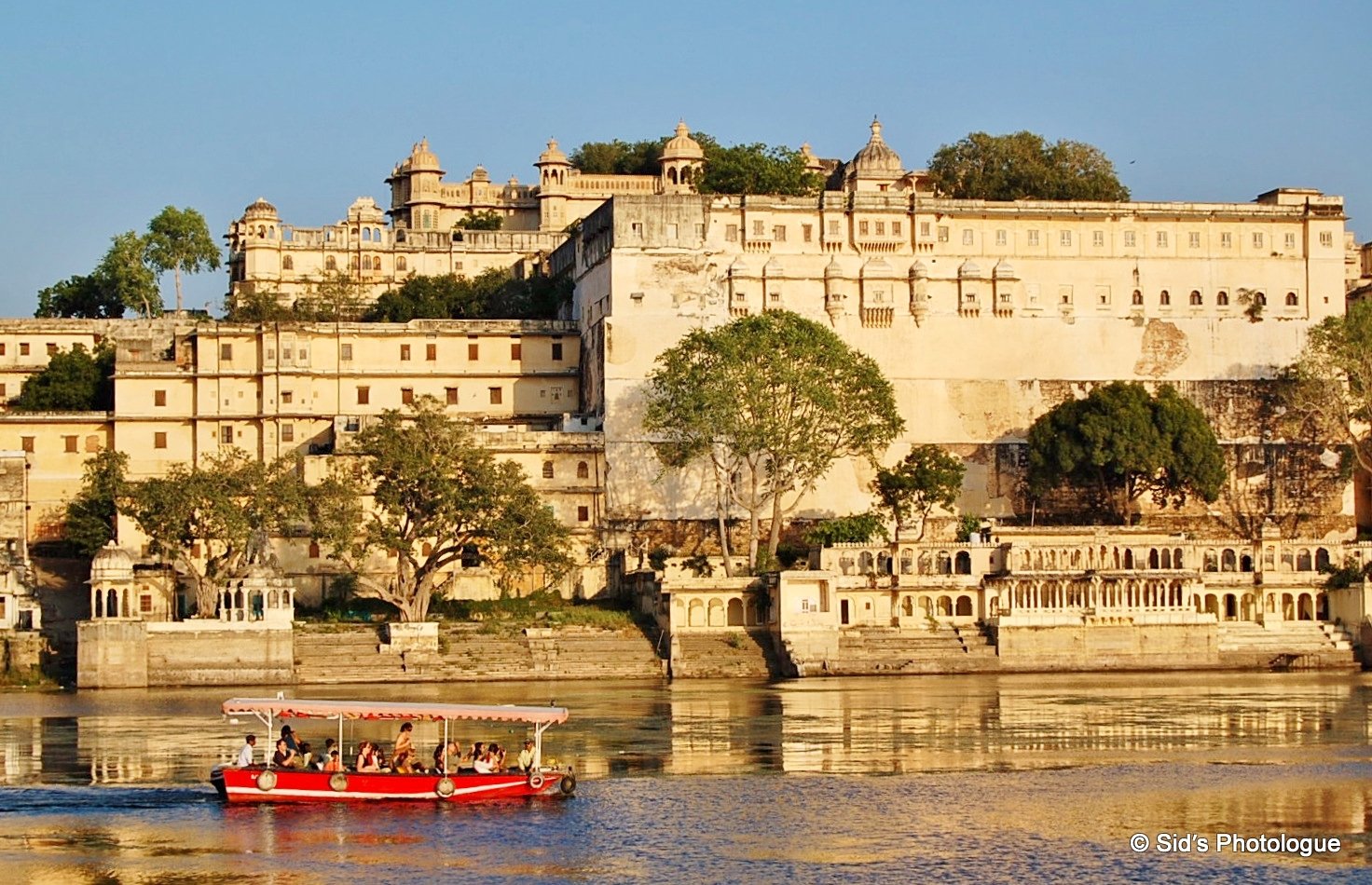
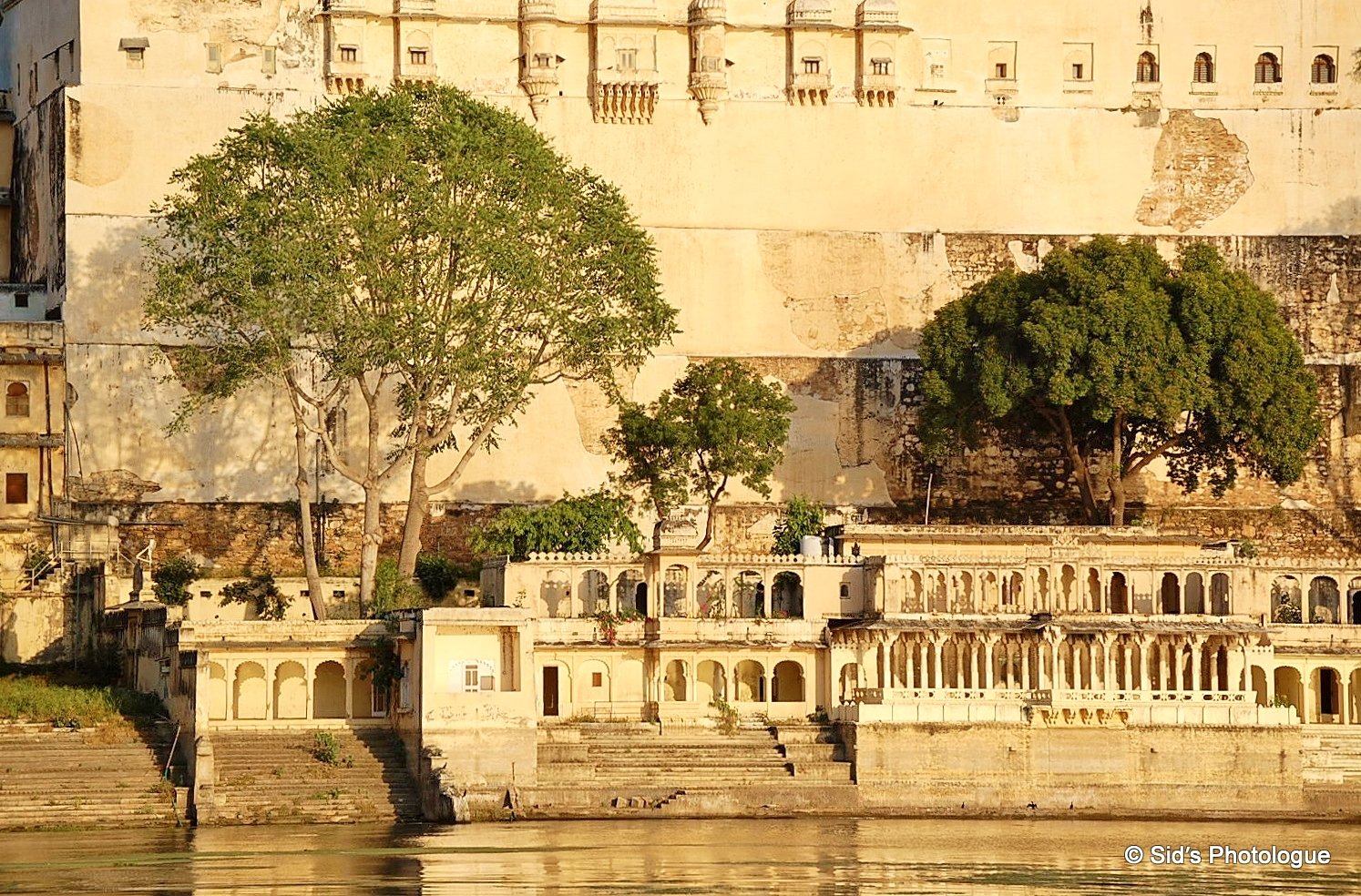
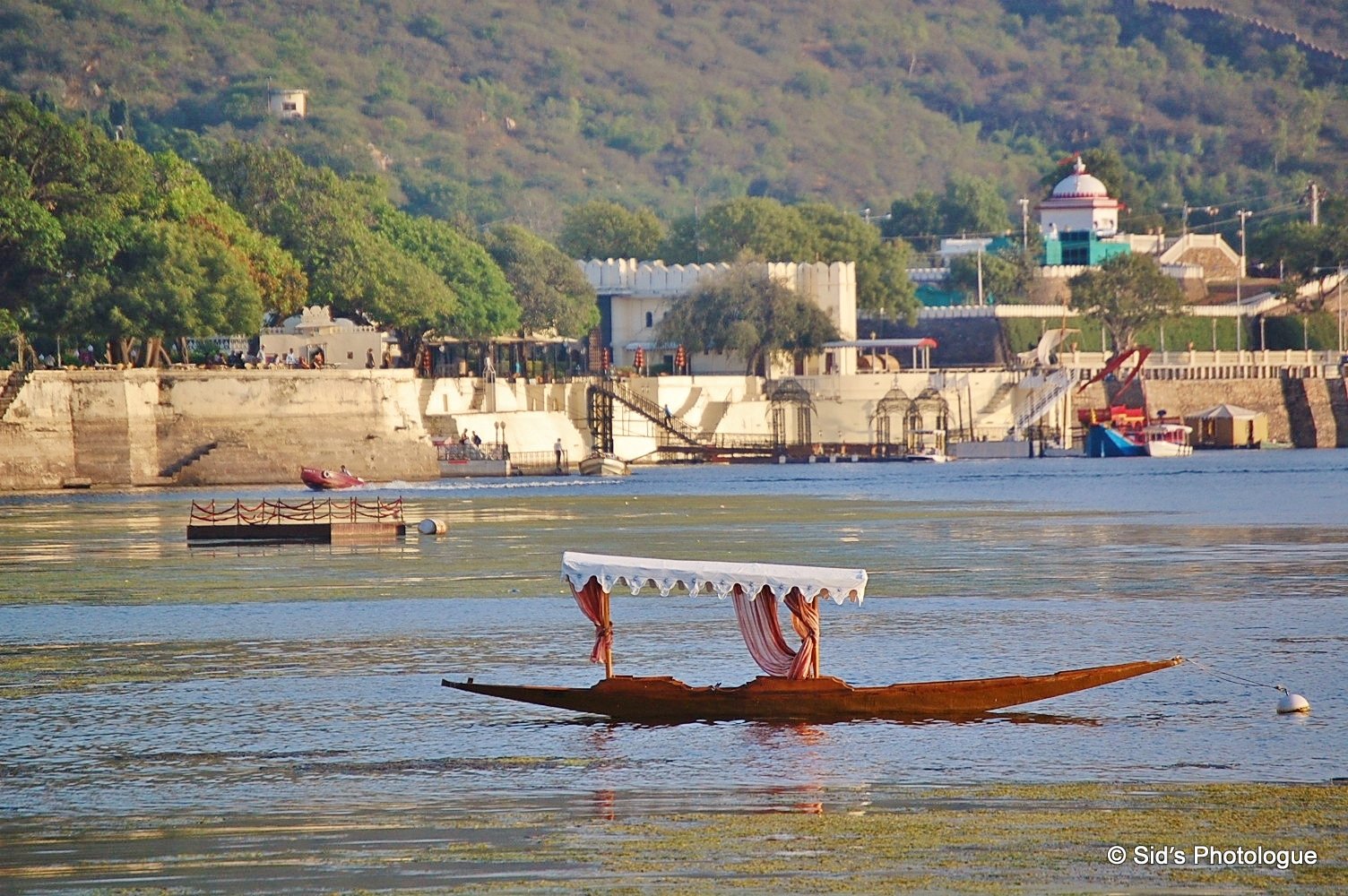
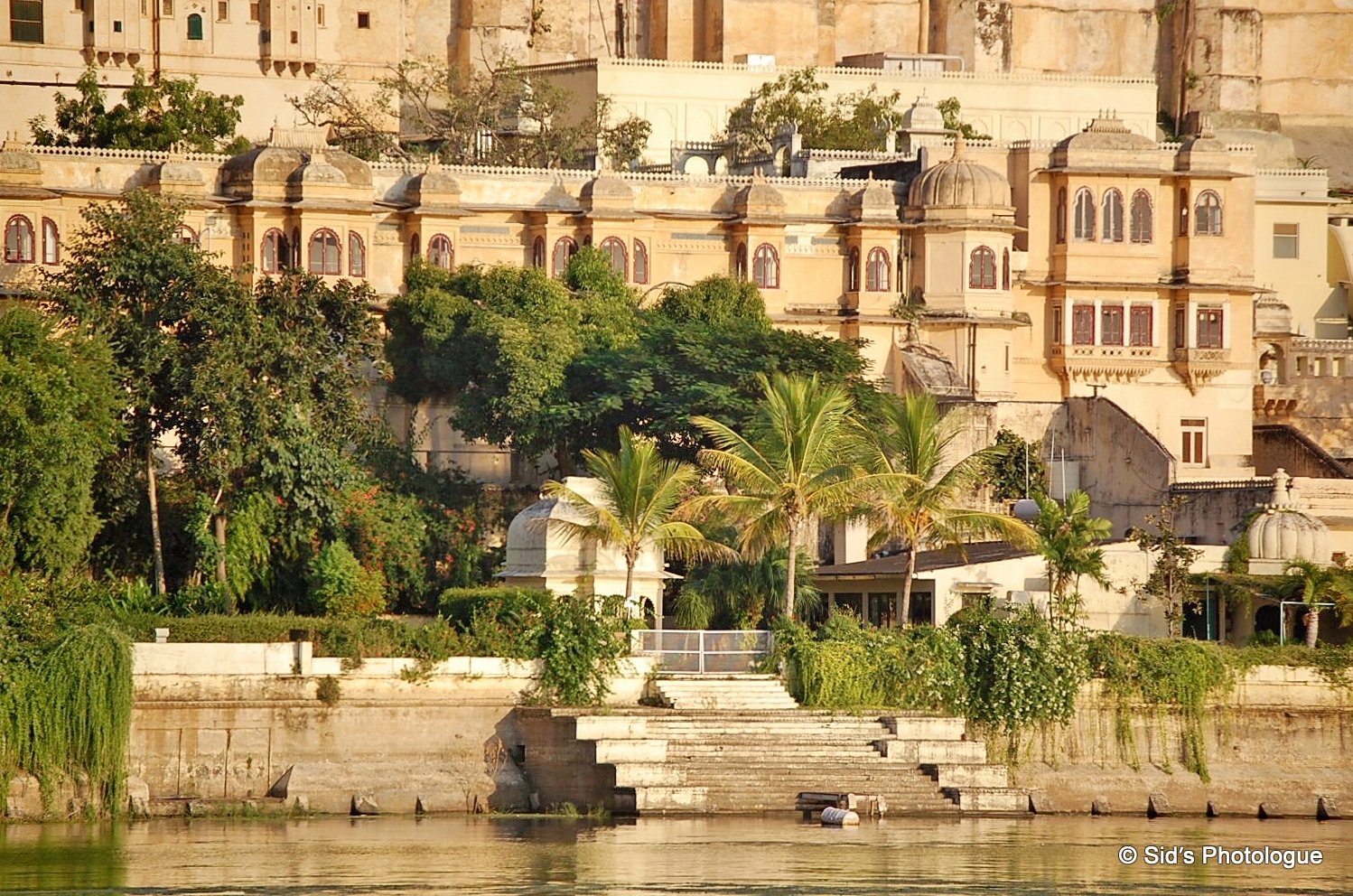
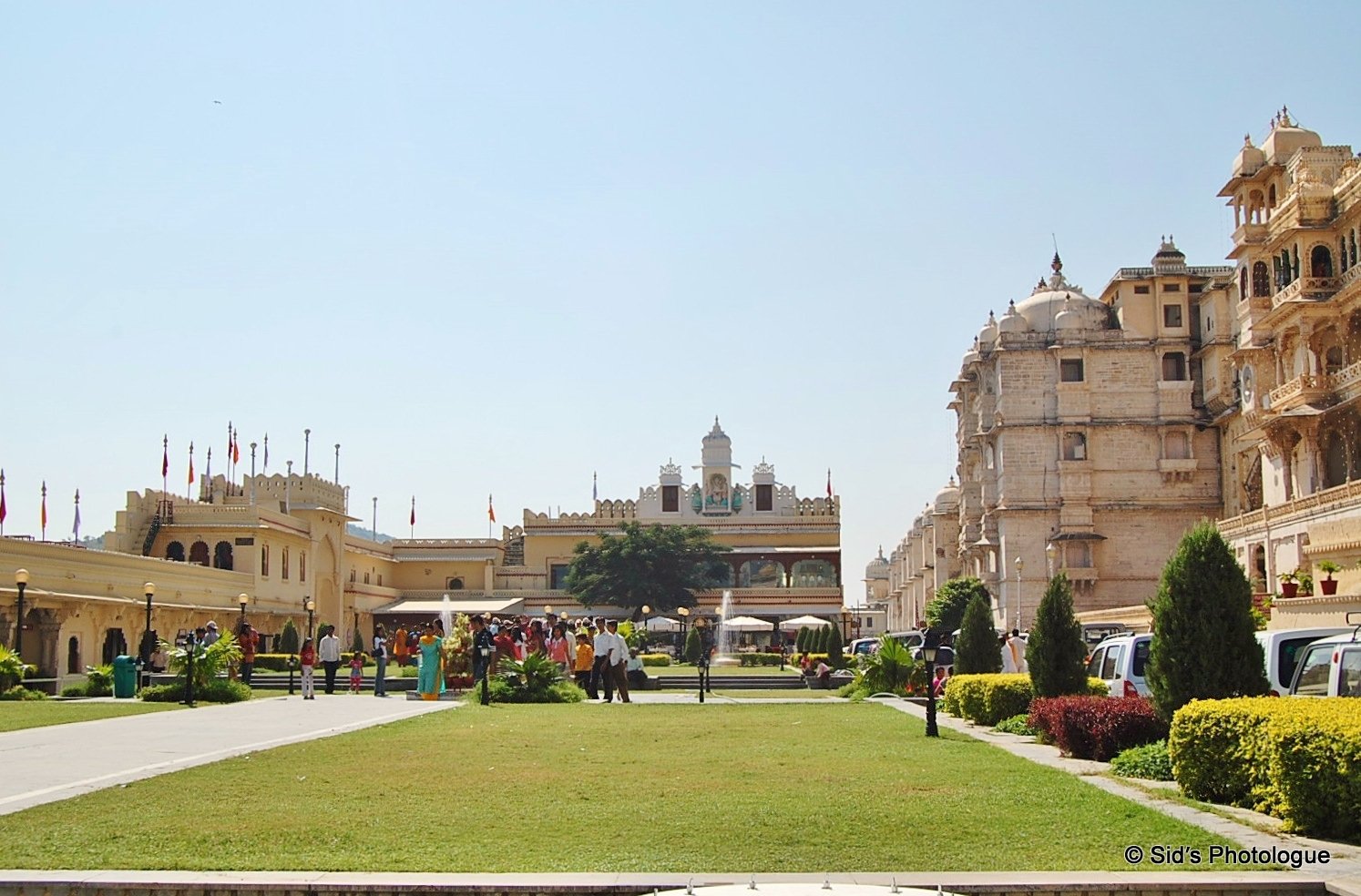
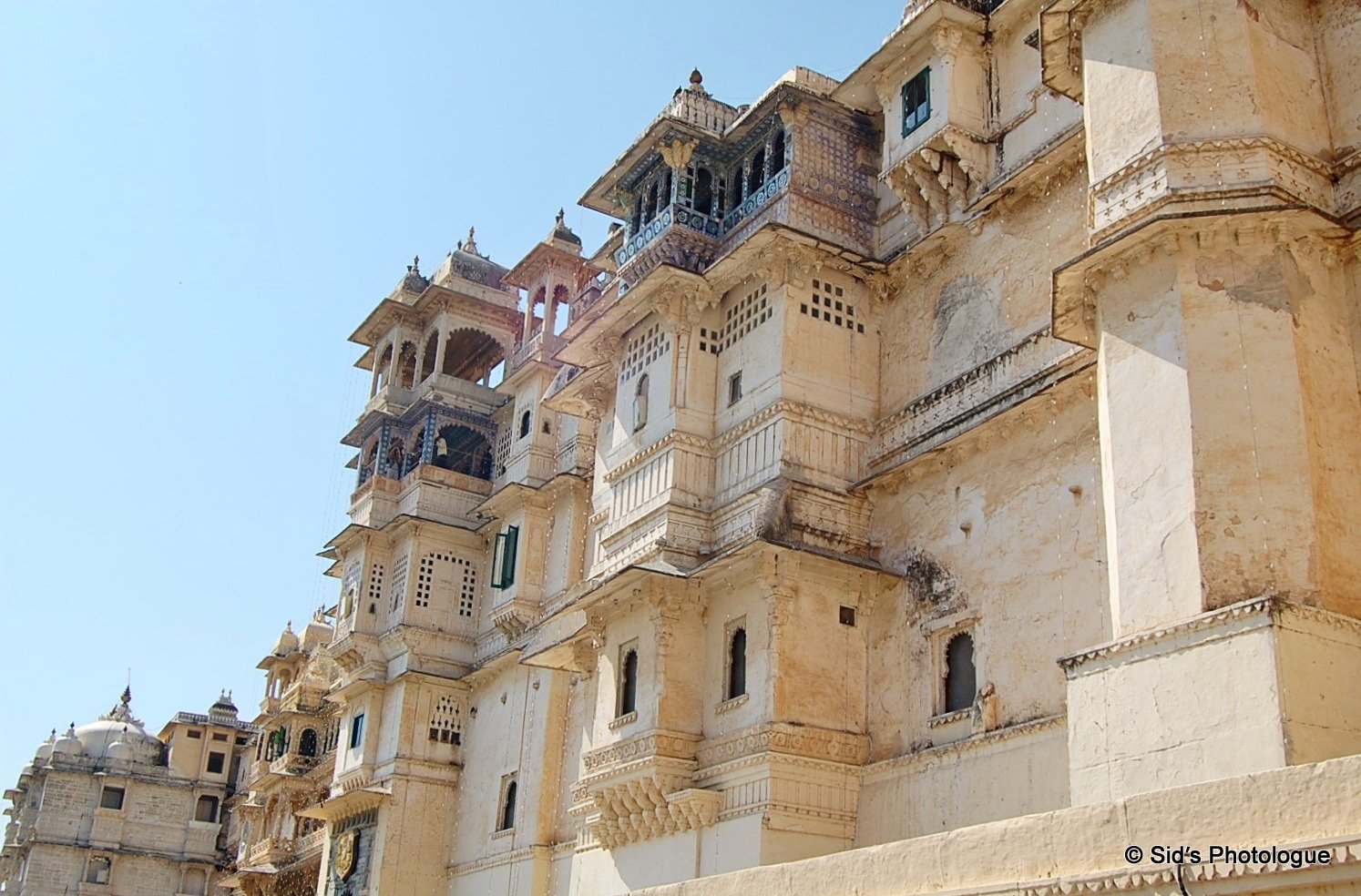
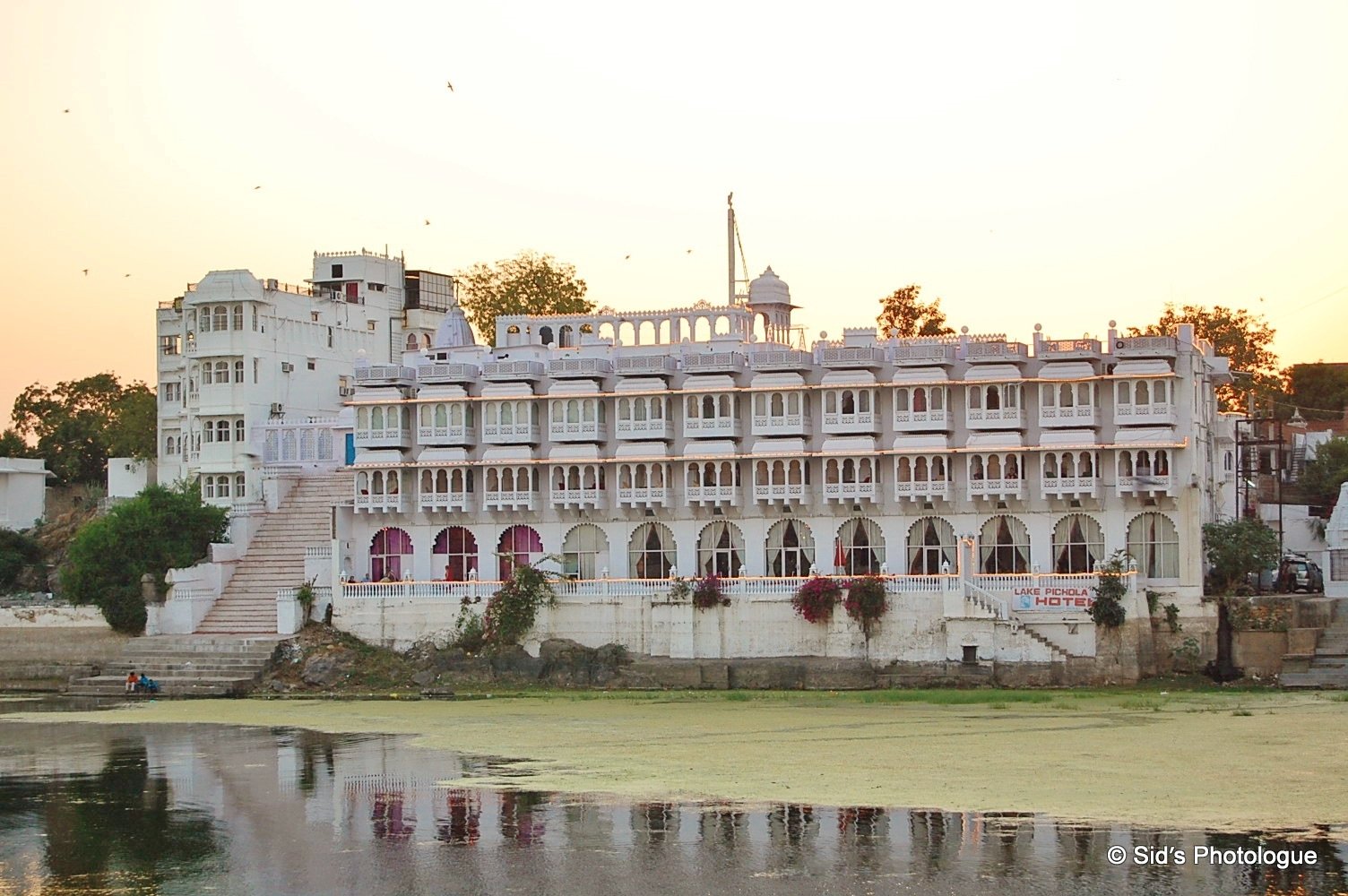
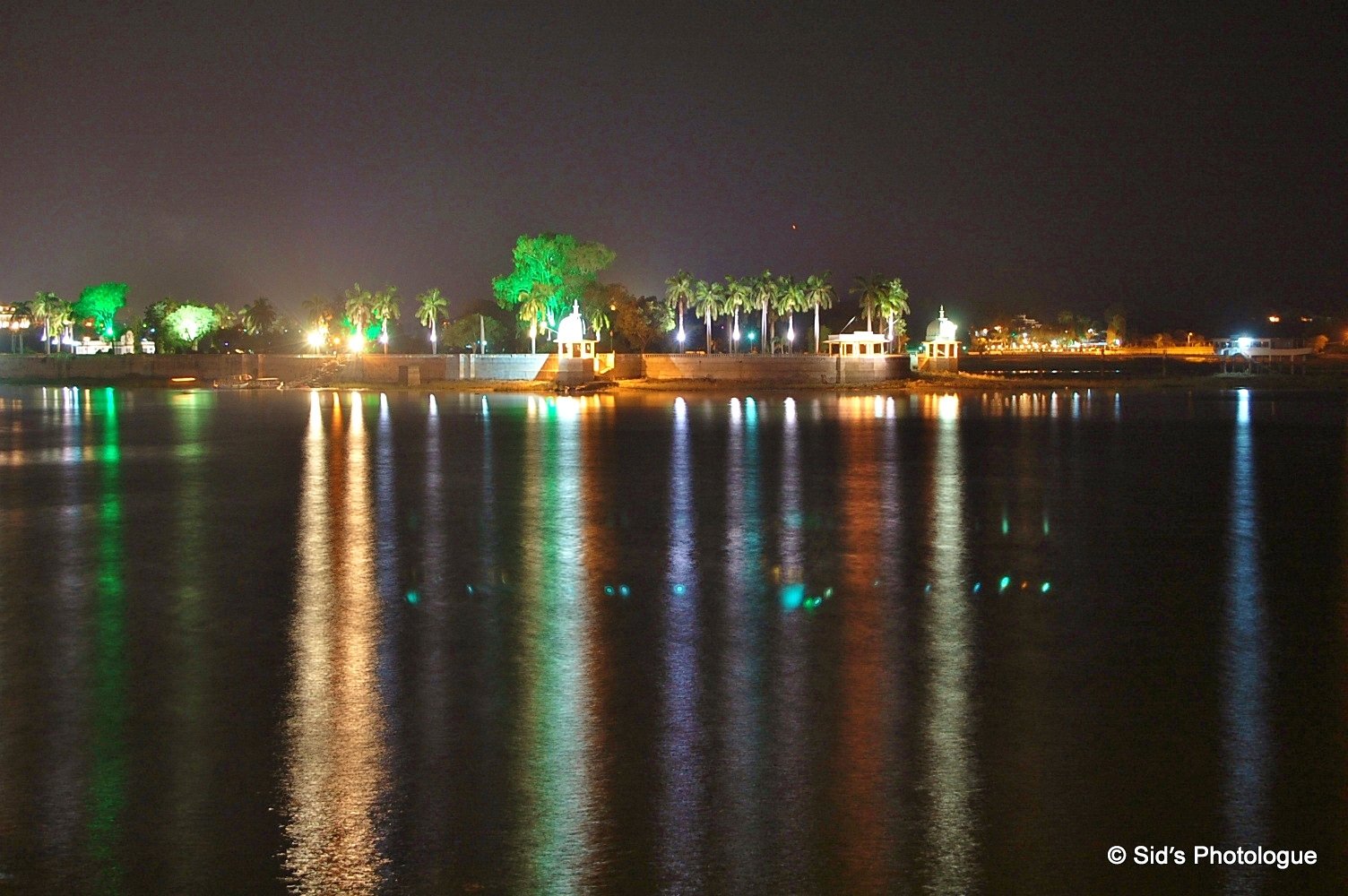
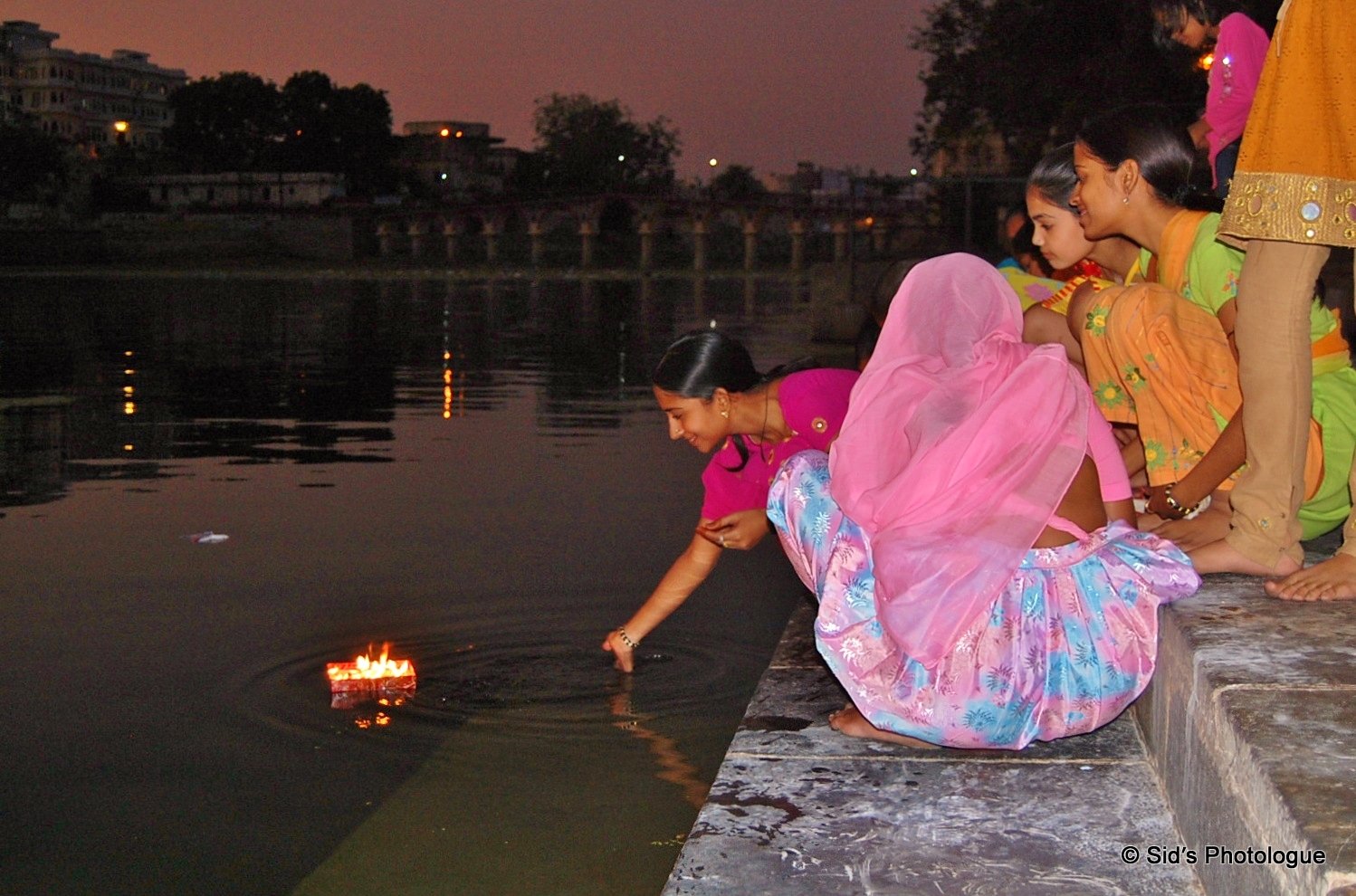
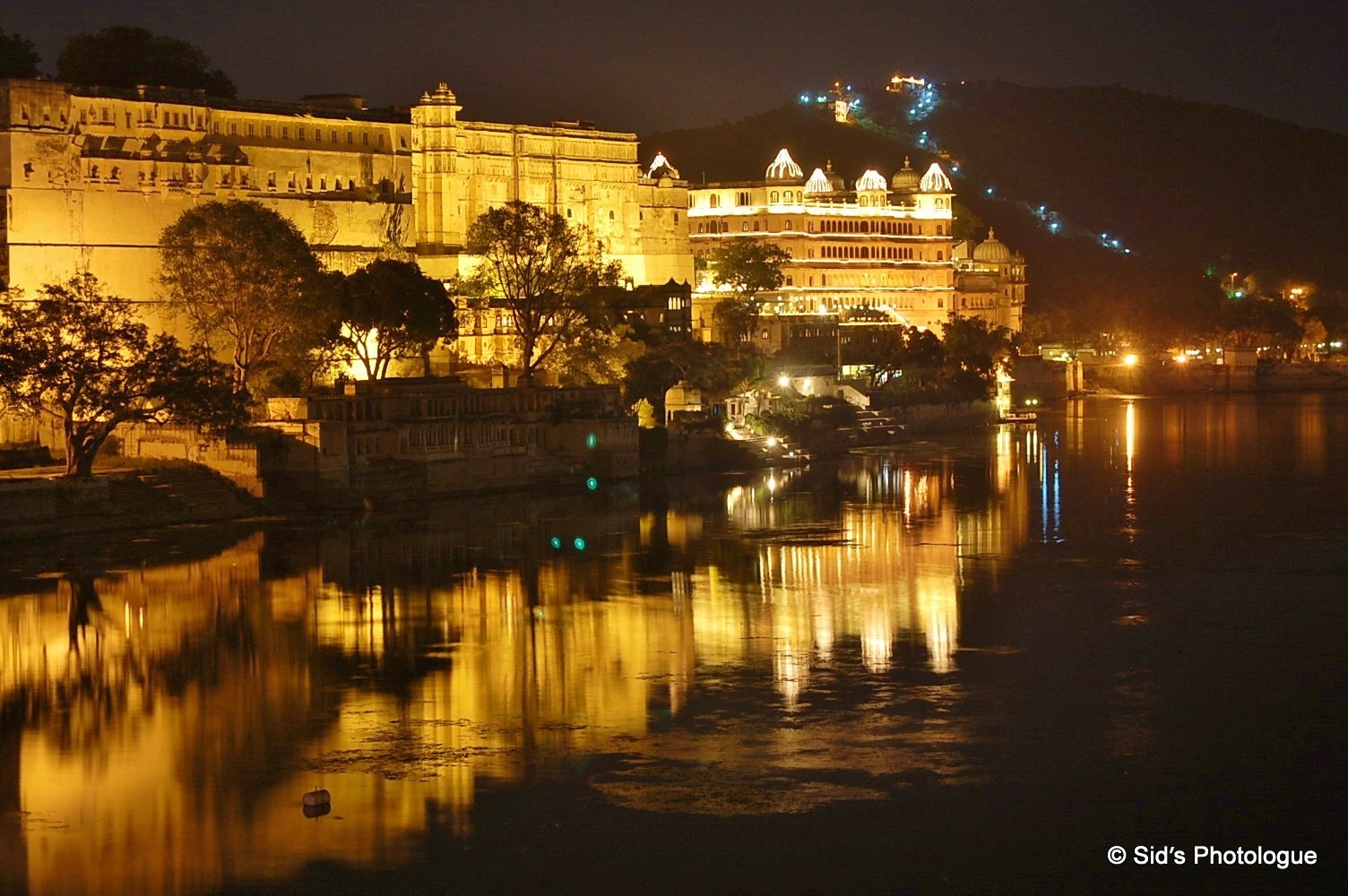
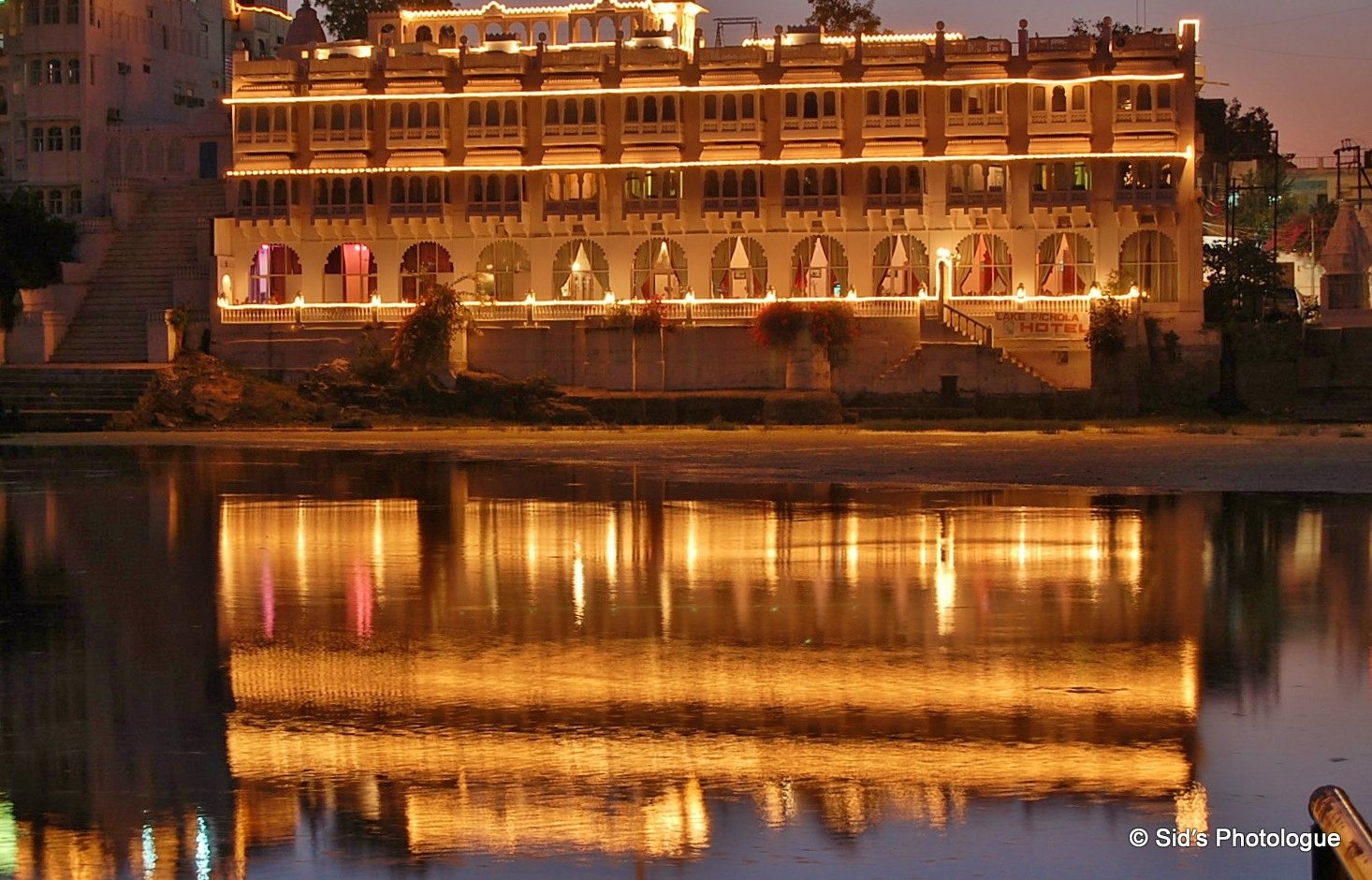
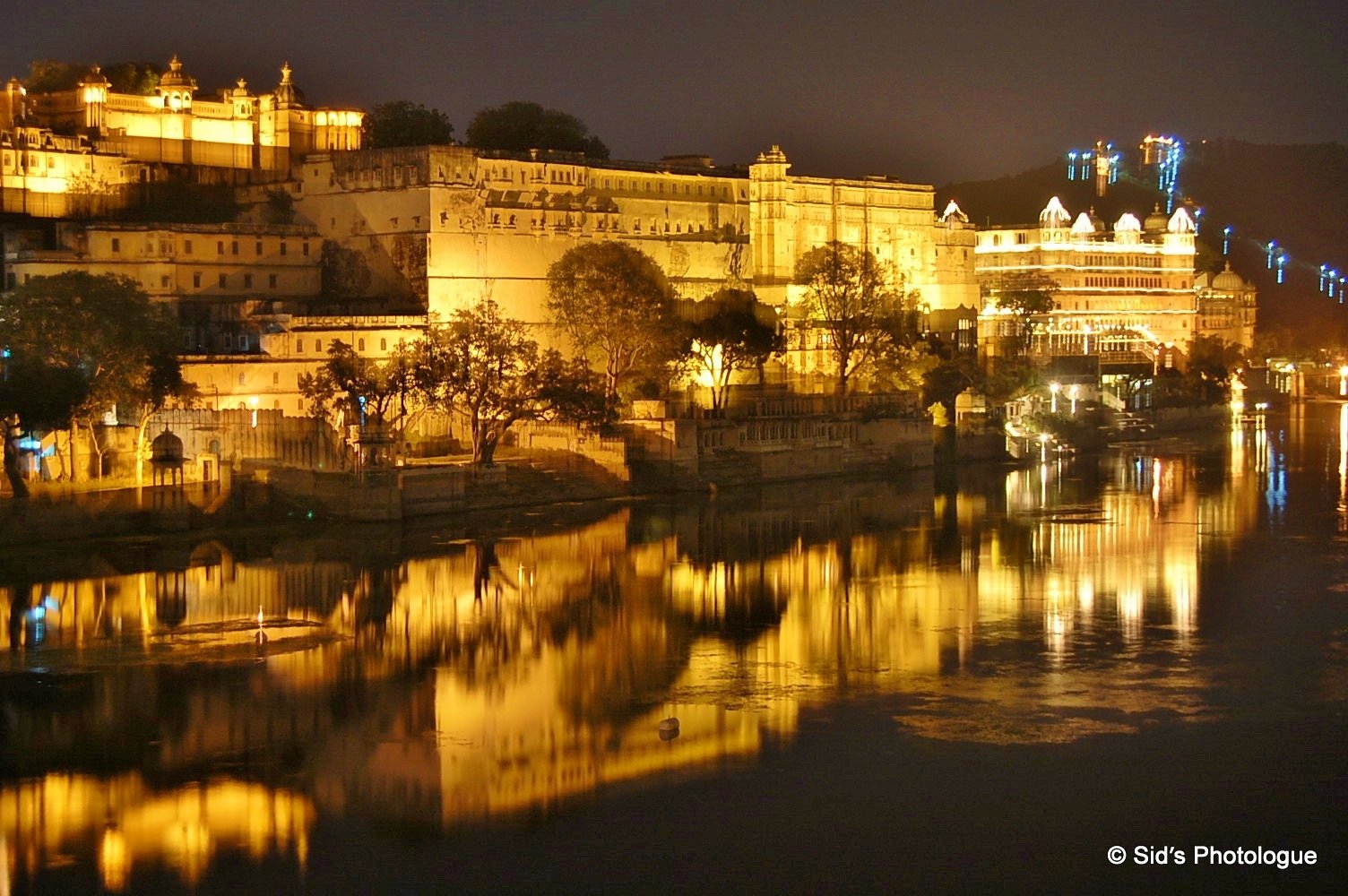
…to the religious ‘ghats’ of Lake Pichola….
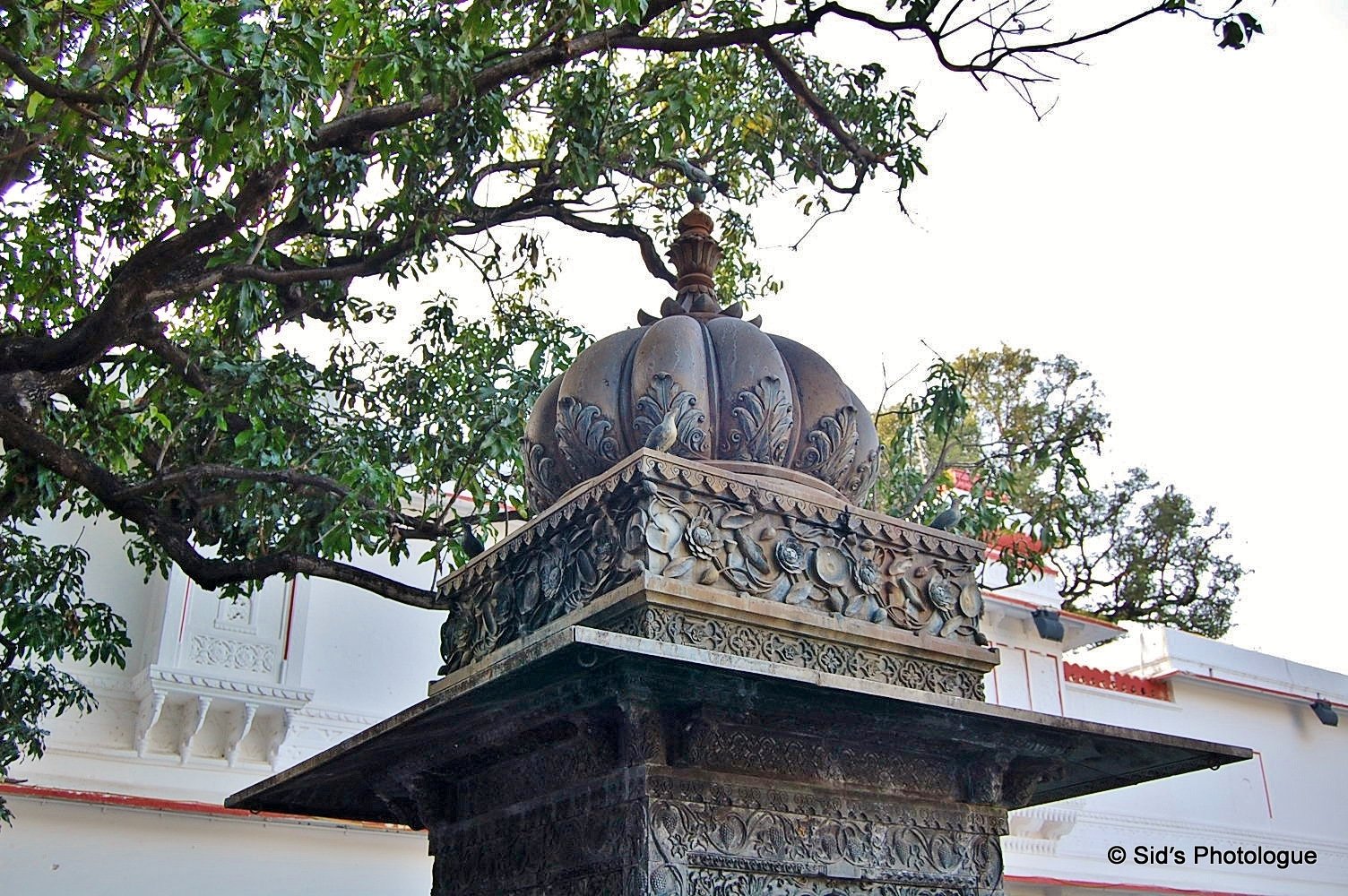
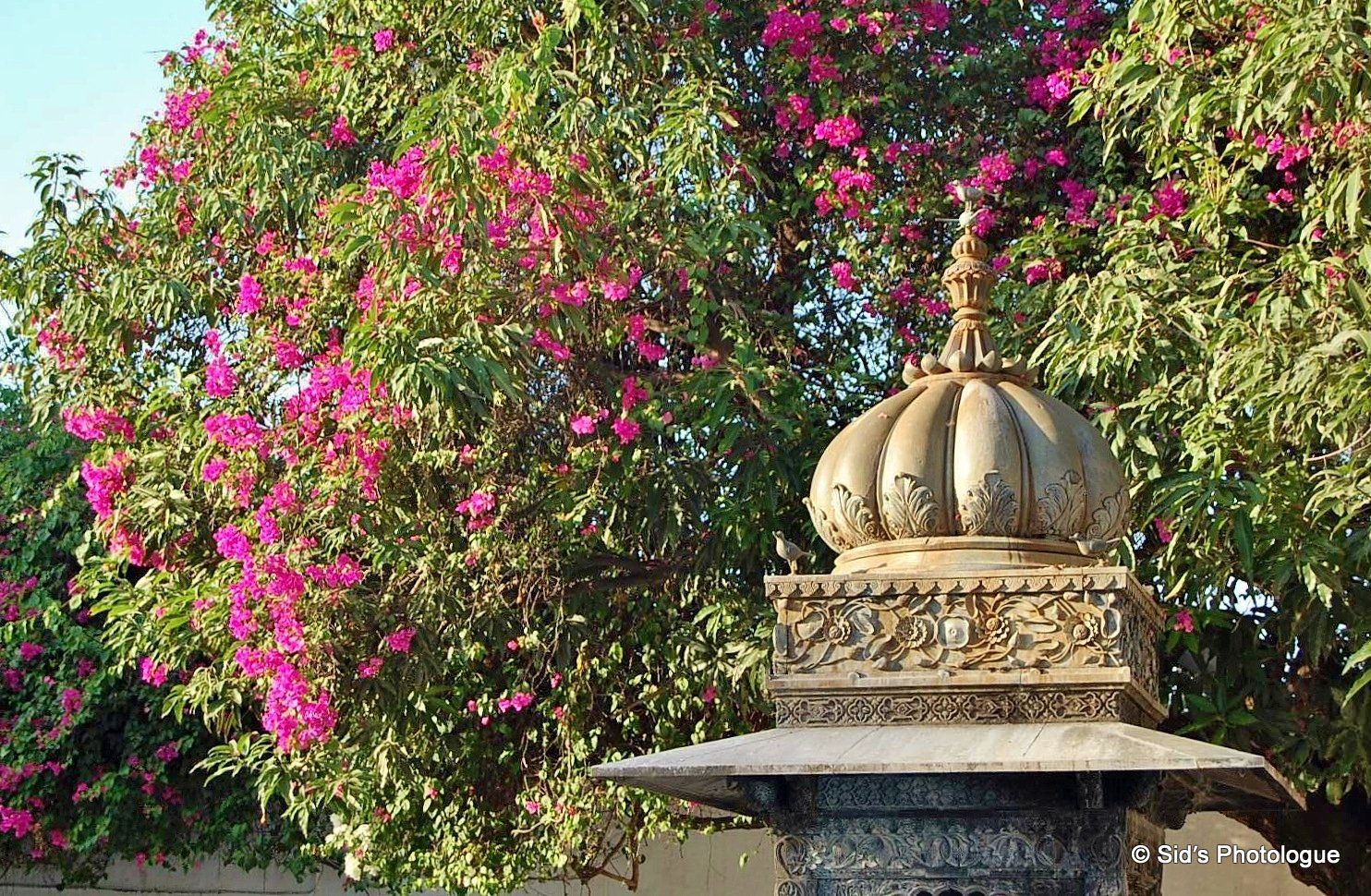
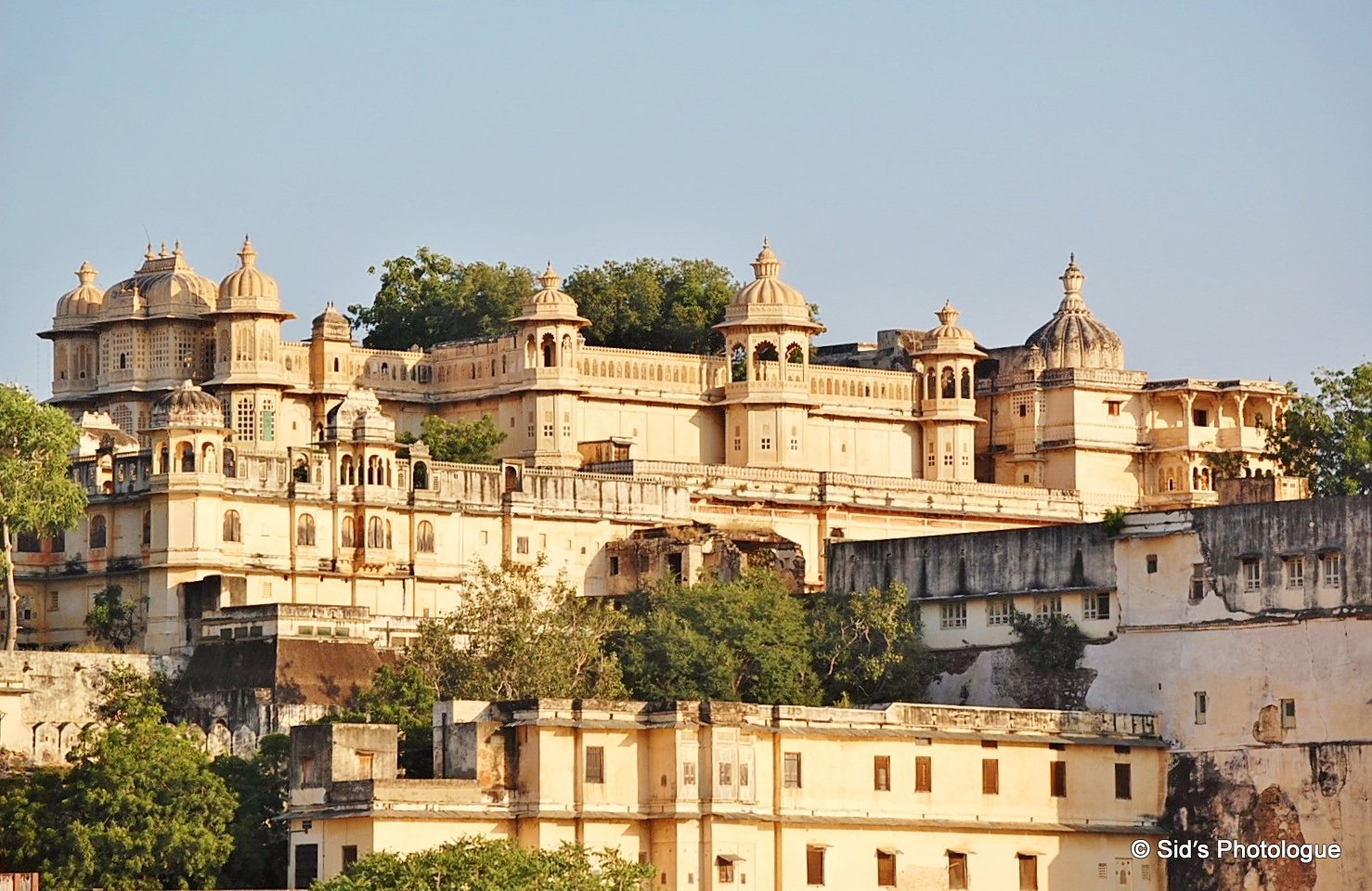
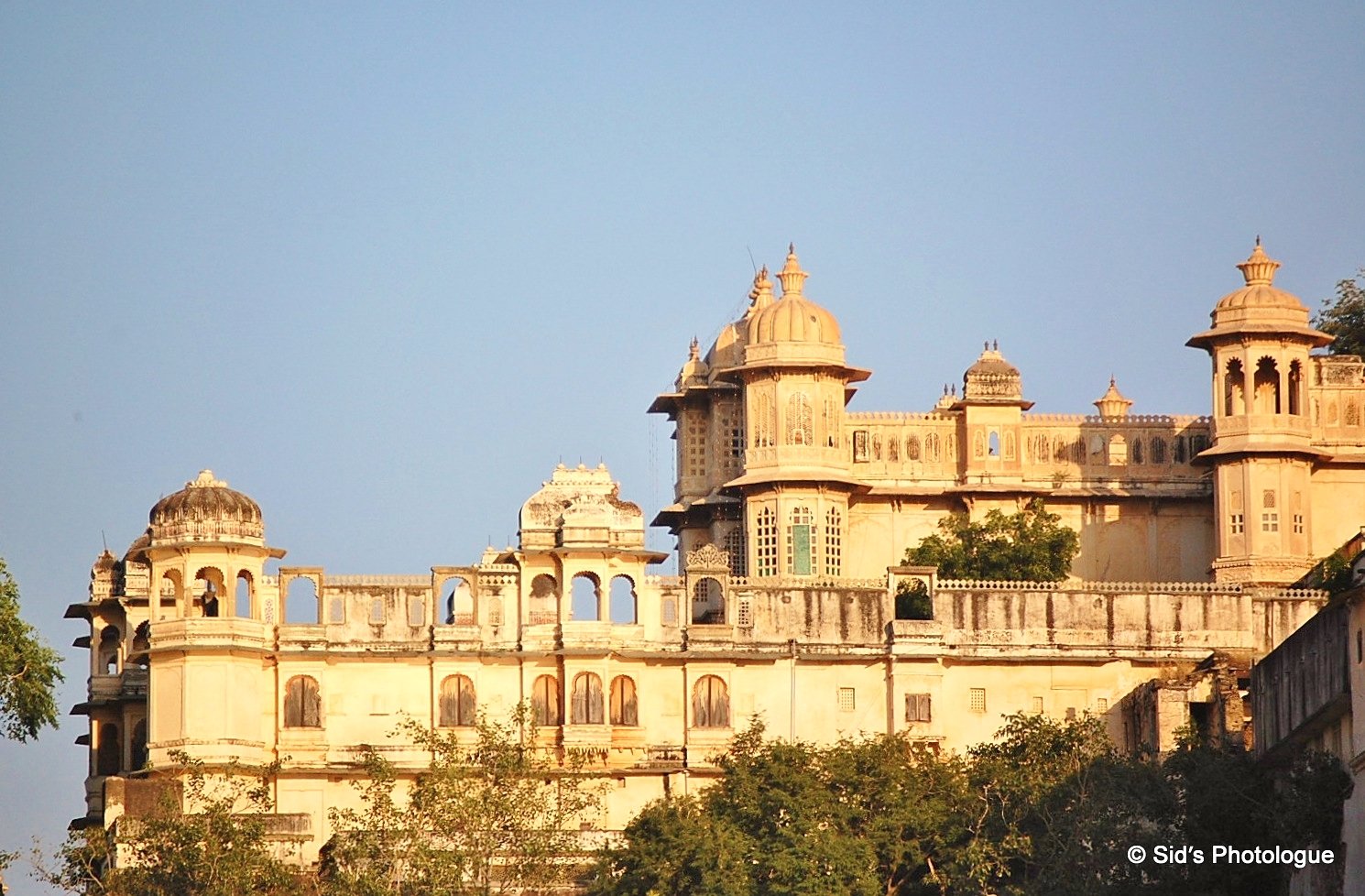
….& also the chiseled kiosks, marble elephants…..
The Buddhist Monks employed artists who turned the stone walls into picture books of Buddha’s life & teachings.
Mural paintings have survived from both phases of the caves – the earlier and later era of caves. Several fragments of murals preserved from the earlier caves (Caves 9 and 11) are believed to be unique to Sātavāhana times……..
Can you see a glittering necklace? Look carefully around the neck of the lady in left of the picture.
……….through whom, the main purpose of Ajanta art was to spread the Buddhism, geographically as far as possible.
……no matter from which side you see it, it’s looking at you !!!
The latter group are thought to be a century or more later than the earier, perhaps contemporary with a more progressive style, or one reflecting a team of artists from a different region……..
The ceilings are also painted with sophisticated and elaborate decorative motifs…….
….The chief binding material used here was glue. The paintings at Ajanta are not frescoes as they are painted with the aid of a binding agent (Whereas in fresco the paintings are executed while the lime wash is still wet which, thereby acts as an intrinsic binding agent.)
The most famous mural of ‘Padmapani’ in Cave 1. The two most famous individual painted images at Ajanta are that of two over-life size figures of the protective bodhisattvas – Padmapani and Vajrapani on either side of the entrance to the Buddha shrine.
Another marvel of artistry. The ceiling painting of bull is a 3D picture……
…..The rock surface was left with chisel marks and grooves so that the layer applied over it can be held in an effective manner……
Carved out of volcanic rock in the Maharashtra Plateau, Ajanta was not far off from the ancient trade routes. This attracted many traders & pilgrims enroute various parts of Asia……
…..The colours and shades utilised also vary from red and yellow ochre, terra verte, to lime, kaolin, gypsum, lamp black and lapis lazuli……
…..A second coat of mud and ferruginous earth mixed with fine rock-powder or sand and fine fibrous vegetable material was applied over the ground surface. Then the surface was finally finished with a thin coat of lime wash……
…..Over this surface, outlines are drawn boldly, then the spaces are filled with requisite colours in different shades and tones to achieve the effect of rounded and plastic volumes……
….The ground layer consists of a rough layer of ferruginous earth mixed with rock-grit or sand, vegetable fibres, paddy husk, grass and other fibrous material of organic origin on the rough surface of walls and ceilings…….
These artists have portrayed the stories of Buddha’s life (Jataka tales)………..
The paintings were executed after elaborate preparation of the rock surface initially……
This is visible only when a light shines on it. Unbelievably amazing, isn’t it?
The paintings in cave 1, which is believed to be commissioned by Emperor Harisena himself, concentrate on those Jataka tales which show previous lives of the Buddha as a king, rather than as a commoner, and so show settings from contemporary palace life.
All the paintings from the later phase of caves, appear to be the work of painters at least as used to decorating palaces as temples, and show a familiarity with and interest in details of the life of a wealthy courts of the Gupta period.
Awesome pics! great capture