Situated at just about 25 km from the city; Kaas is a one day outing spot for the Satara-ites.
Kaas Pathar (Pathar is Marathi for Plateau), receives its name “Kaas” from Kaasa tree (Elaeocarpus glandulosus).
It has been declared as Biodiversity World Heritage Site by The United Nations Educational Scientific and Cultural Organization (UNESCO)
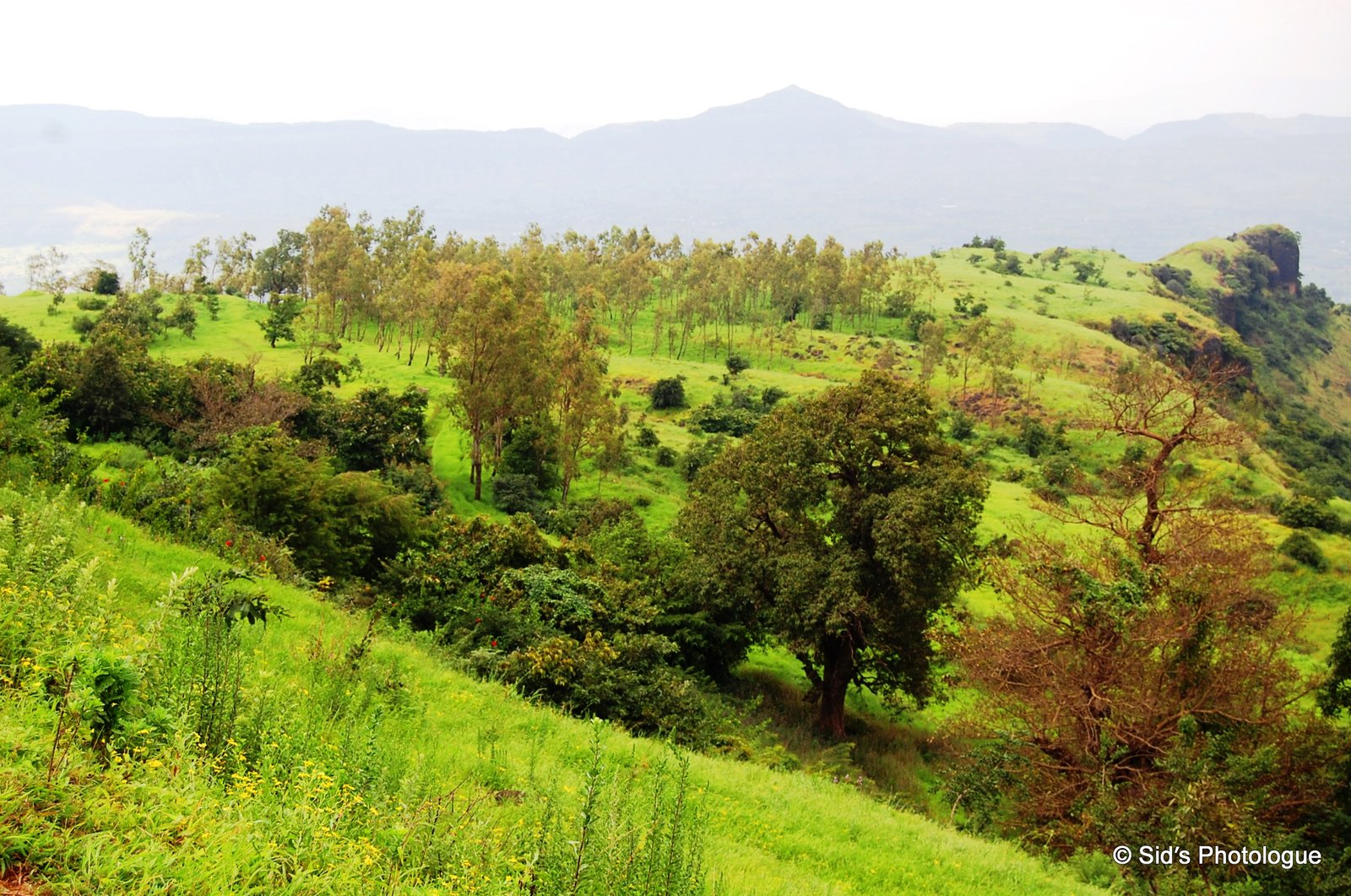
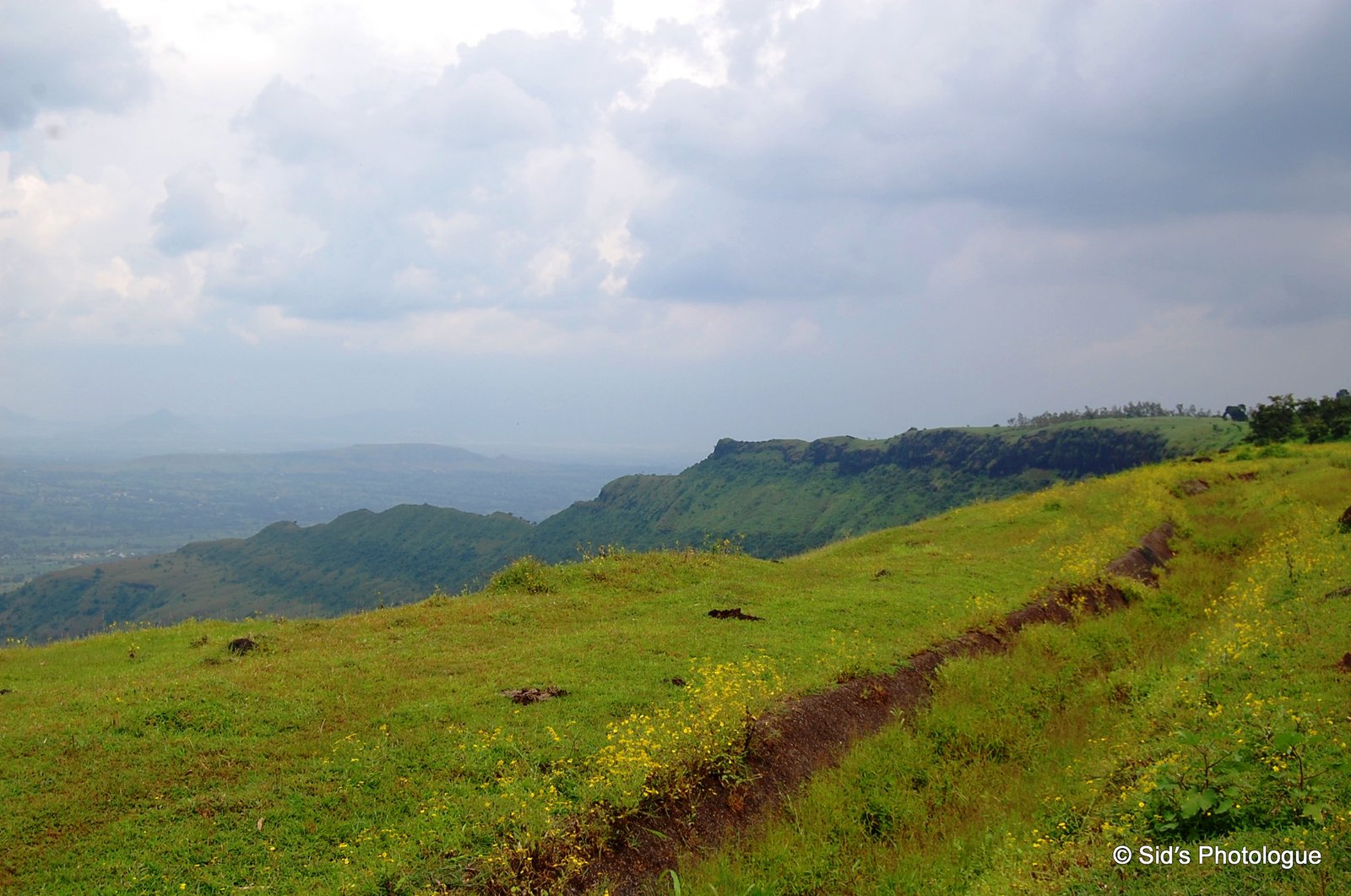
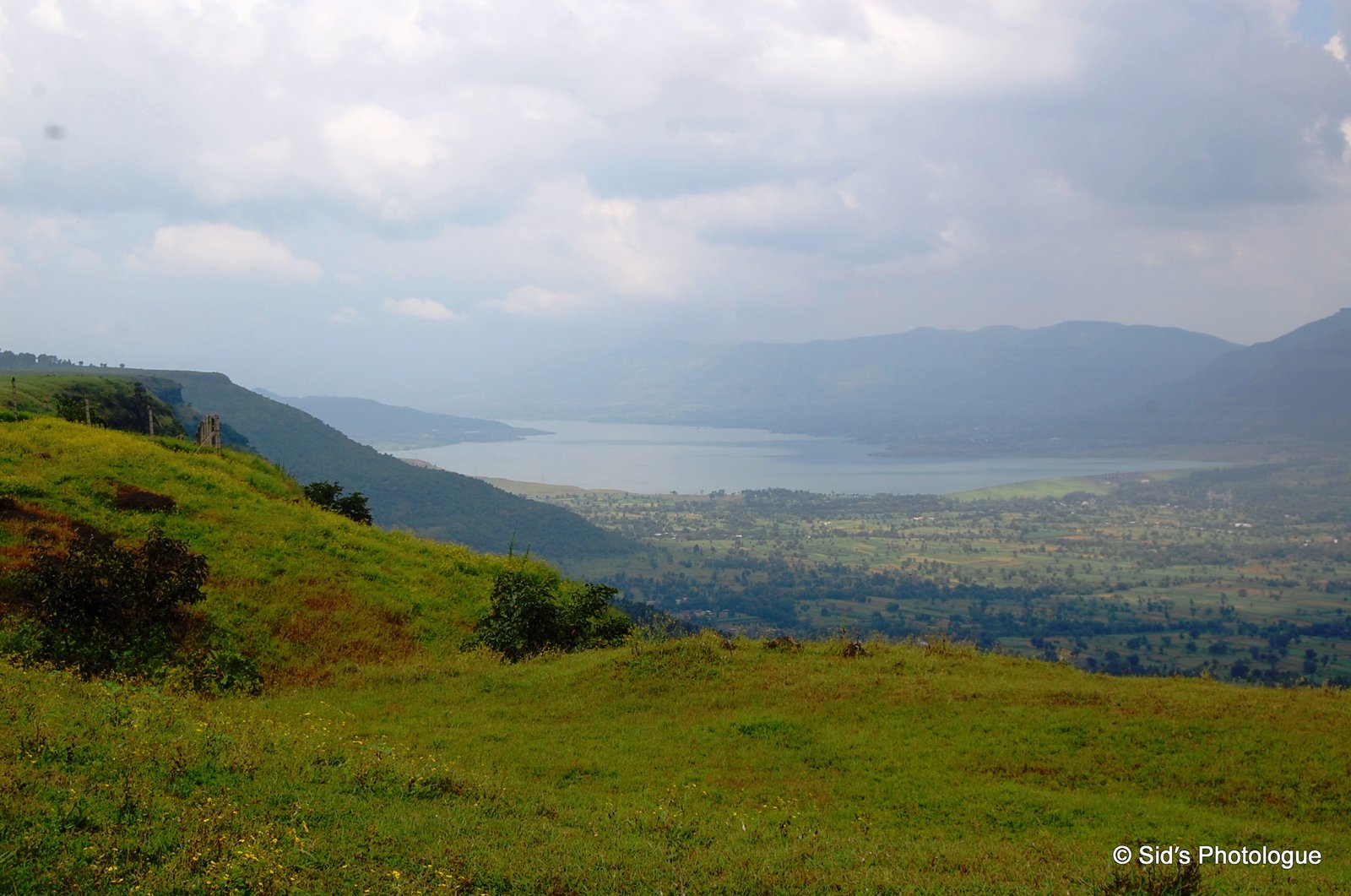
Located at a height of 1200 mt and spread over approx 1000 hectare area; the plateau overlooks Satara city on one side…..
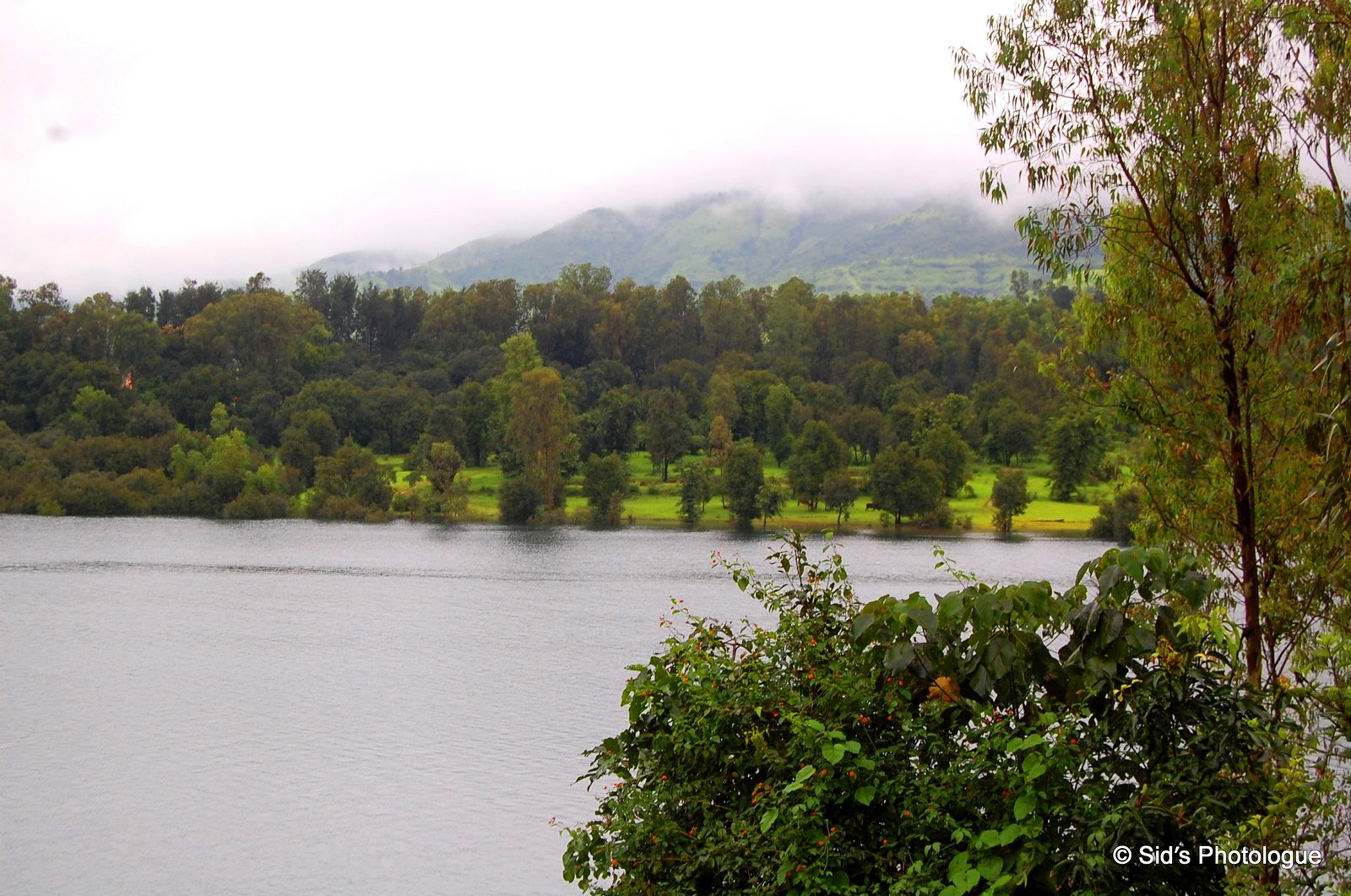
…..and the beautiful Kanher reservior on the other.
Satara district receives 2 monsoons – South West and the beginning part of North East monsoon
…which makes September an active monsoon month, here!
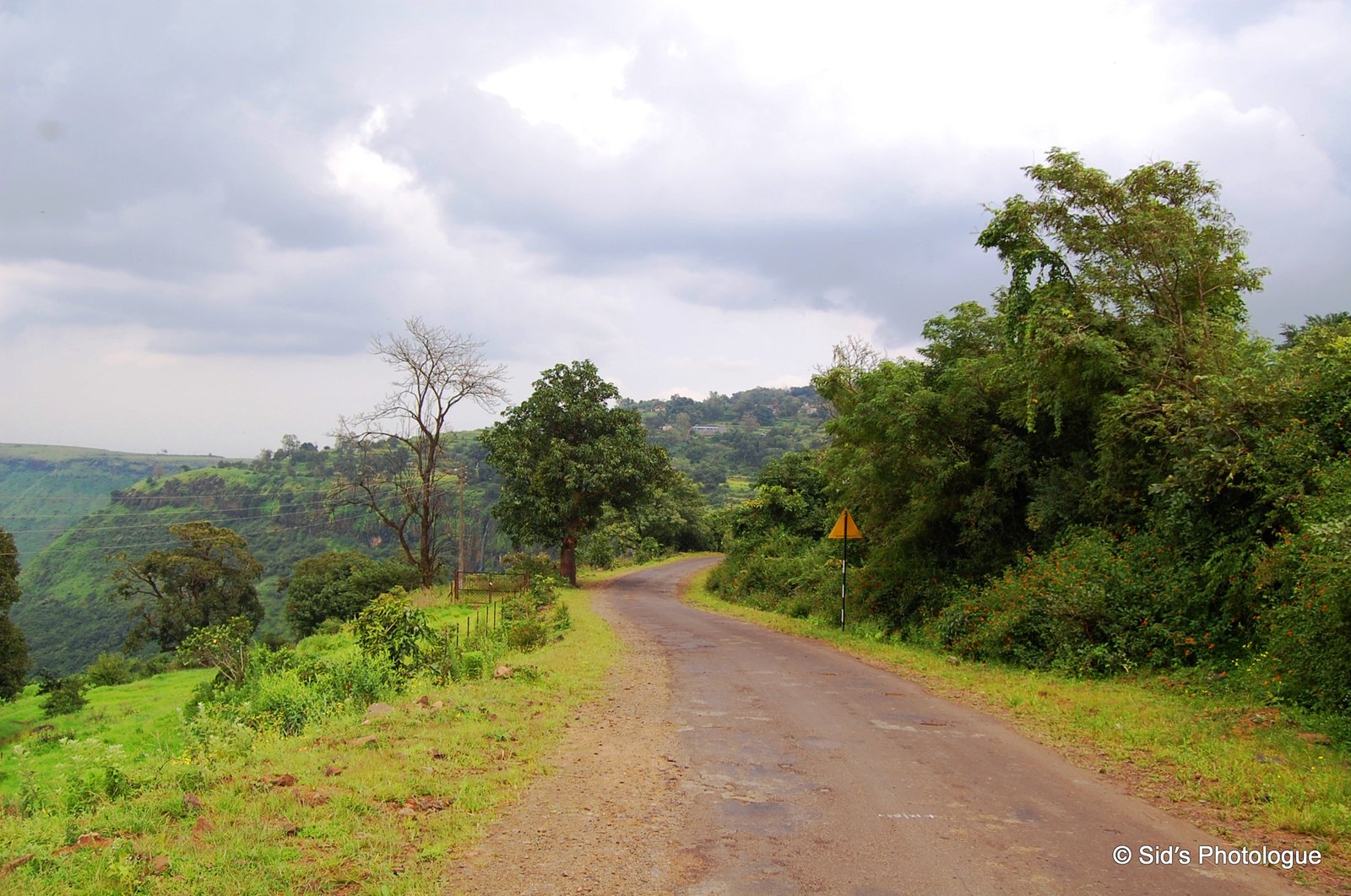
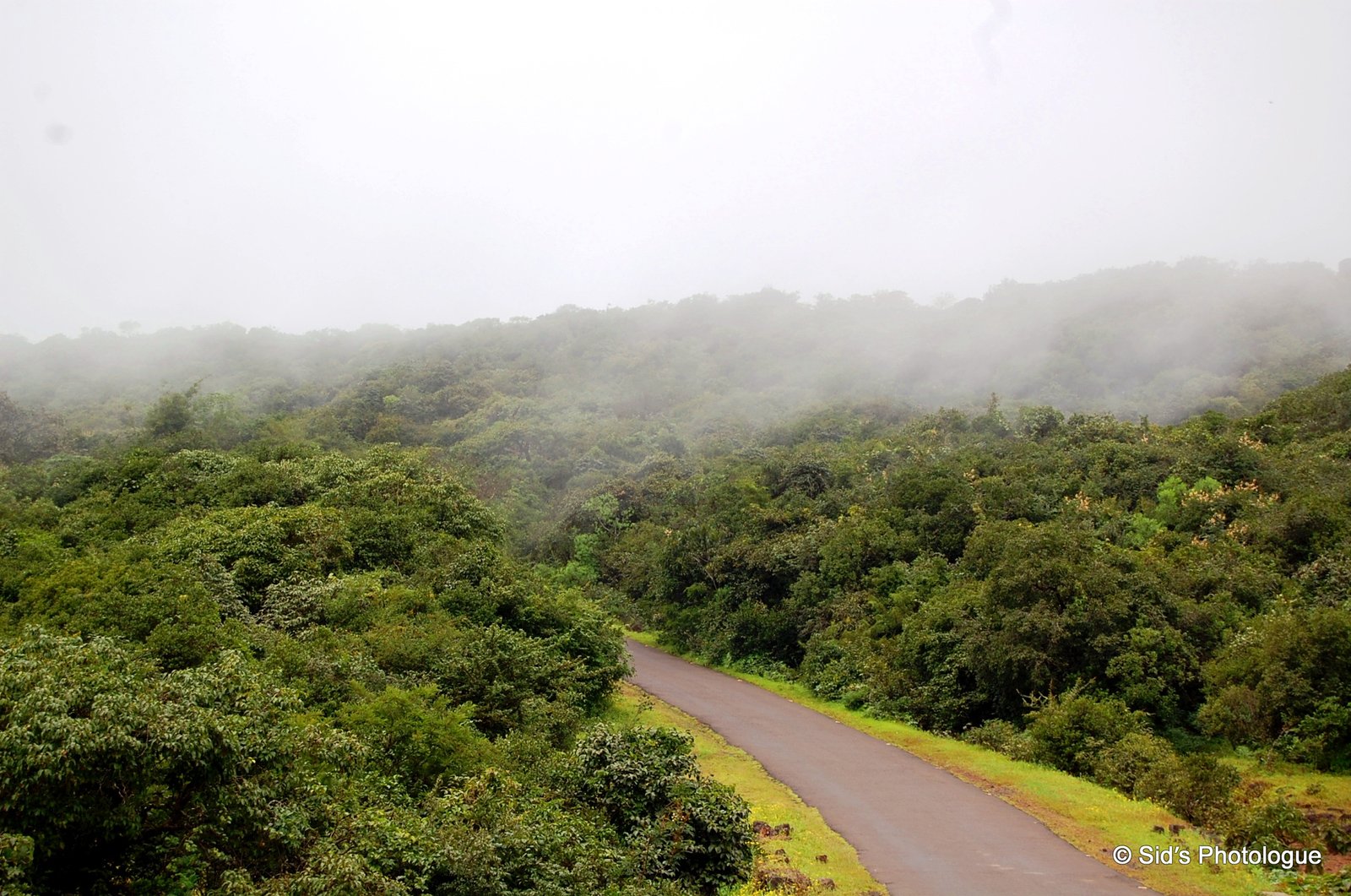
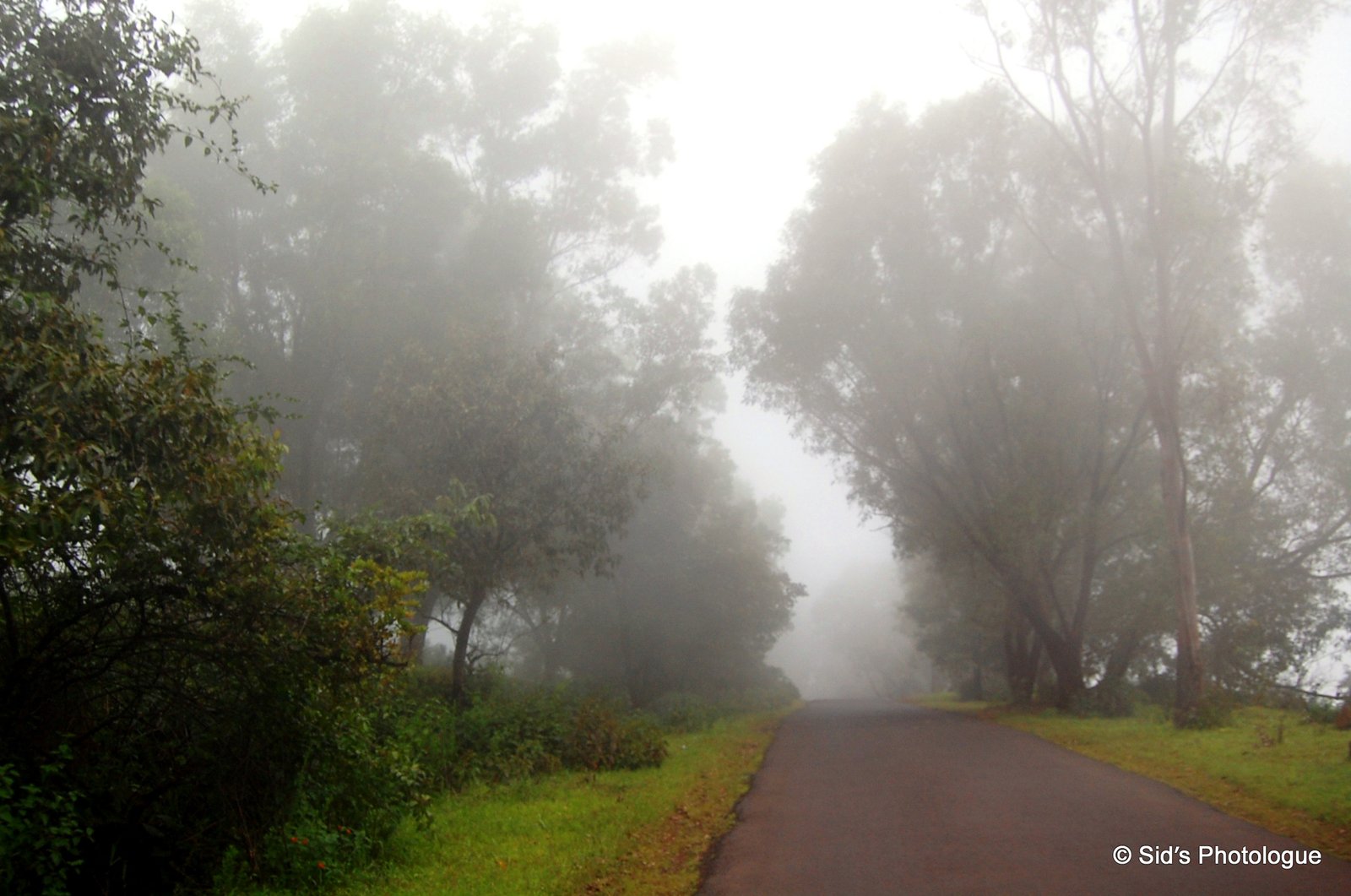
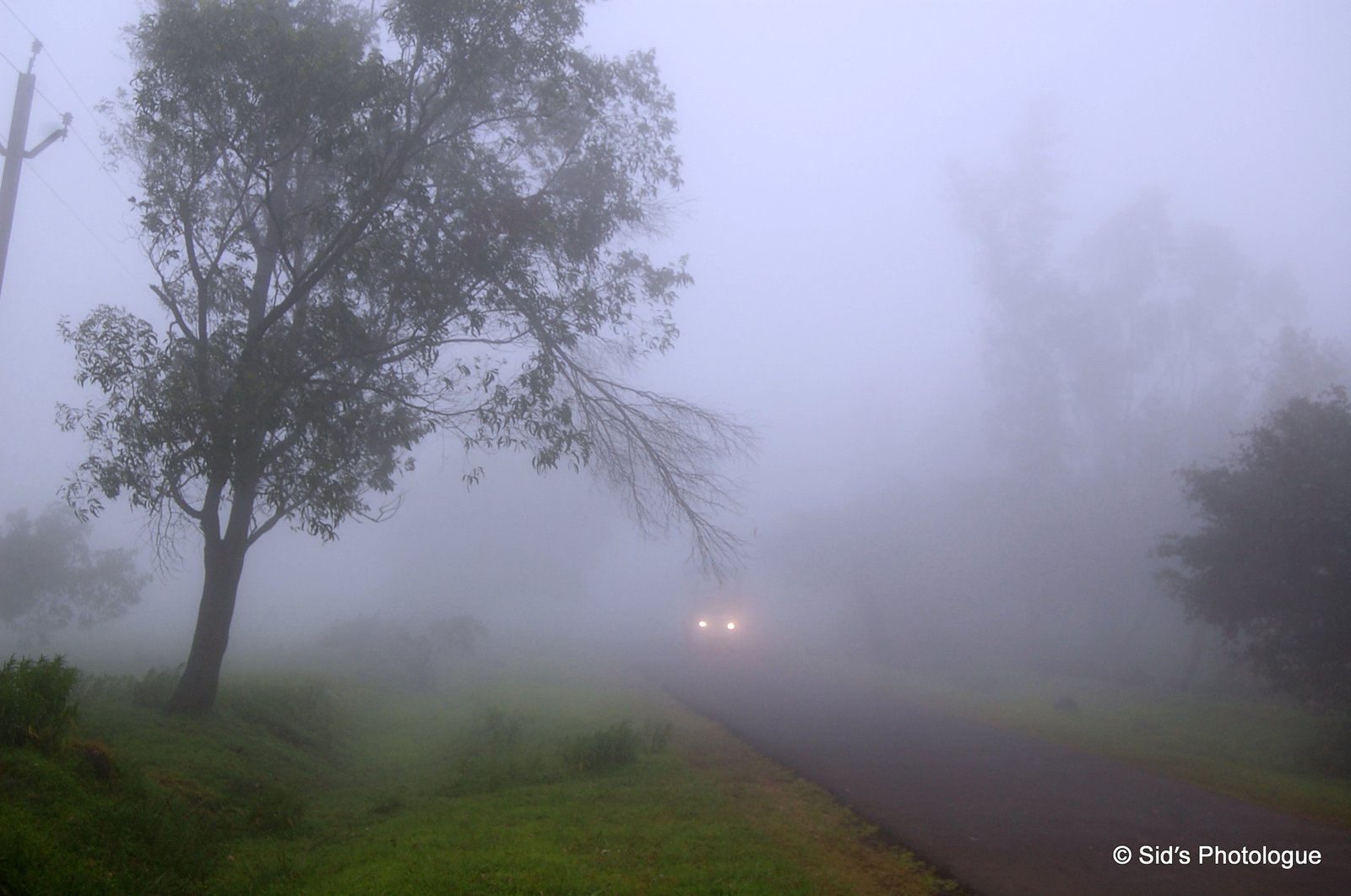
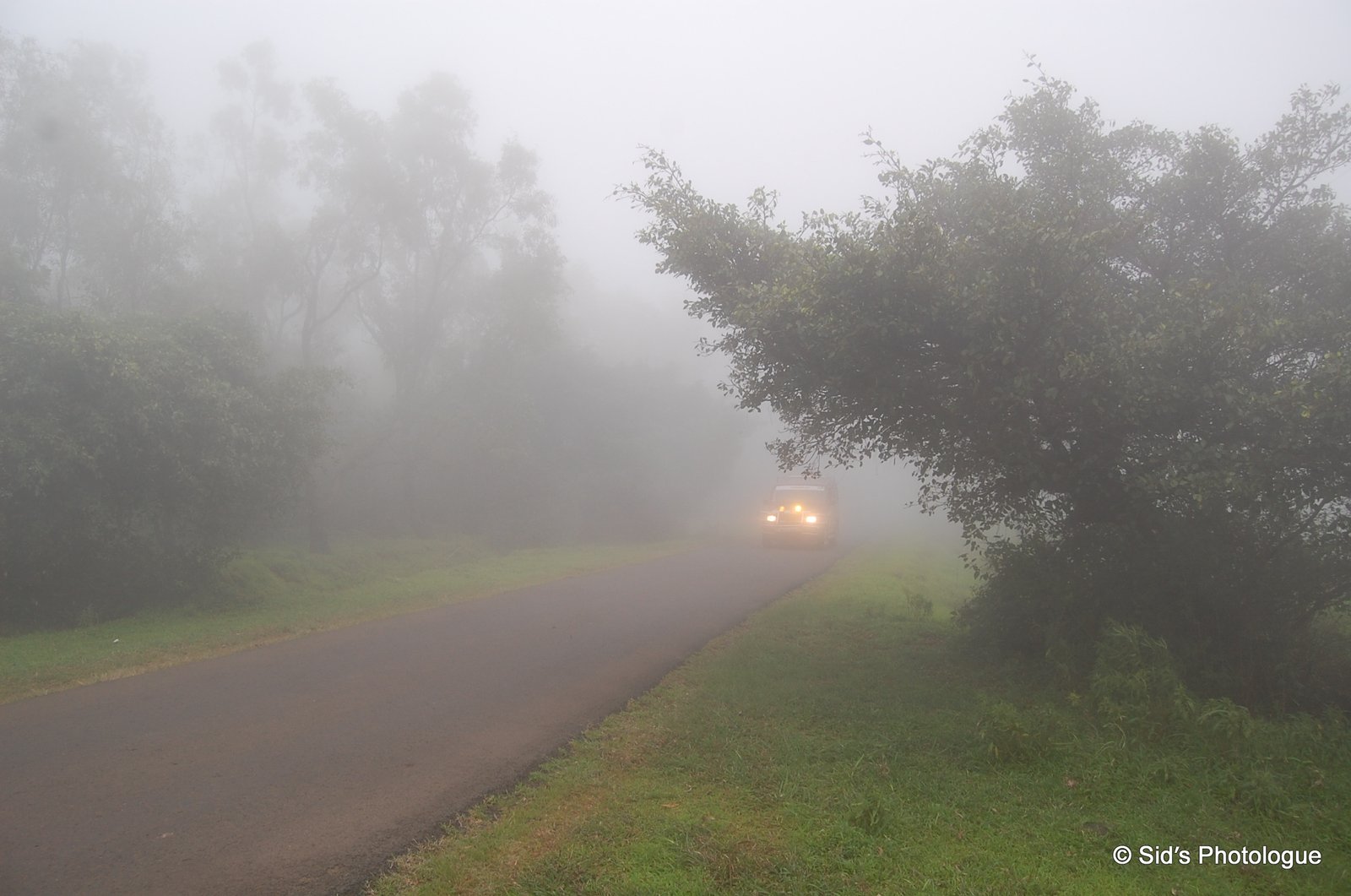
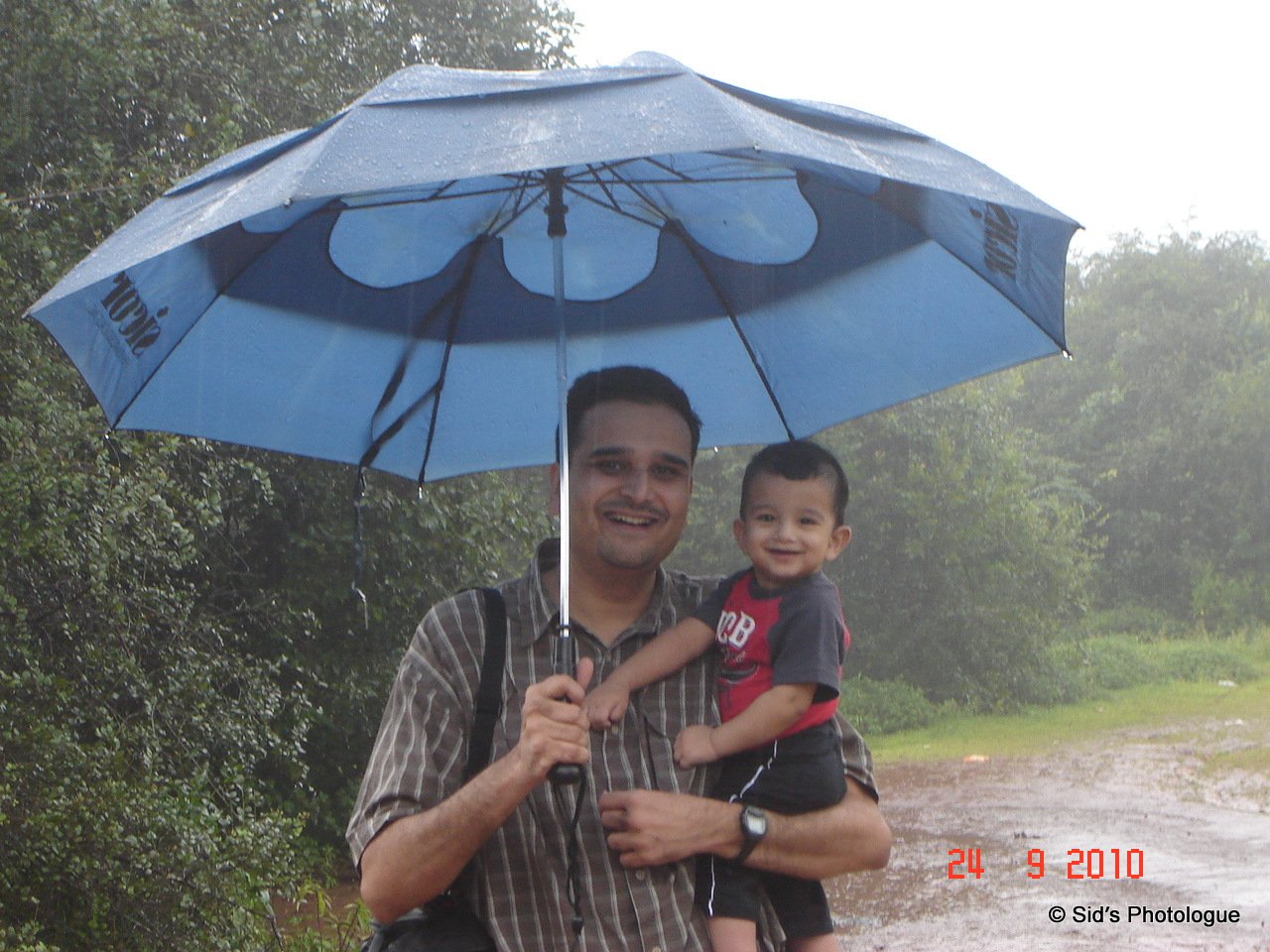
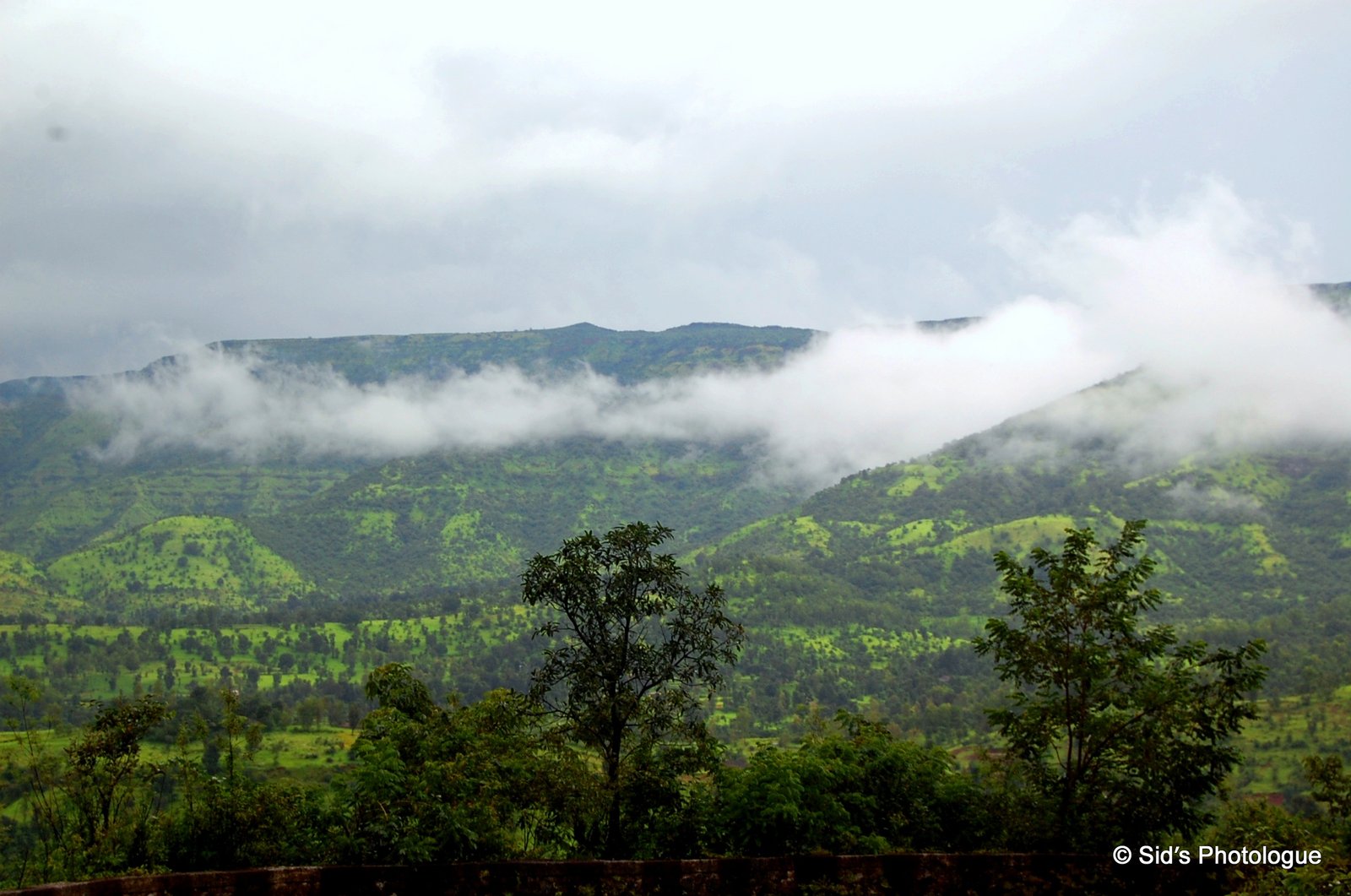
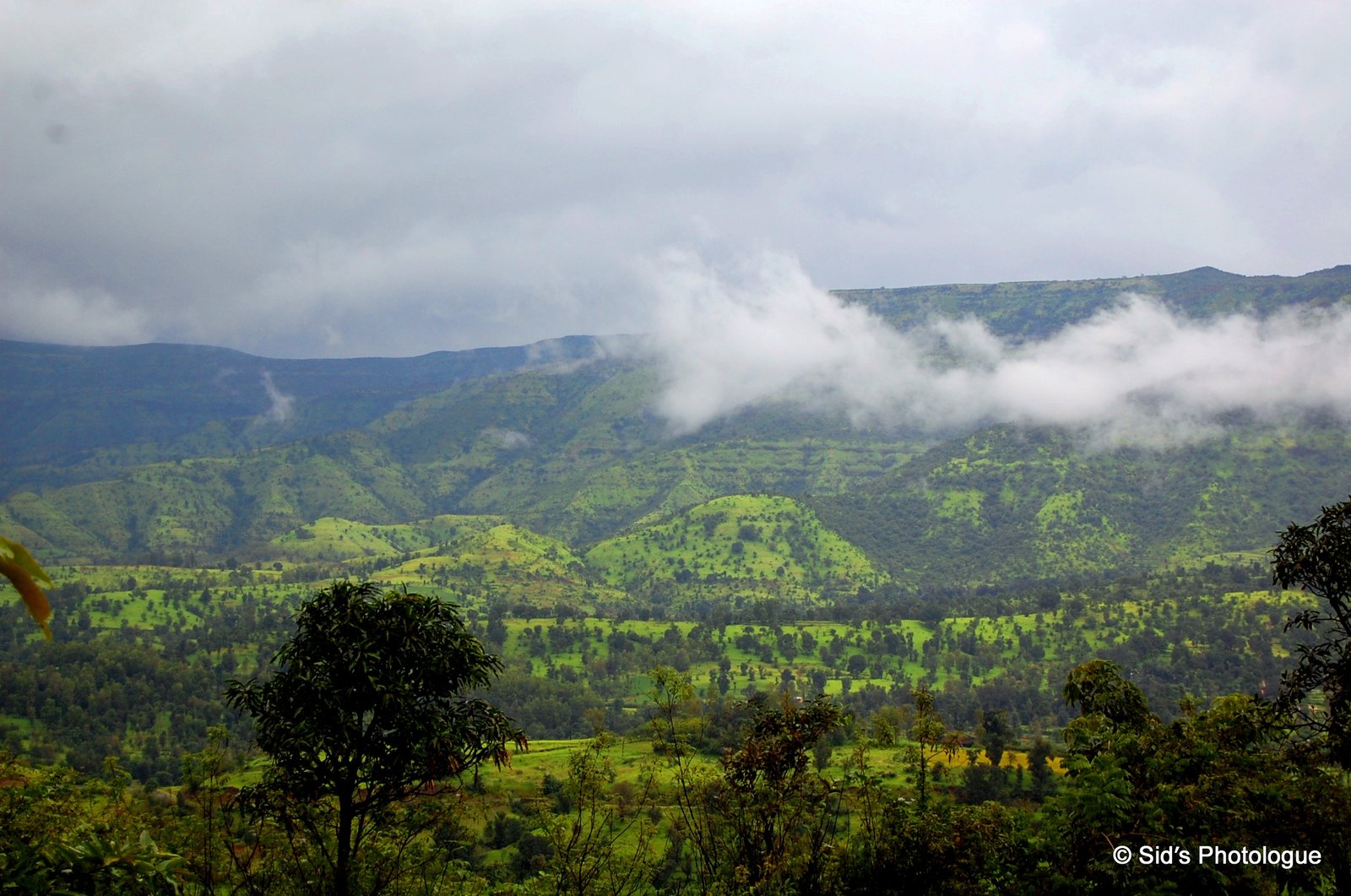
As you climb up the Ghats, we were greeted with the clouds flowing through our car window
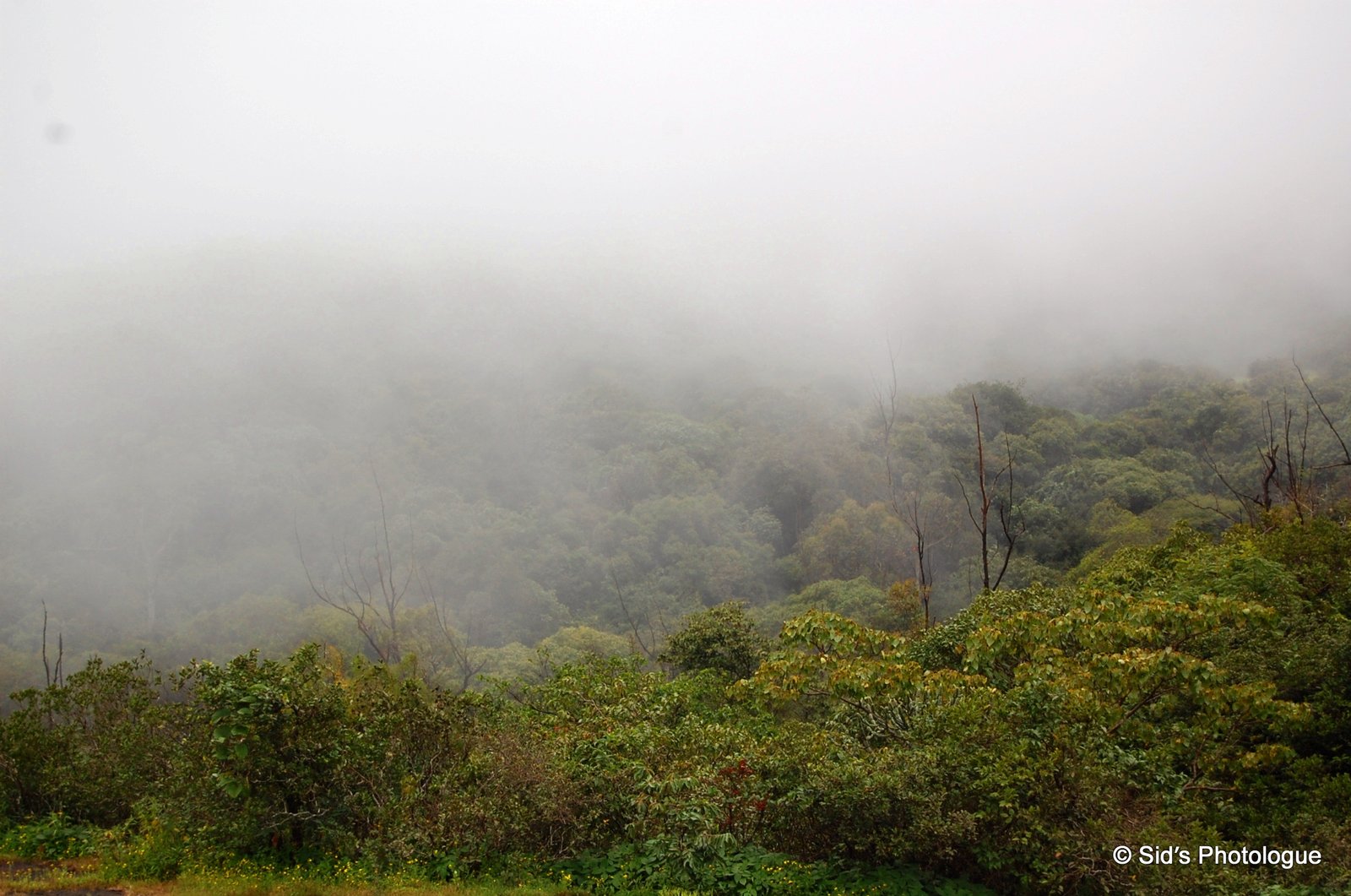
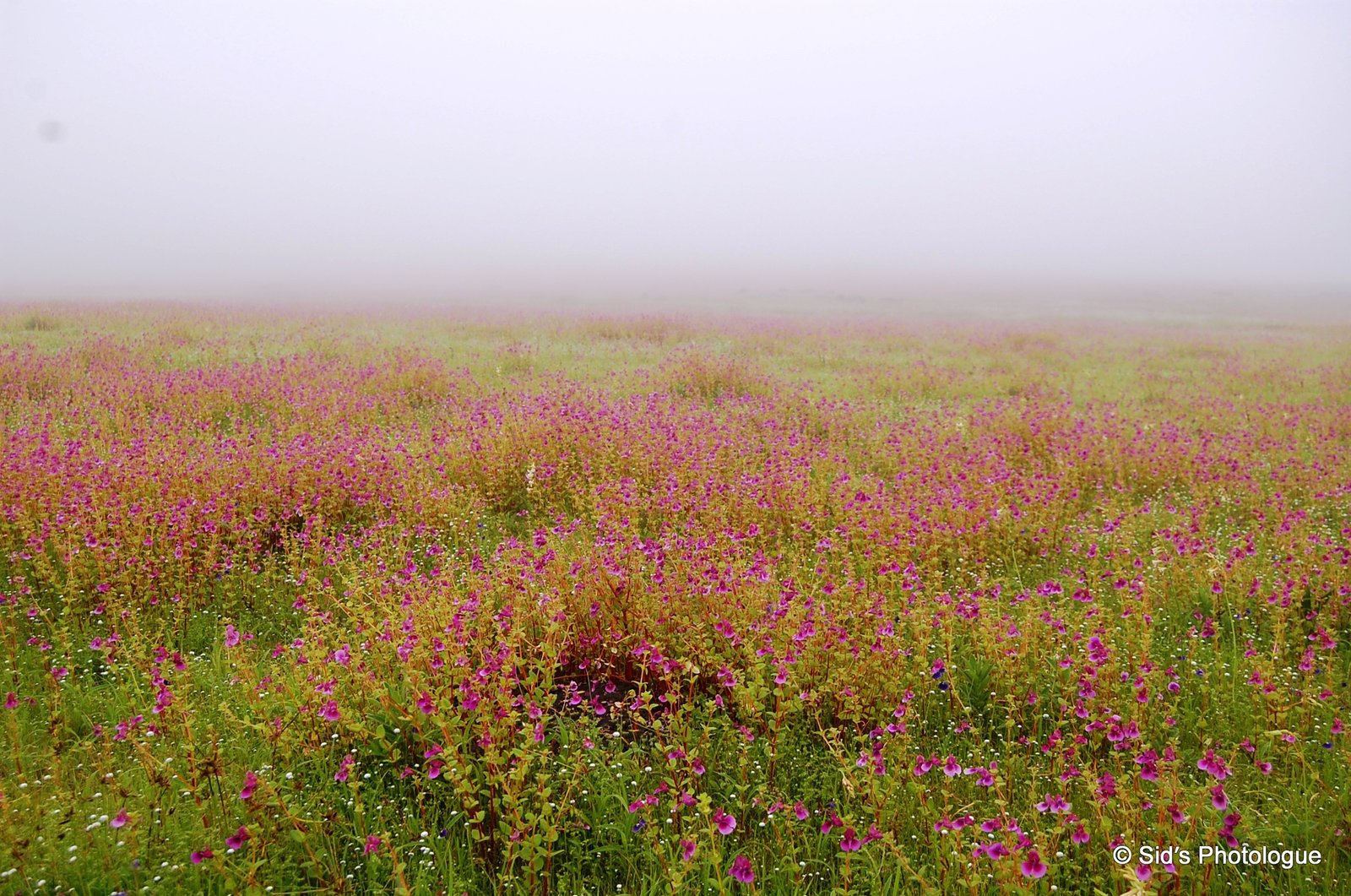
….to an extent that the visibility was practically zero.
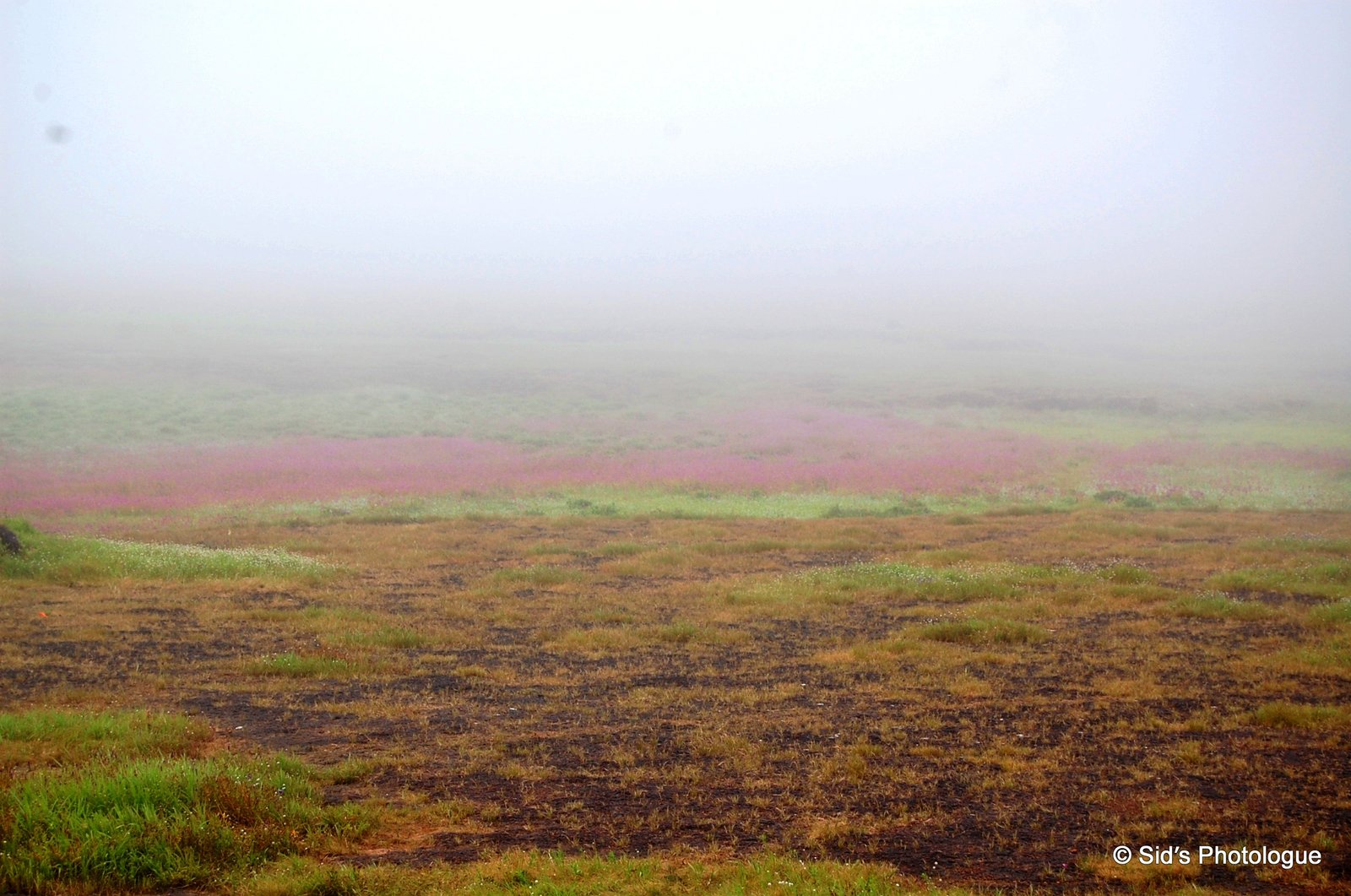
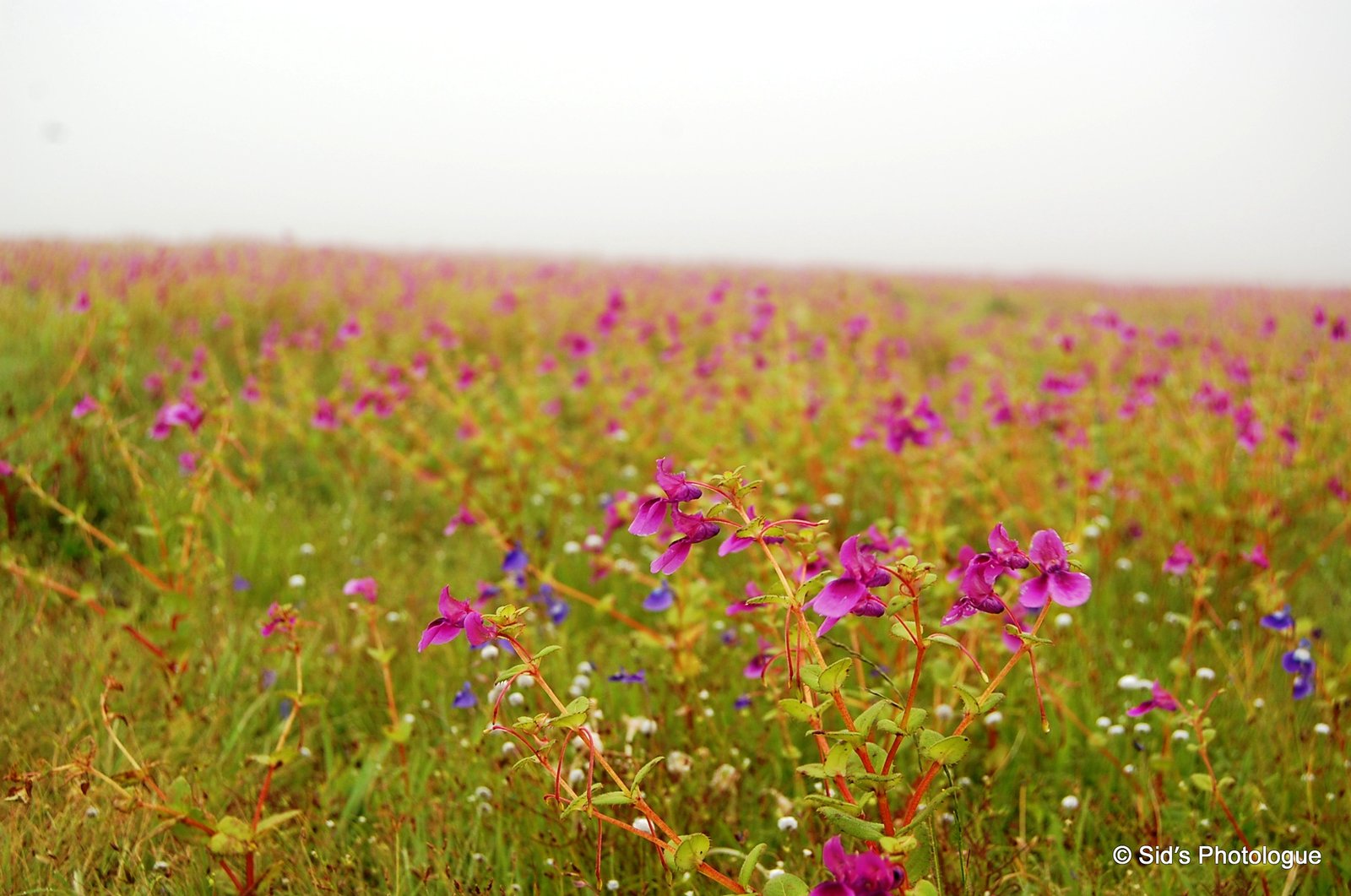
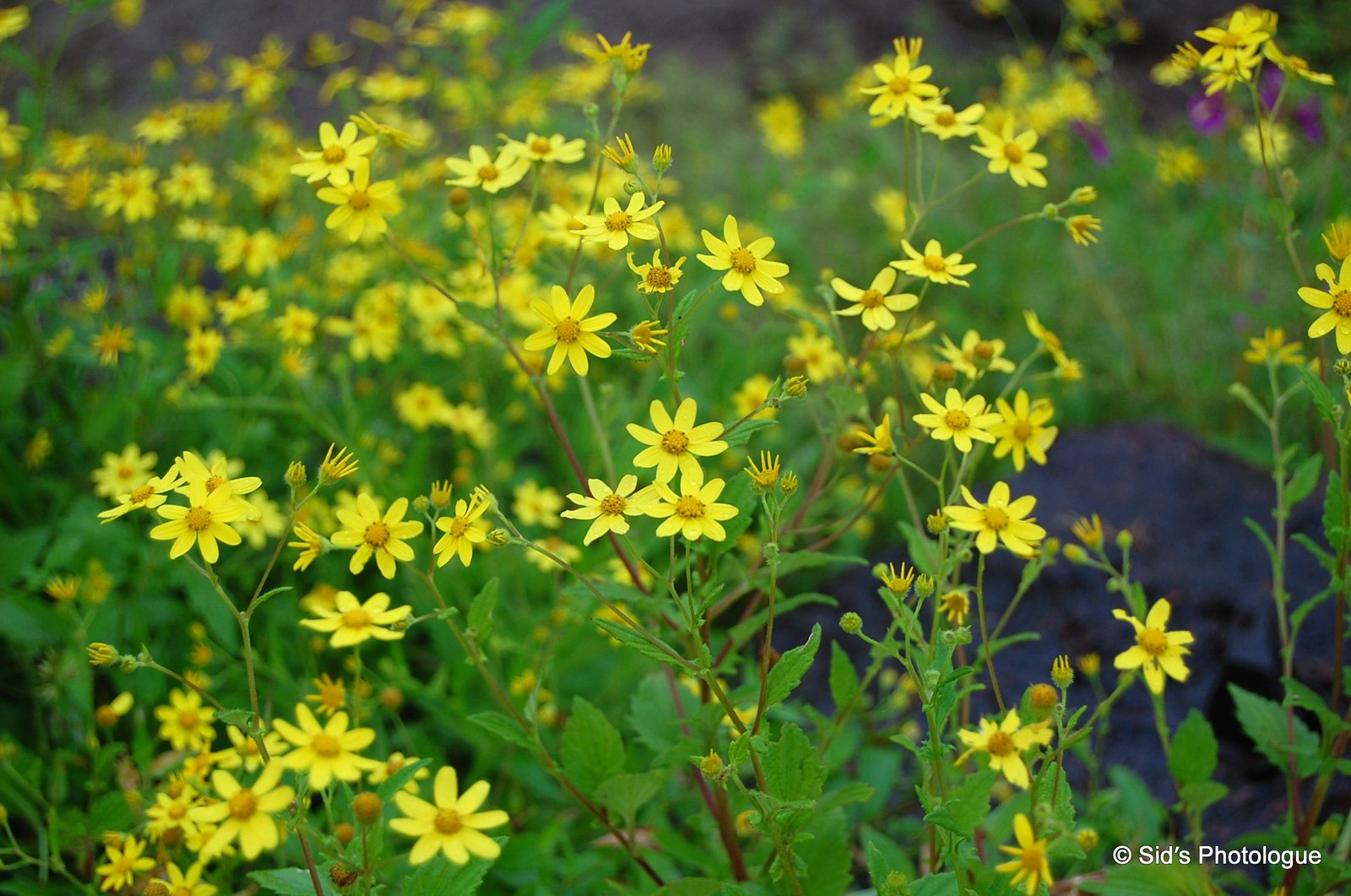
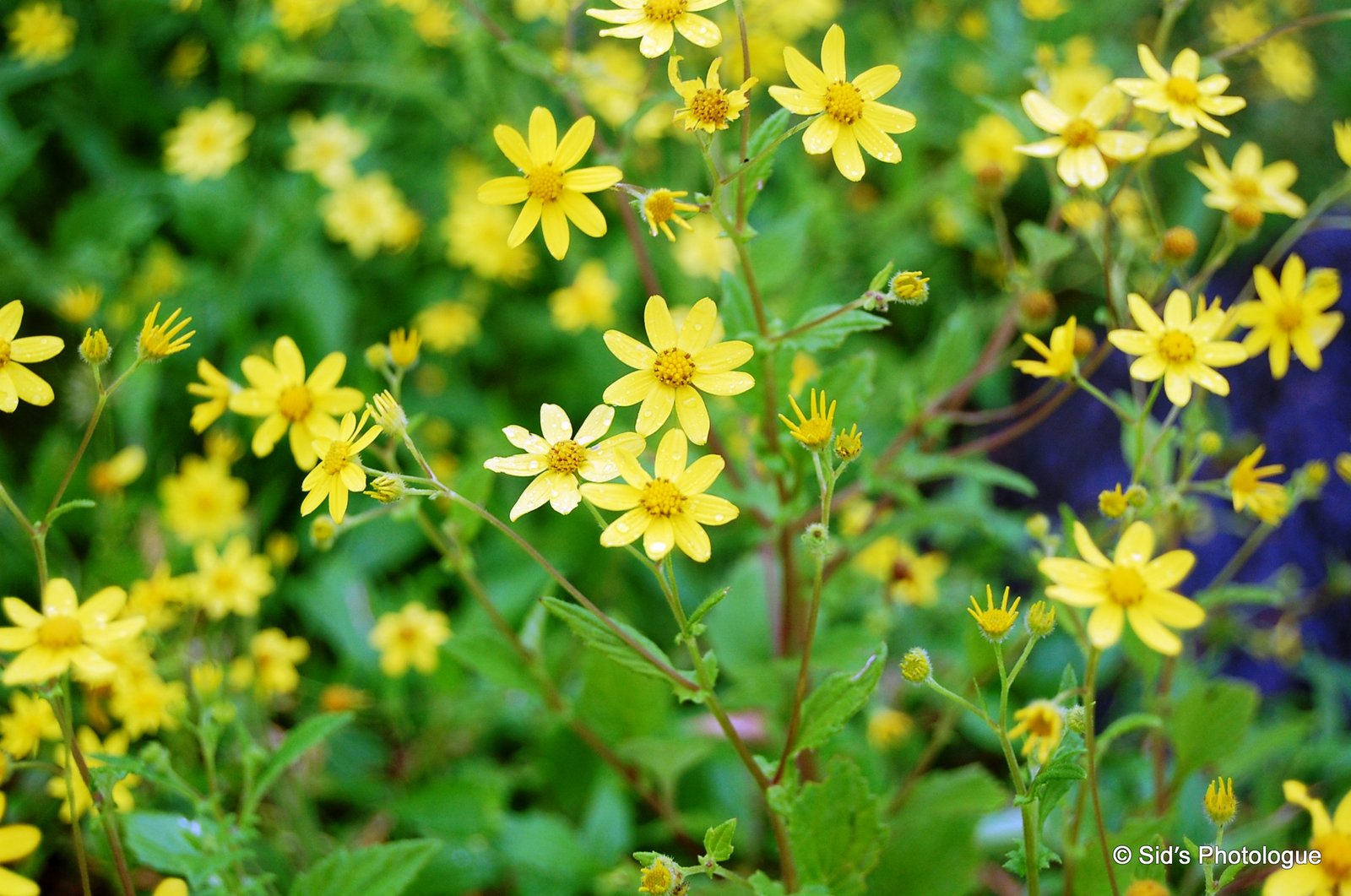
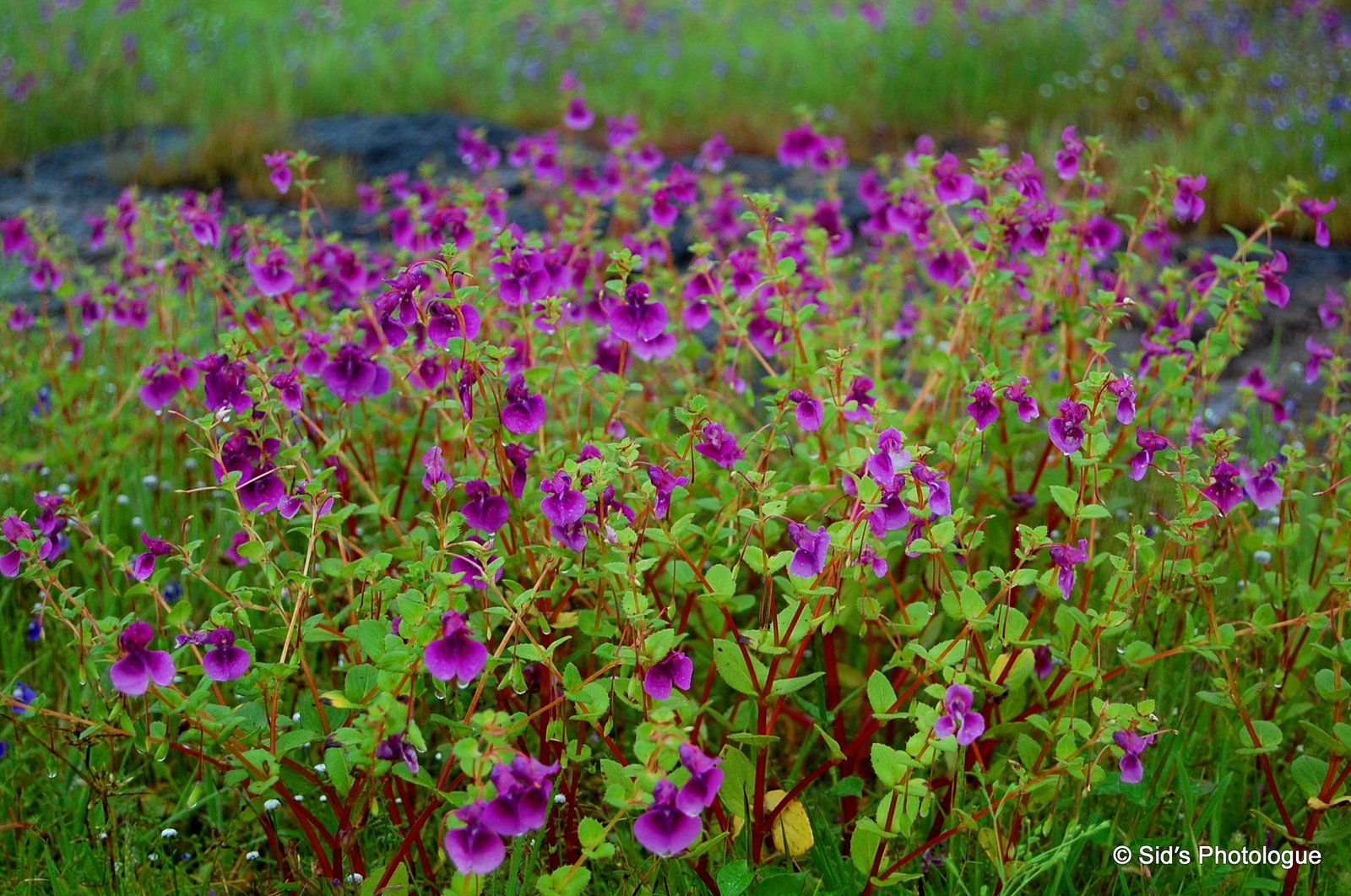
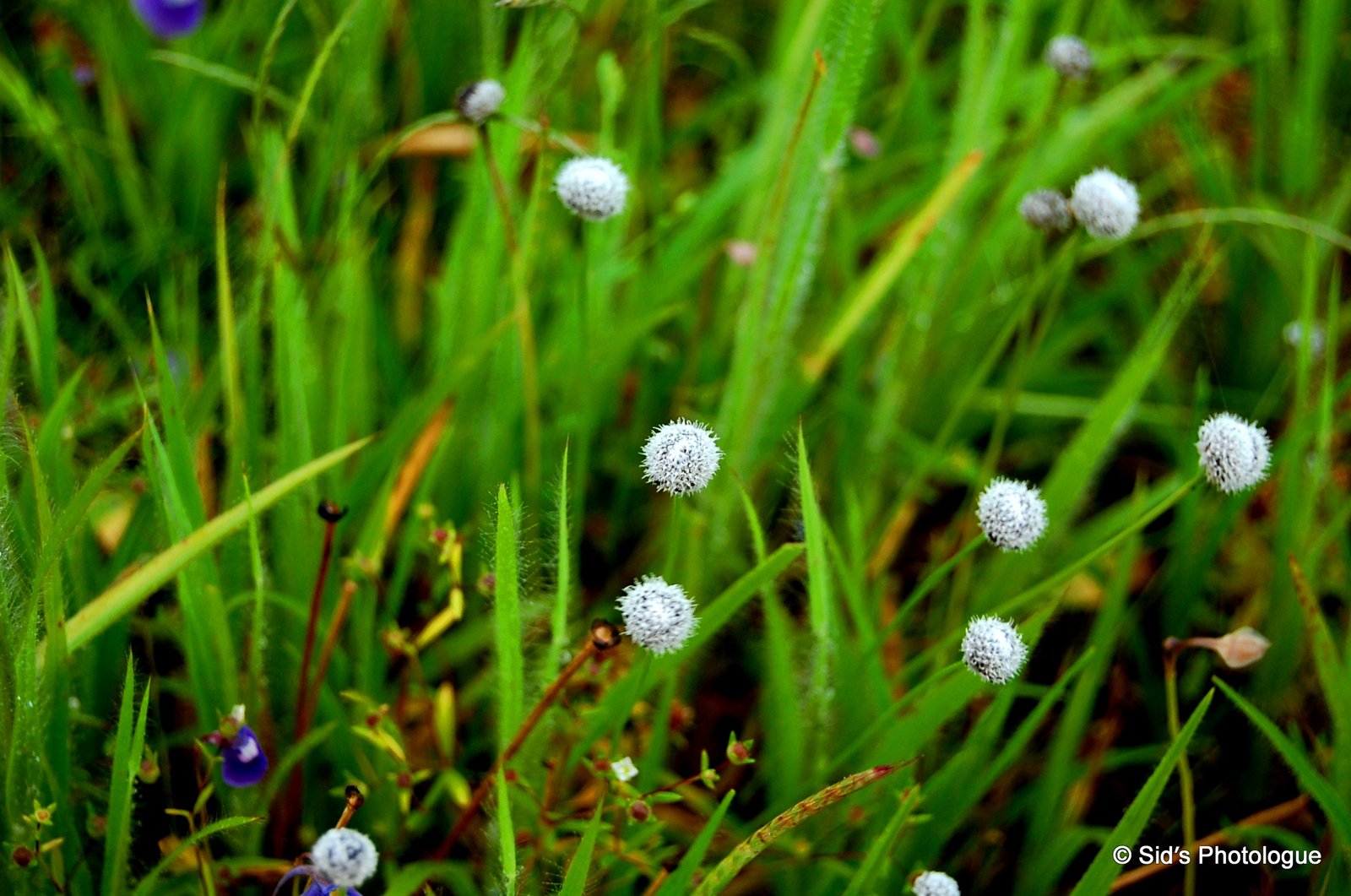
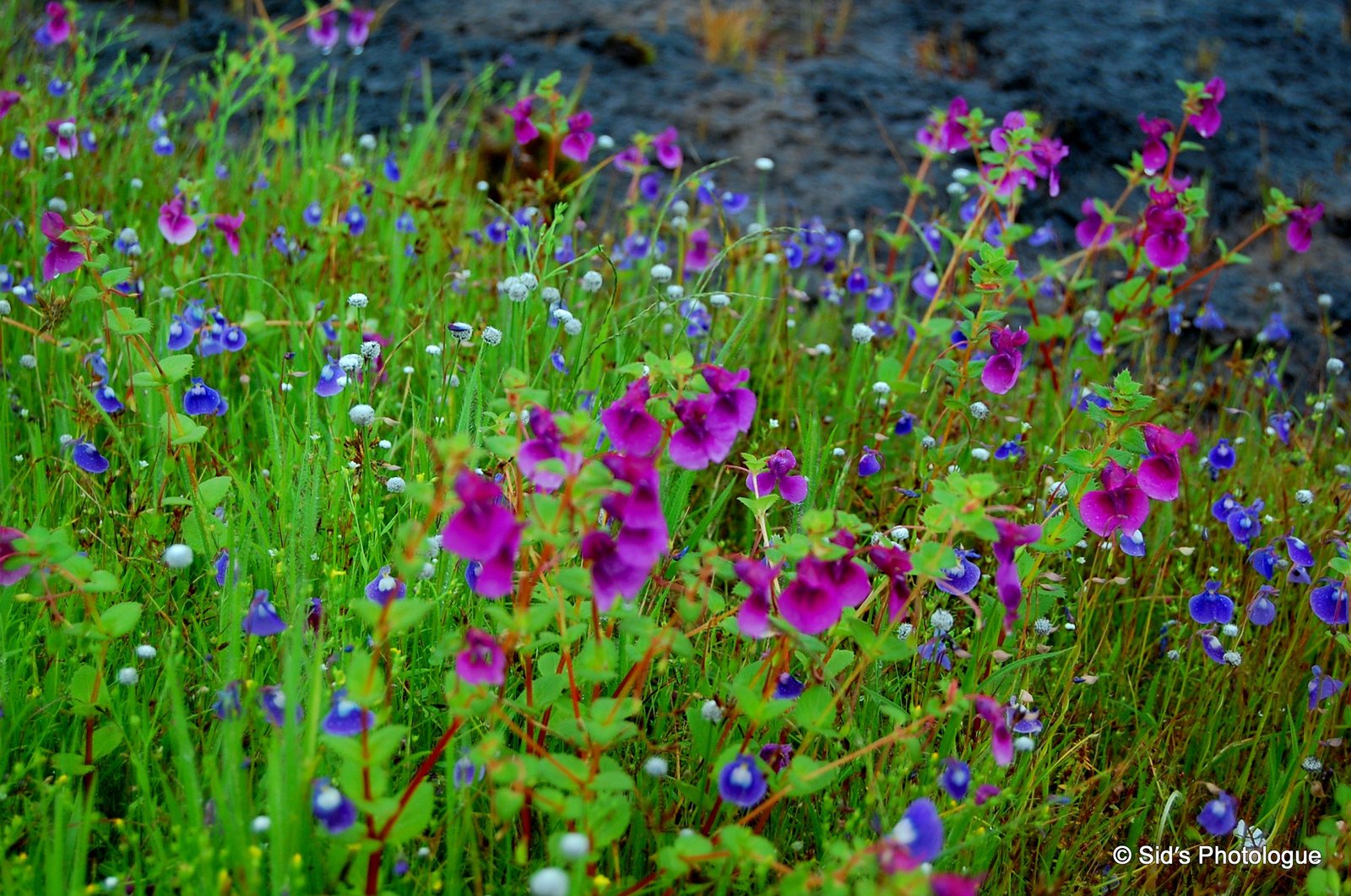
Though the Plateau was fully covered in dense fog….as you go near, you can see shades of pink, yellow, blue and white in abundance
This place has more than 850 different species of flowers and other plants including Orchids, Karvy and carnivorous plants such as Drosera Indica.
It is said that this botanical beauty lasts only until mid of October. Thus the best month to visit Kaas are are July to Sep, when the bloom is at it’s best !
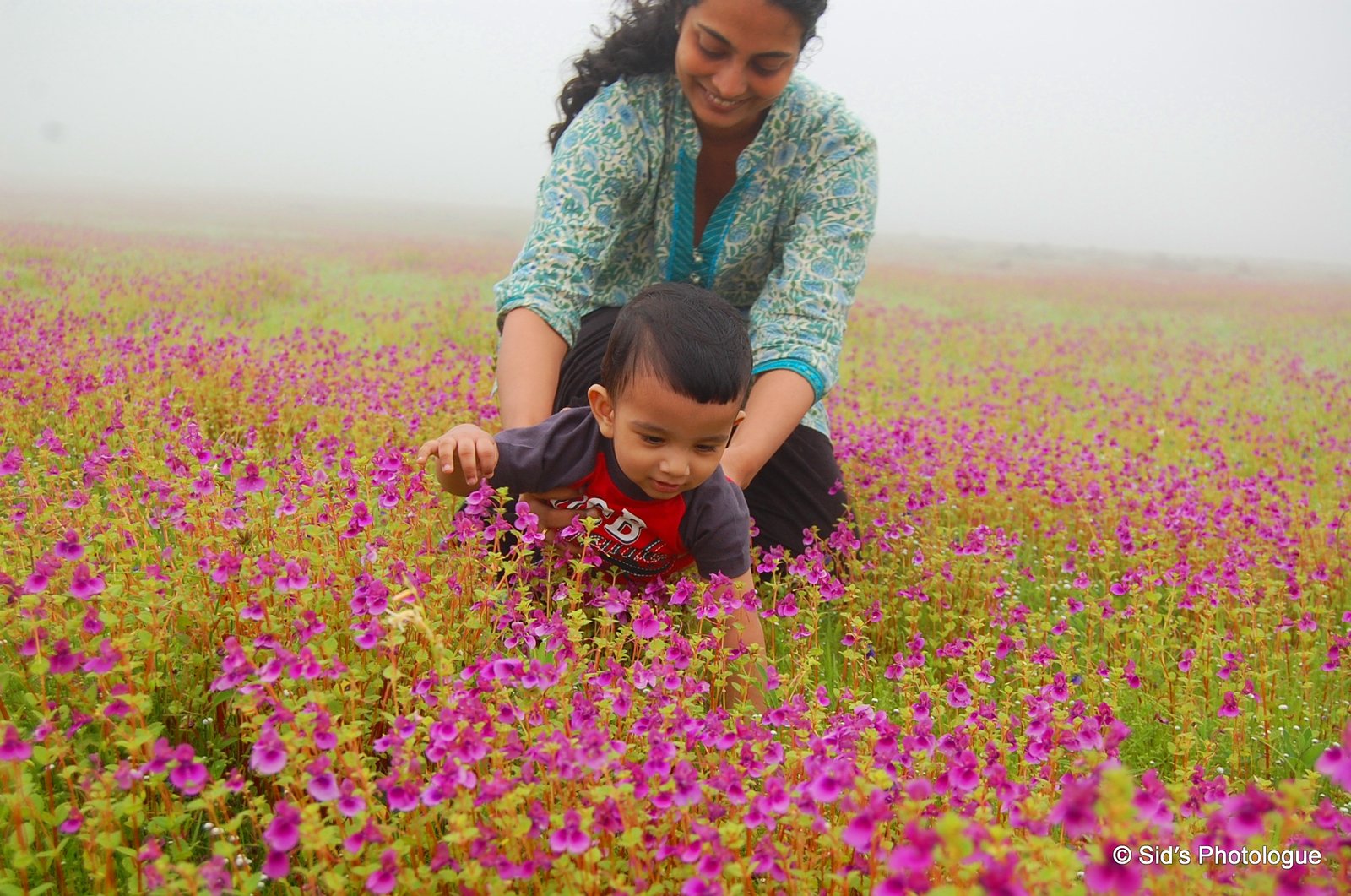
….and we were there !!! Ye Ye…my new colourful playground!!!
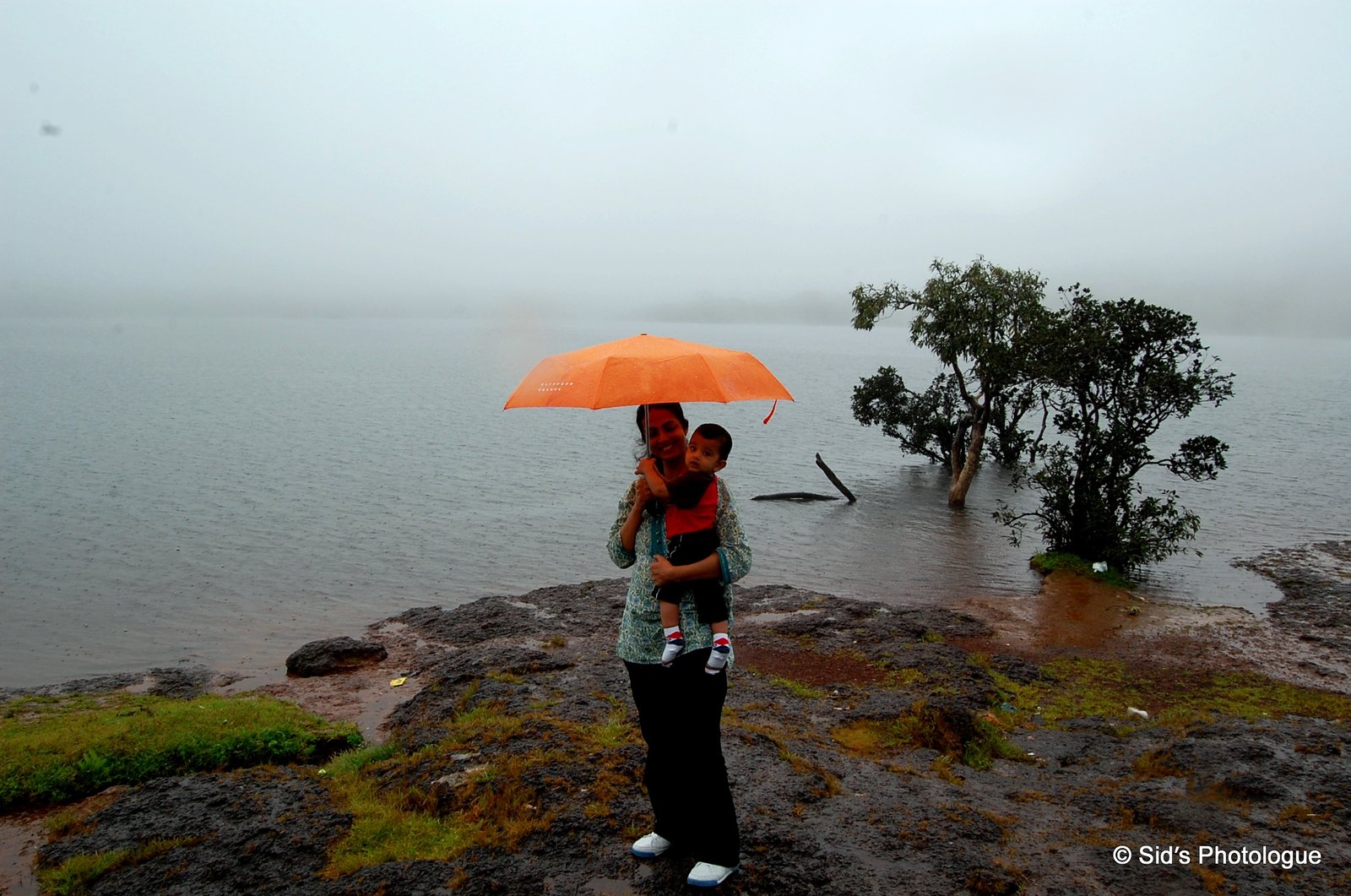
A little ahead of the Plateau is the Kaas Lake….
…again we were greeted with dense fog and heavy rains…
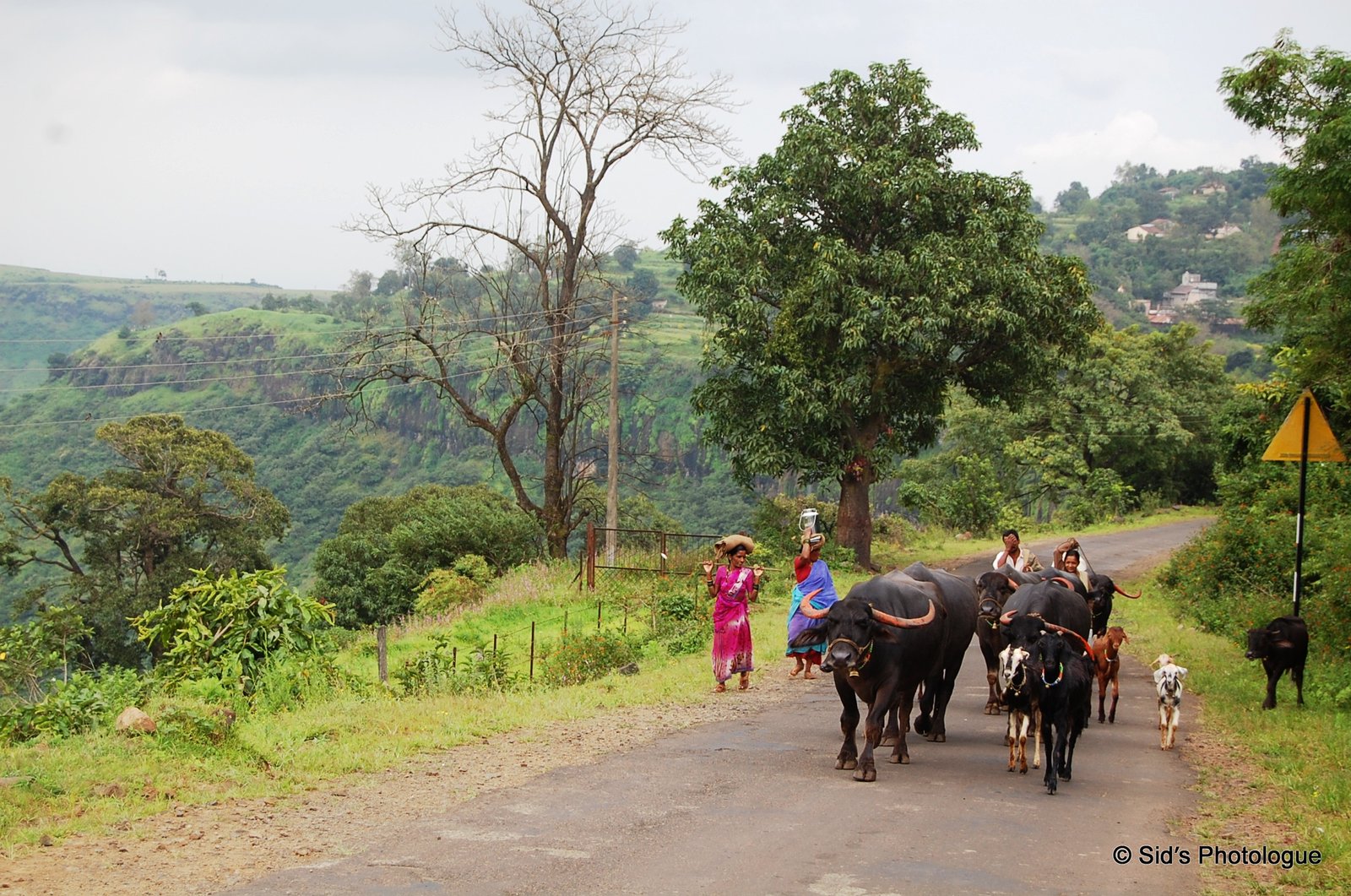
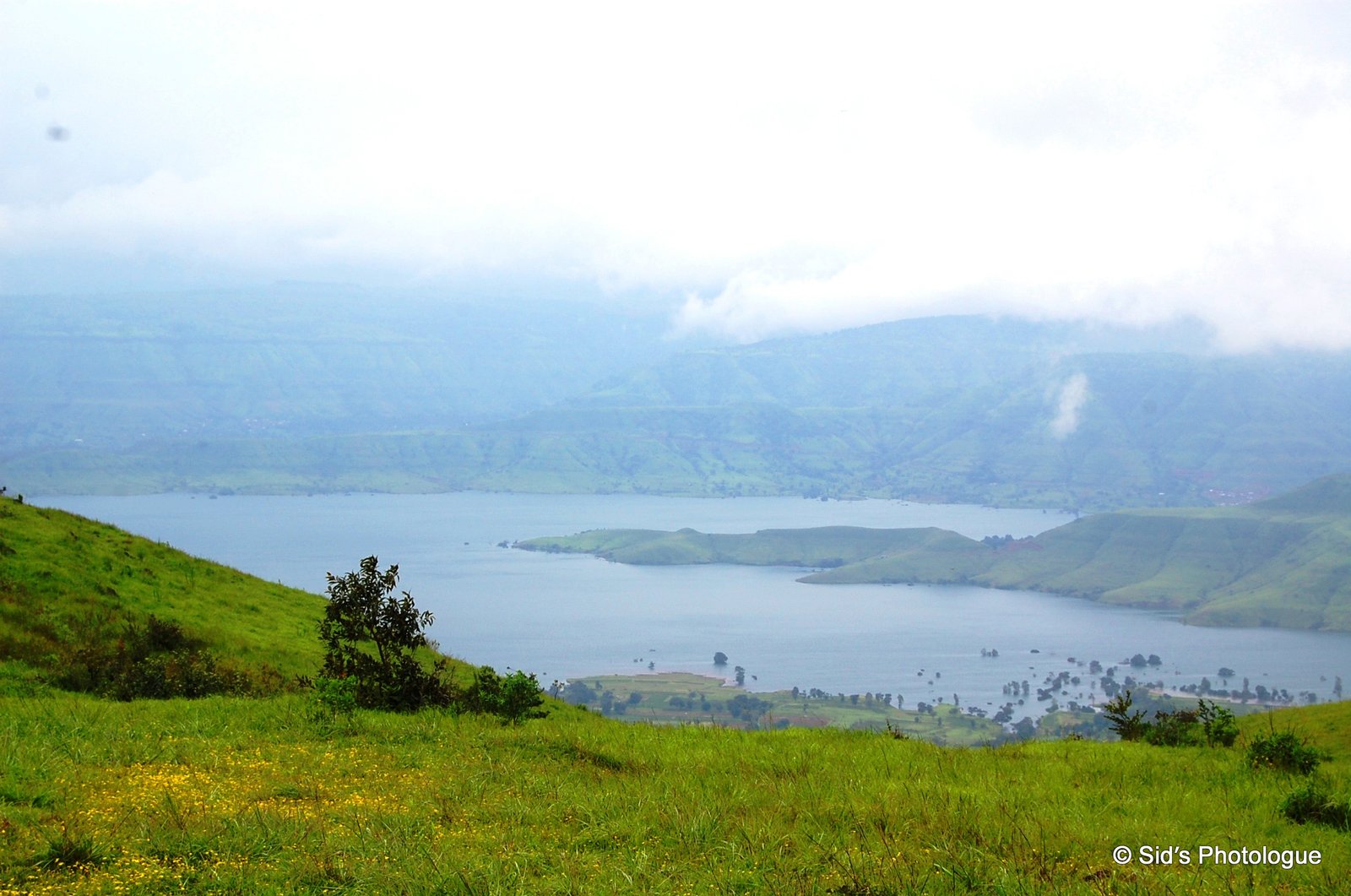
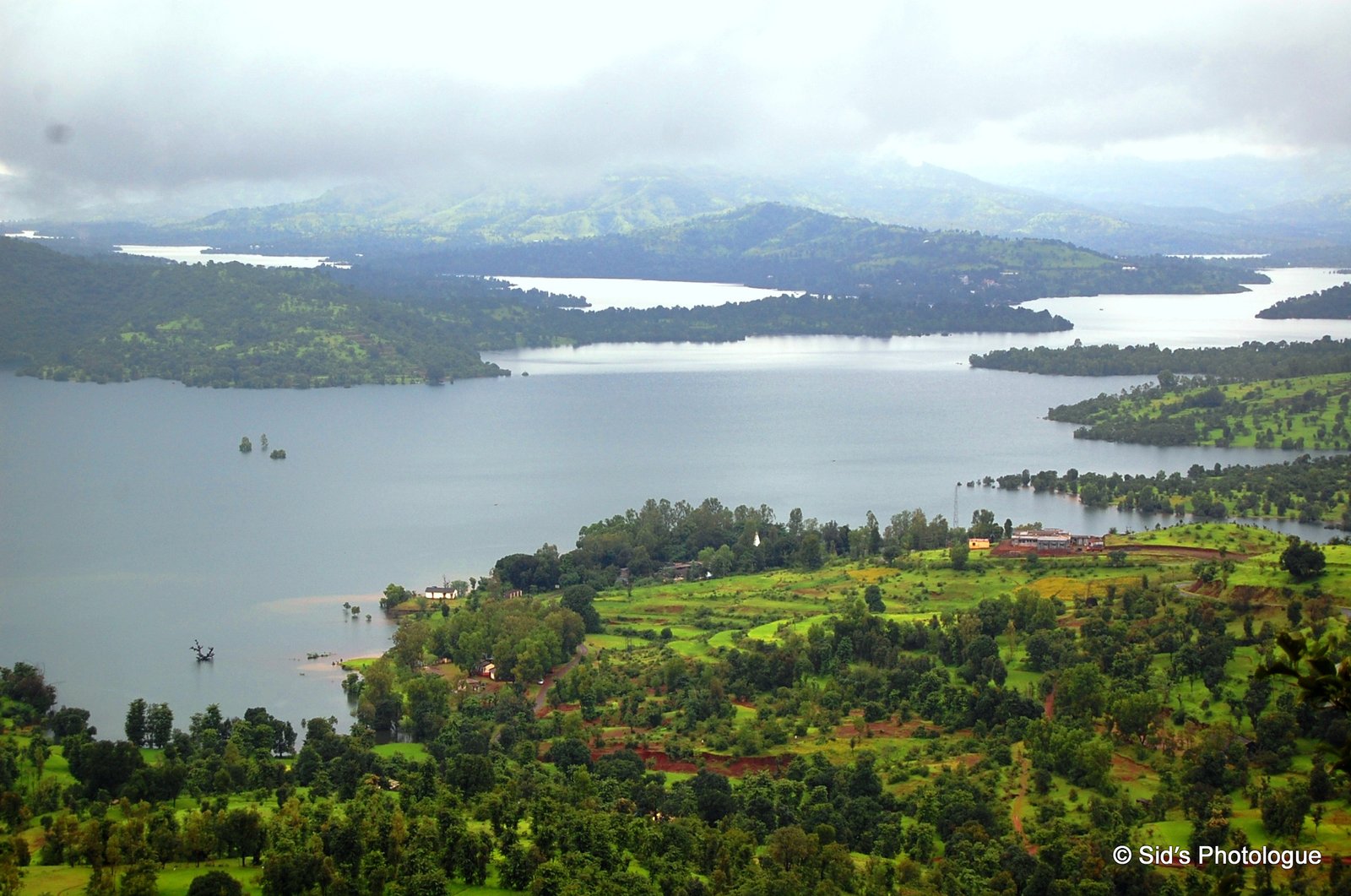
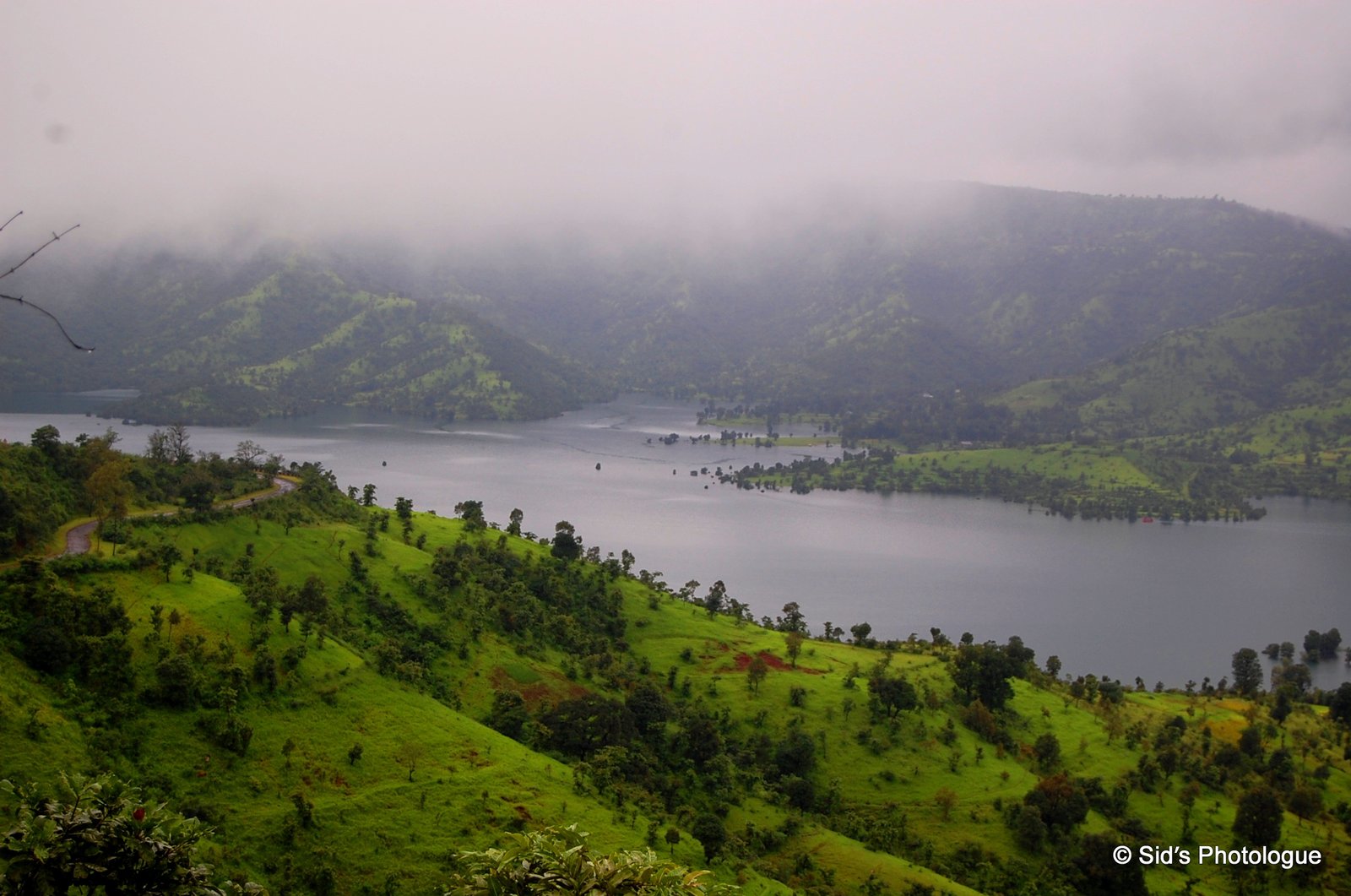
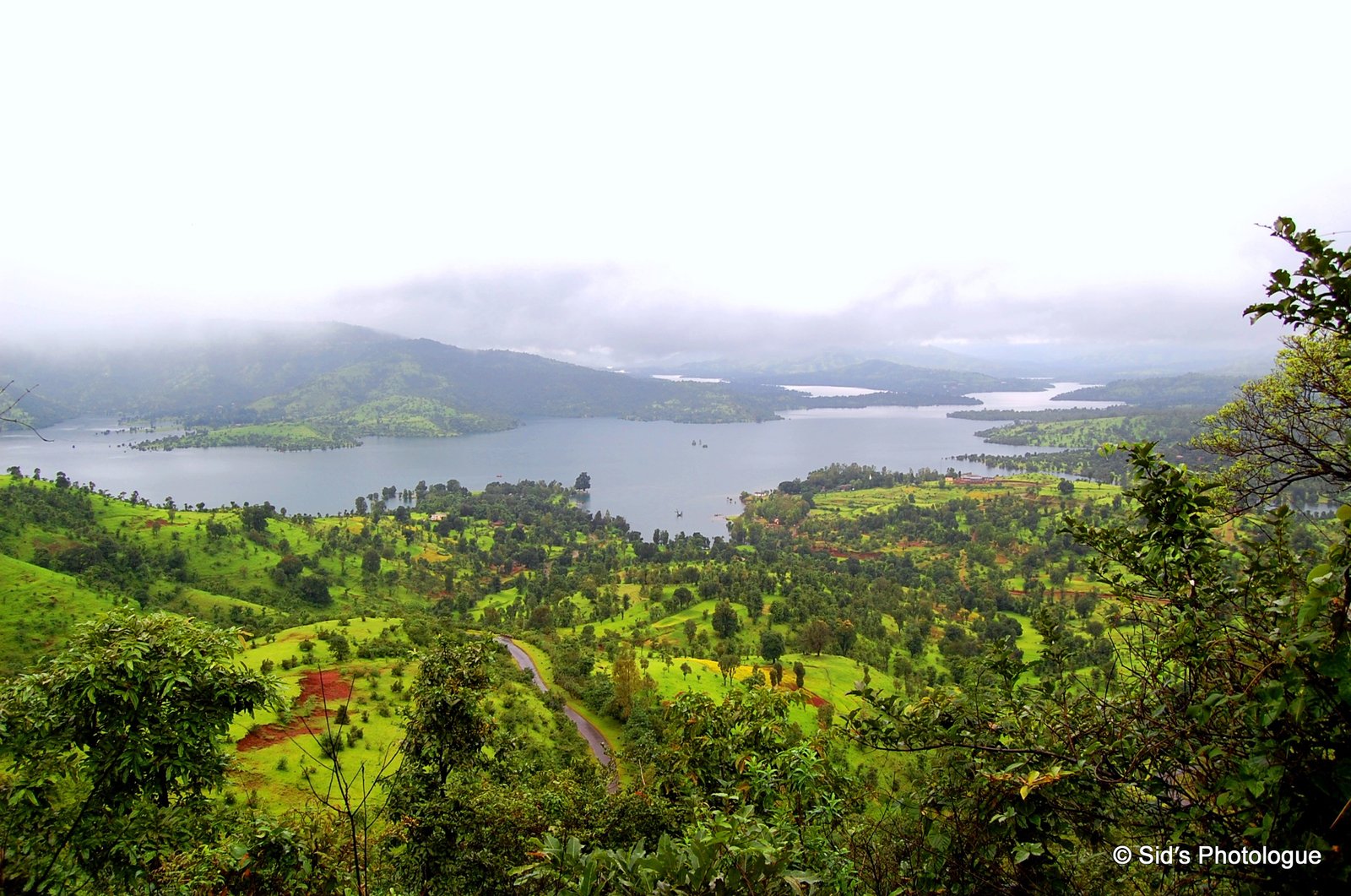
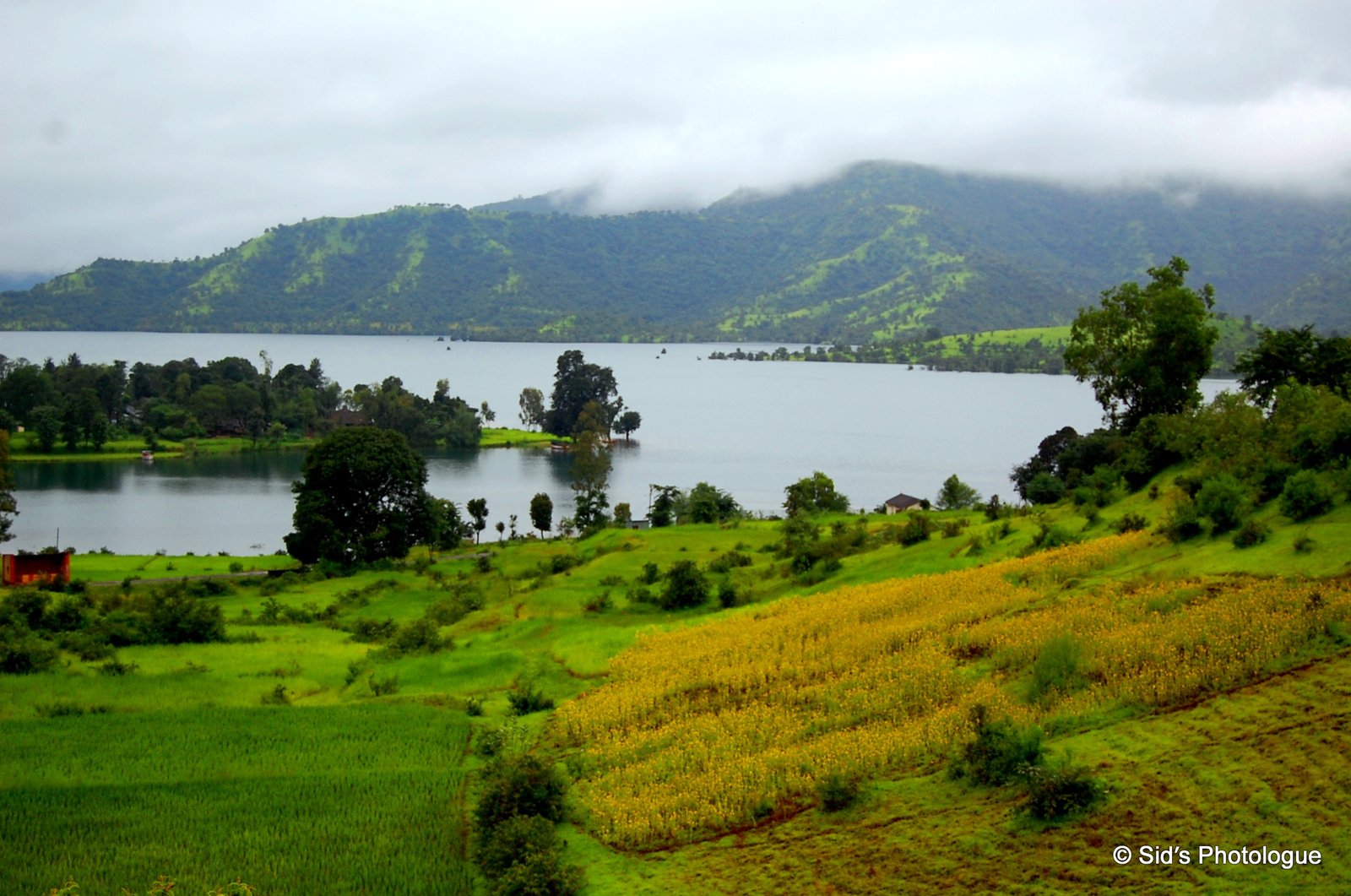
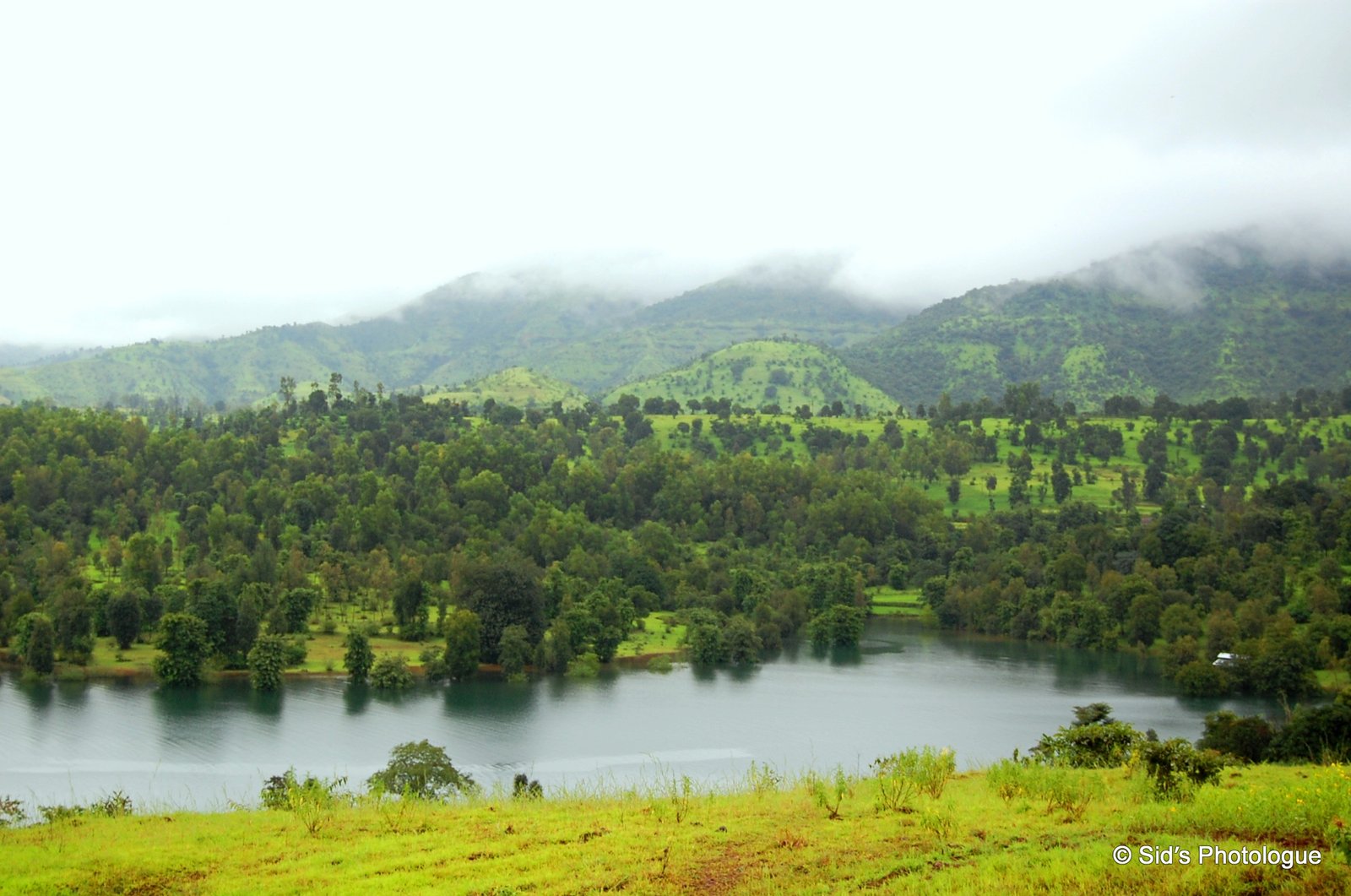
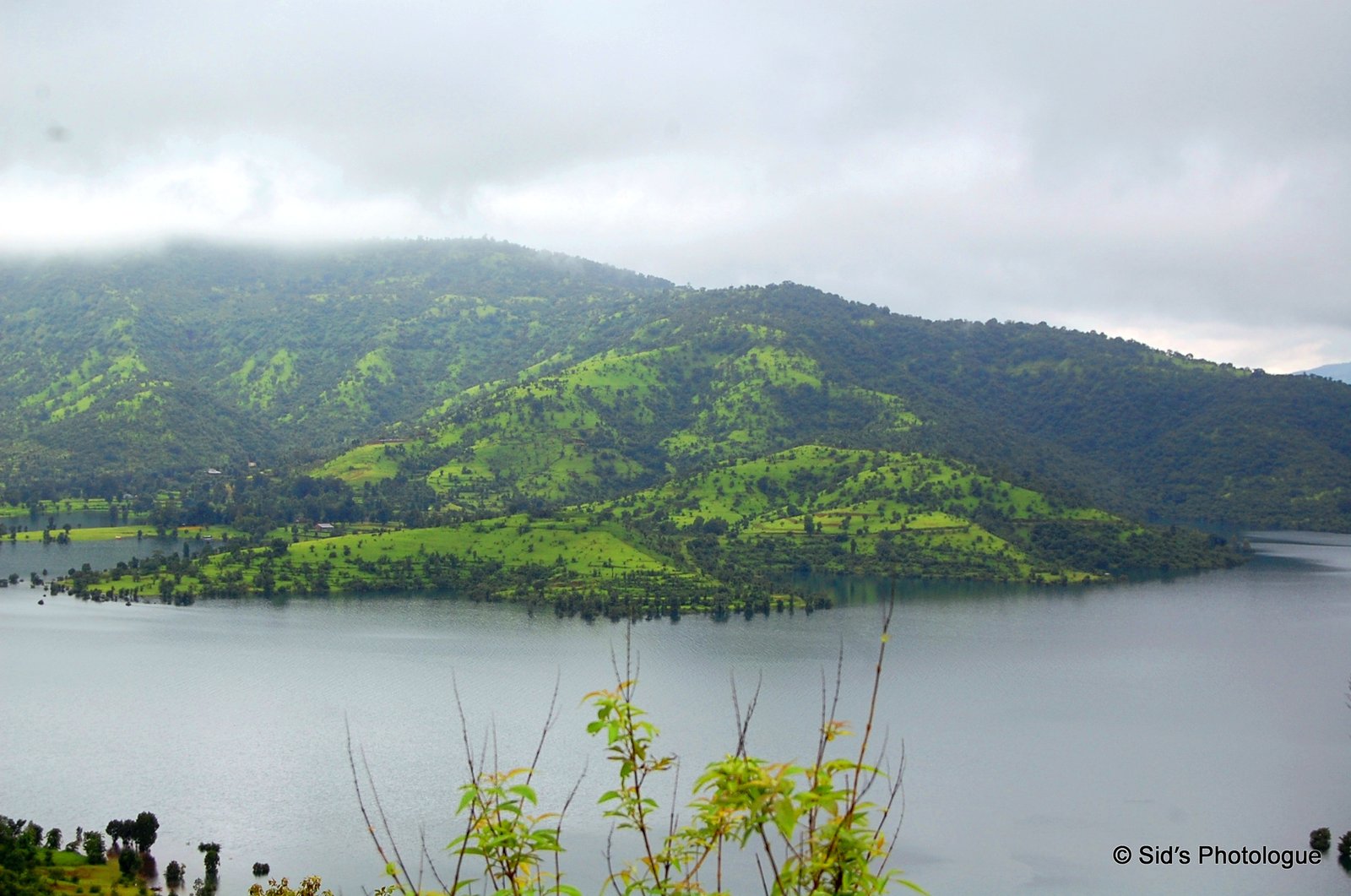
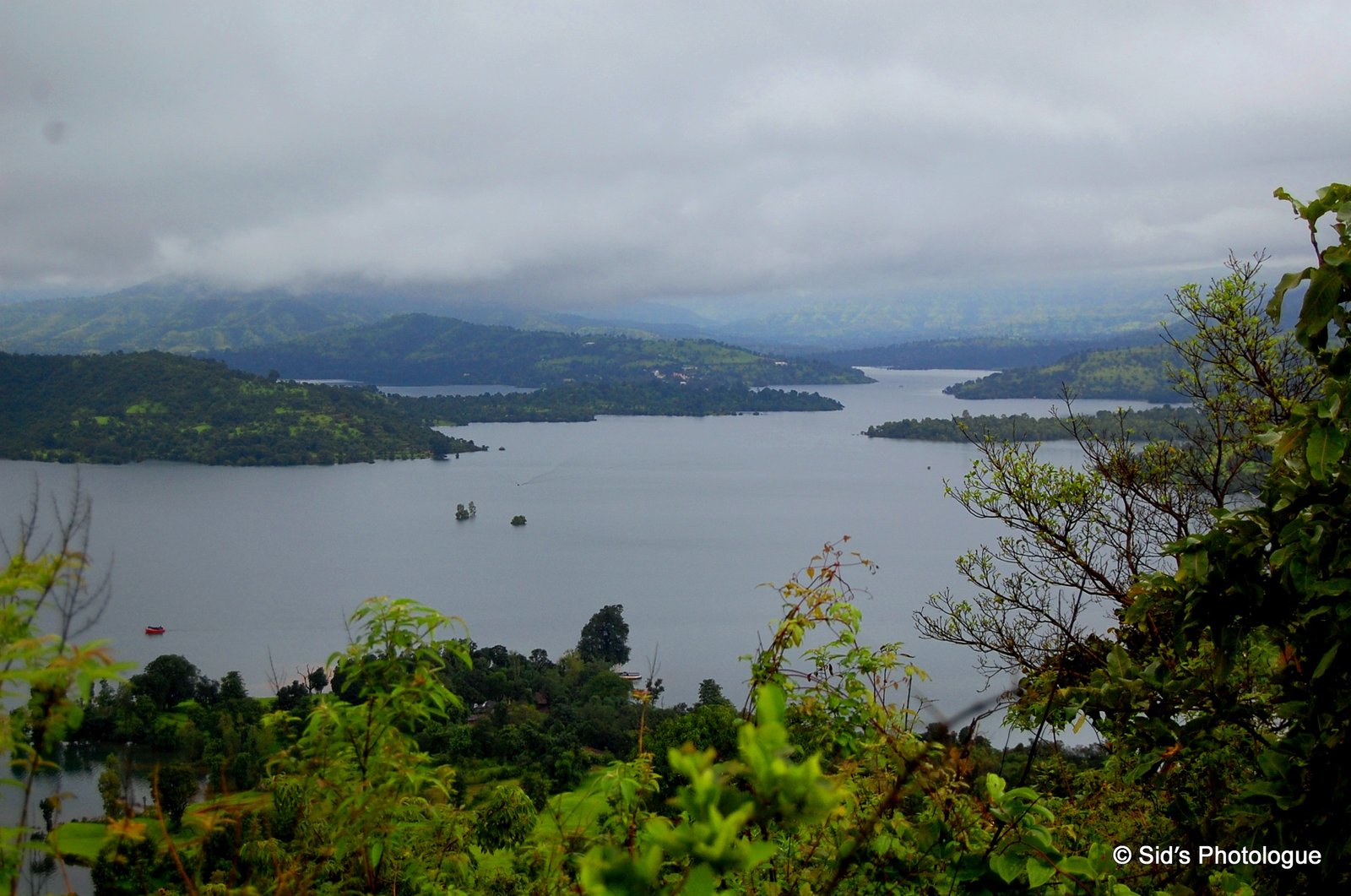
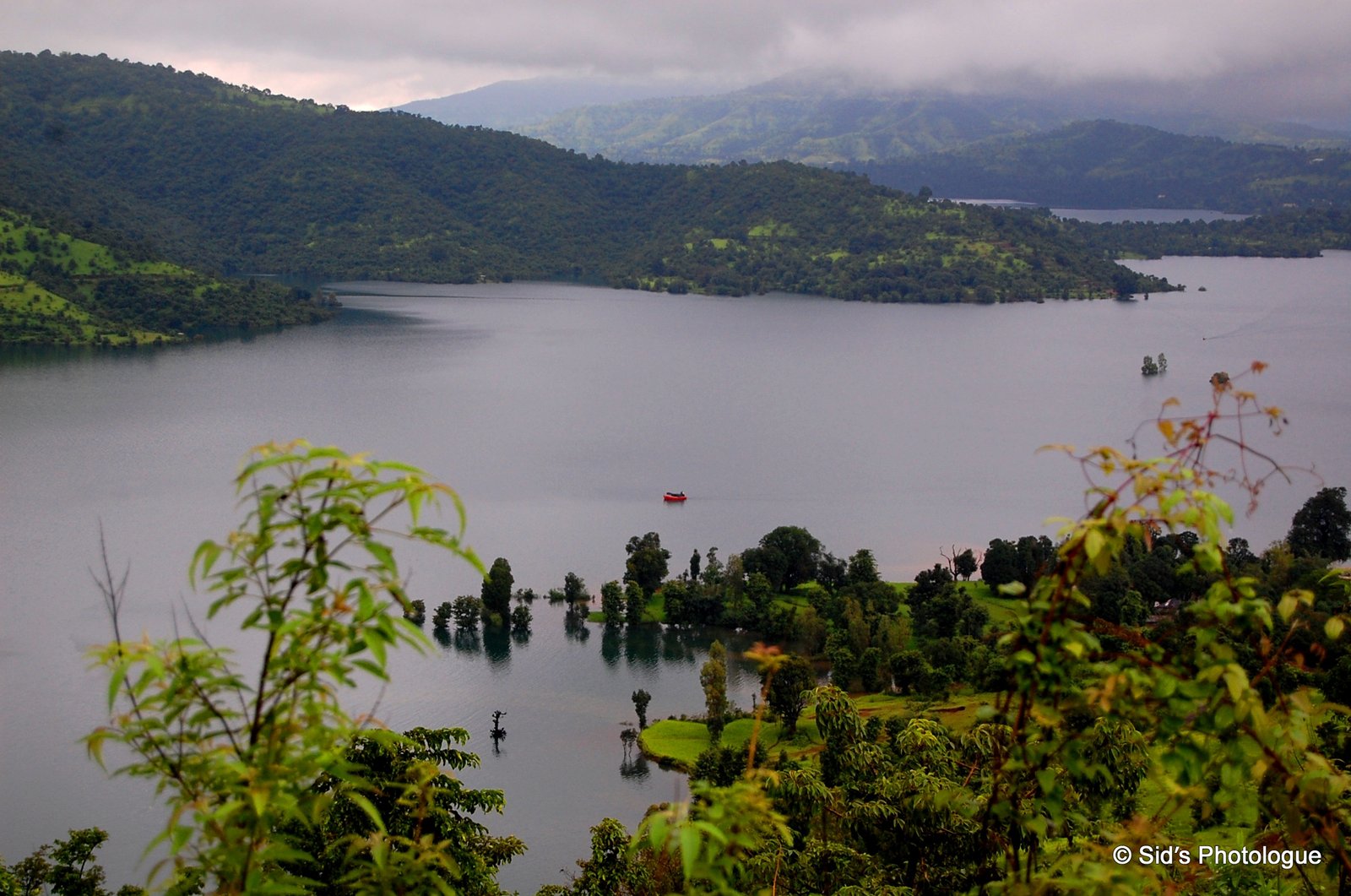
Climbing down on the other side of the Plateau is the Bamnoli village….
…..another hidden gem….
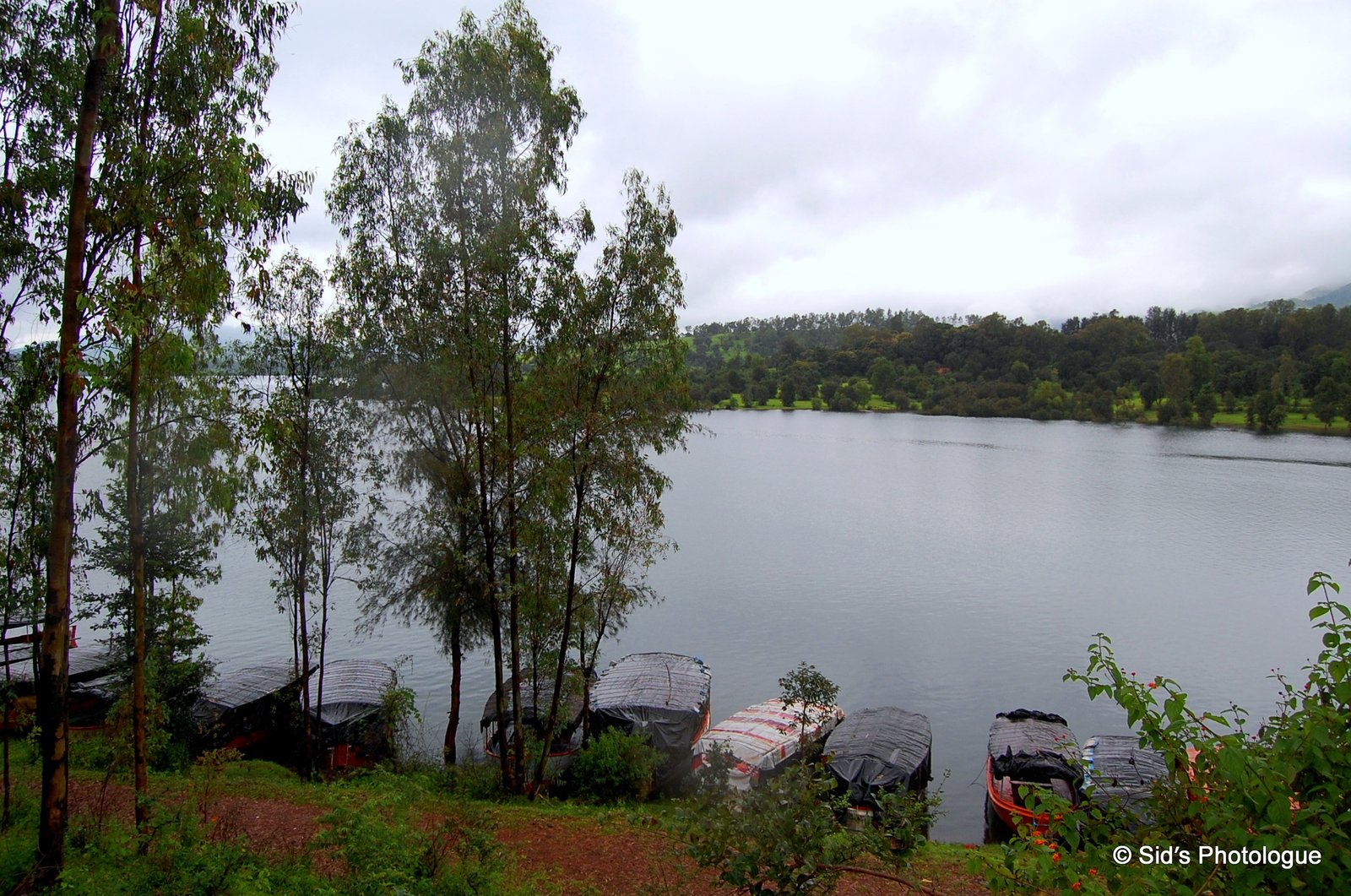
….with a huge lake, formed by the backwaters of Koyana dam.
If you go upto Kaas, you MUST visit Bamnoli. Its just 11 km on the otherside of plateau !
Bamnoli, is connected to Tapola by road as well as by water route.
Climbing up from Tapola, one can reach Mahabaleshwar !!
This is Sahayadri at it’s best !!!
Back to the Kaas plateau….
…let me click a few shots before the fog covers it again…..
The flora of Kaas i.e. the entire flowering plants and their related plants are typically restricted to a particular locality, forming large clusters of land with the same type of flowers.
Because of this basaltic nature of the plateau, plants growing here are typically grass like. Botanically the flora is labeled as “herbaceous” and bears small flowers, making this place the heaven; also referred to as the “Flower Valley of Maharashtra”





Wonderful Post
Thank you Mukul
welcome