The Sundarbans is the world’s largest mangrove area in the delta formed by the confluence of Ganges, Brahmaputra and Meghna Rivers in the Bay of Bengal……
…….Spanning from the Hooghly River in Indian state of West Bengal to the Baleswar River in Bangladesh, the Sundarbans comprises closed and open mangrove forests, agriculturally used land, mudflats and barren land.
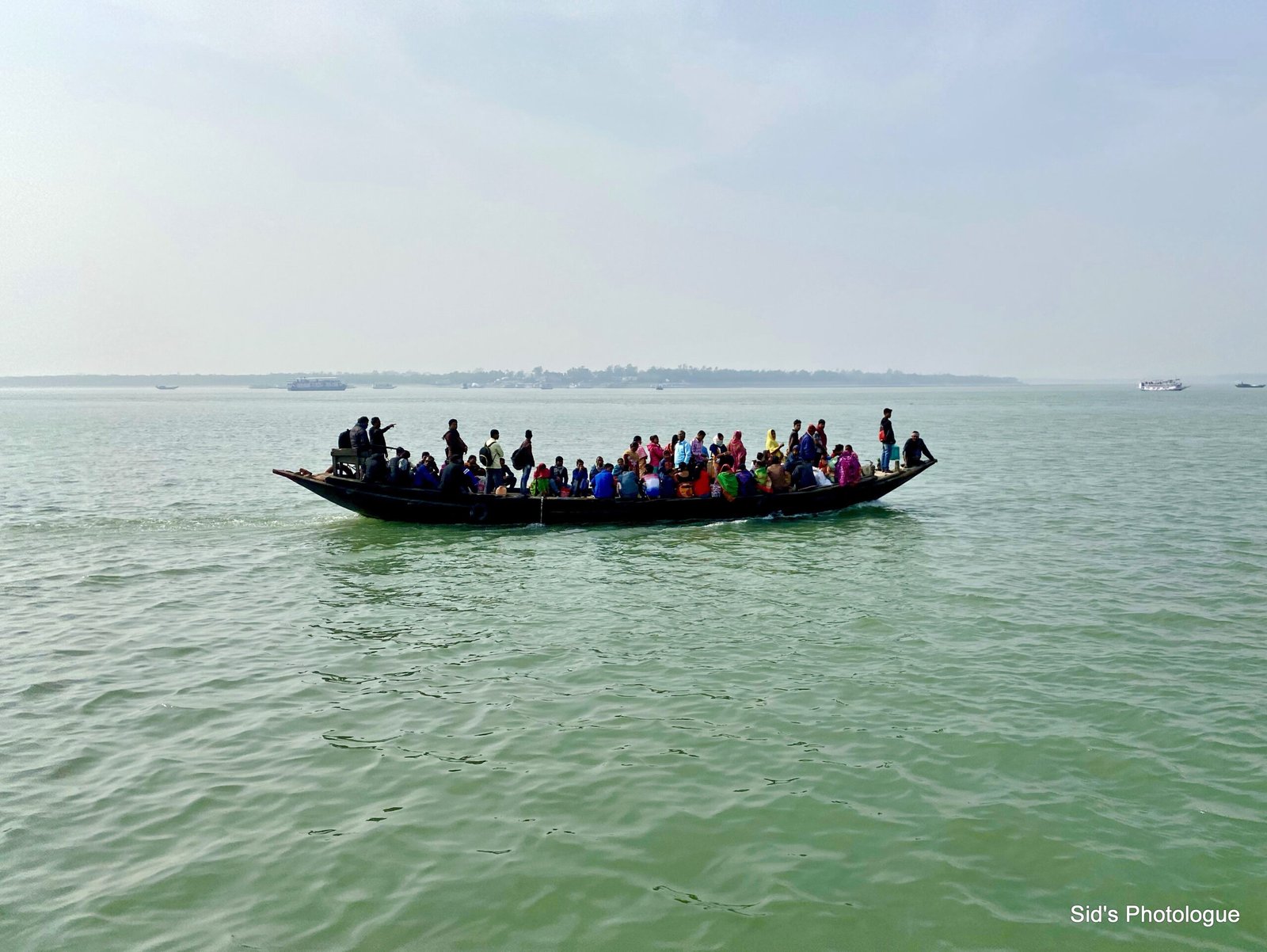
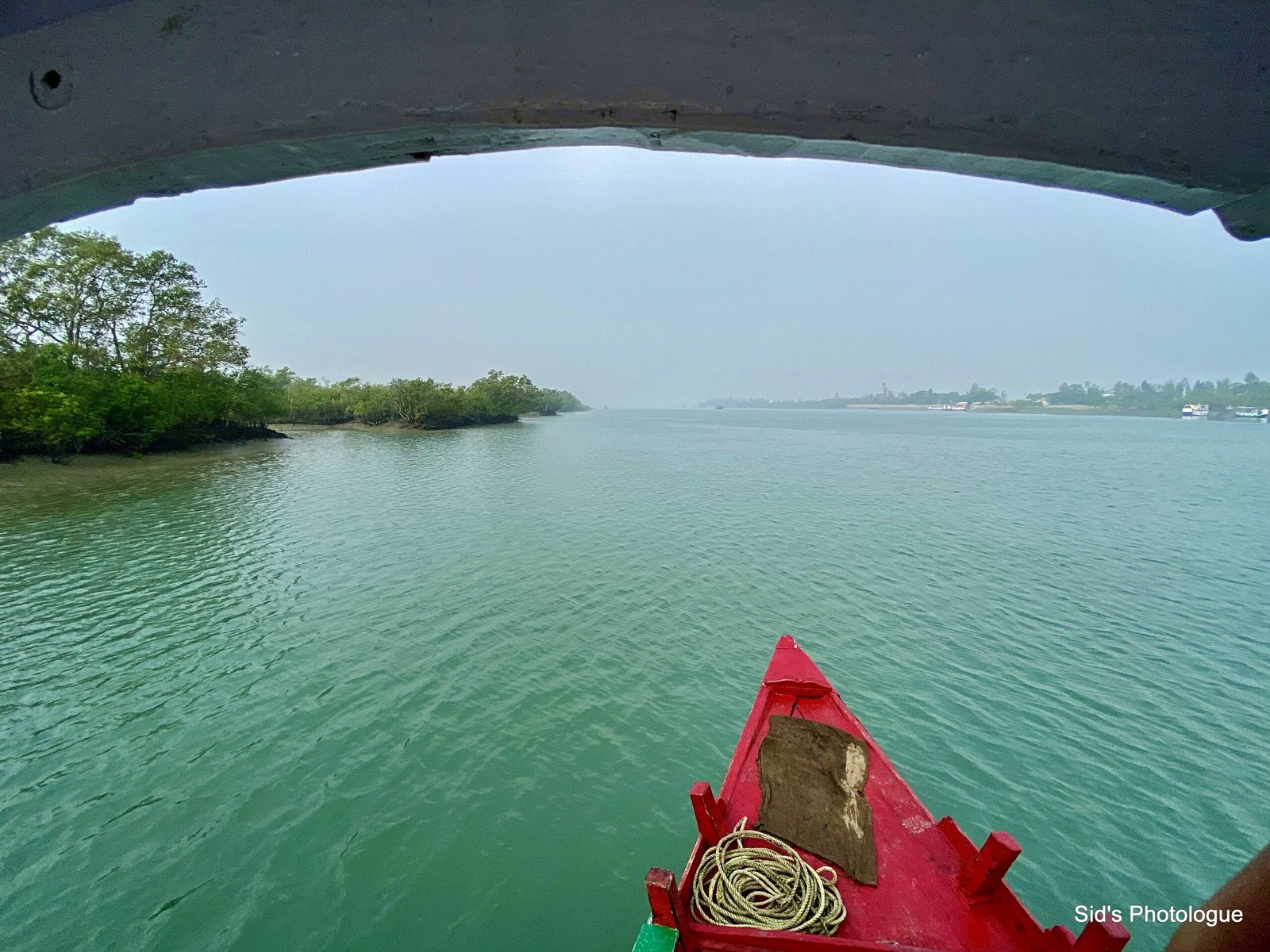
The delta is also used as a key waterway, not just for the locals to hop across the islands, but also for the bigger freight & cargo ships to cross over between India & Bangladesh.
Sundarbans is a UNESCO heritage & protected site, with the mangrove forest covering an area of about 10,000 sq. km – of which forests in Bangladesh’s Khulna Division extend over 6,000 sq km and in West Bengal, India, they extend over 4,000 sq. km across the South 24 Parganas and North 24 Parganas districts…….
Situated about 100 km from the city of Kolkata, the 54 islands of Sundarban delta are predominantly connected with each other only by waterways……
…….. & every island has one or two prominant jetties to dock the boats for locals and the tourists alike….
…which includes their daily commute across the islands or to the mainland towns…..
…..or transporting their goods, foods or even transport vehicles….
These boats are their only lifeline to reach the remotest land within this maze of land & water!
Sundarban has got its name from the Sundari tree. It is the most exquisite variety of tree that are found in this area, a special kind of mangrove tree……..
……it has specialised roots called pneumatophores which emerge above ground and help in gaseous exchange i.e. respiration…….
……During the rainy season when the entire forest is waterlogged, the spikes rising from the ground has their peak in the air and helps in the respiration process……
The mangrove-dominated Ganges Delta – the Sundarbans – is a complex ecosystem comprising one of the three largest single tracts of mangrove forests of the world…….
….it is of further imporatnce, as it is the only mangrove forest with more than 400 Royal Bengal Tigers….
The royal Bengal tigers have developed a unique characteristic of swimming in the saline waters, and are famous for their man-eating tendencies. Tigers can be seen on the river banks sunbathing between November and February, especially around these strategically built watch towers & look out areas….
In addition to the Tigers, Sundarbans is house to several species of Deers…..
Saltwater Crocodiles….
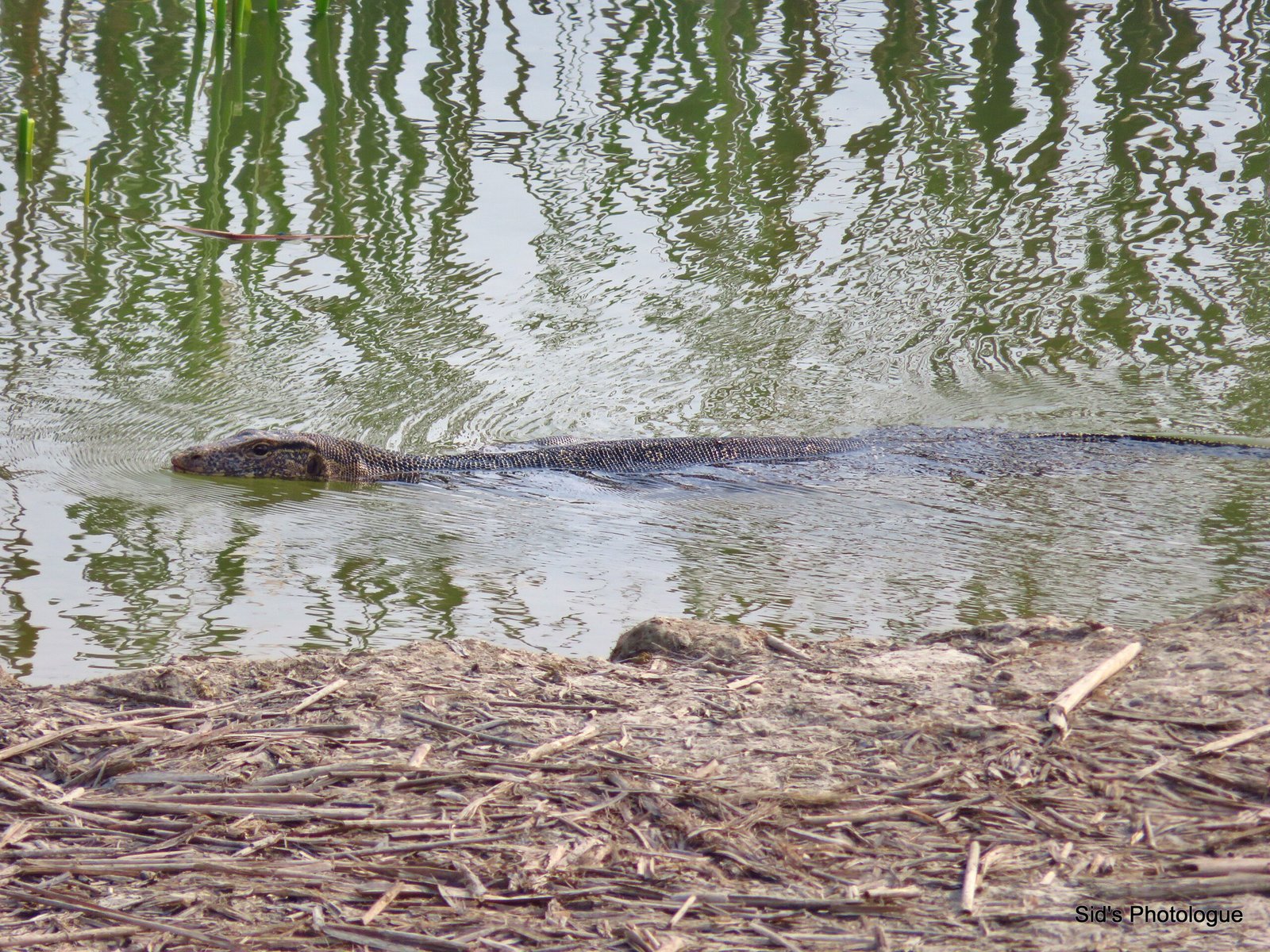
other reptiles like Monitor Lizards & many other wildlife.
The boatmen have a very peculiar struggle every morning. The water levels in the delta, depends on the tidal cycles, where the boats often gets drifted…..
…..which needs to be pulled back to the jetty with a struggle….
Apart from farming & fishing, the other major business is that of transport boats & tourism
All tourist boats have dual function – can act like a regular sightseeing boat or can accomodate people for overnight stay as House Boats!
Almost all these boats are equipped with a kitchen, that can cater upto 50 people & is also fitted with modern toilets.
Every single day, the fleet of tourist boats from different operators sail through the maze of the backwaters, taking the tourists to various parts of the Sundarban delta….
….with a hope that the tourists can catch a glimps of a Royal Bengal Tiger crossing the mud flats or basking in the sun!
Serene & calm backwaters of Sundarban has a magical effect on the travellers to soothe their nerves and relax their souls!!
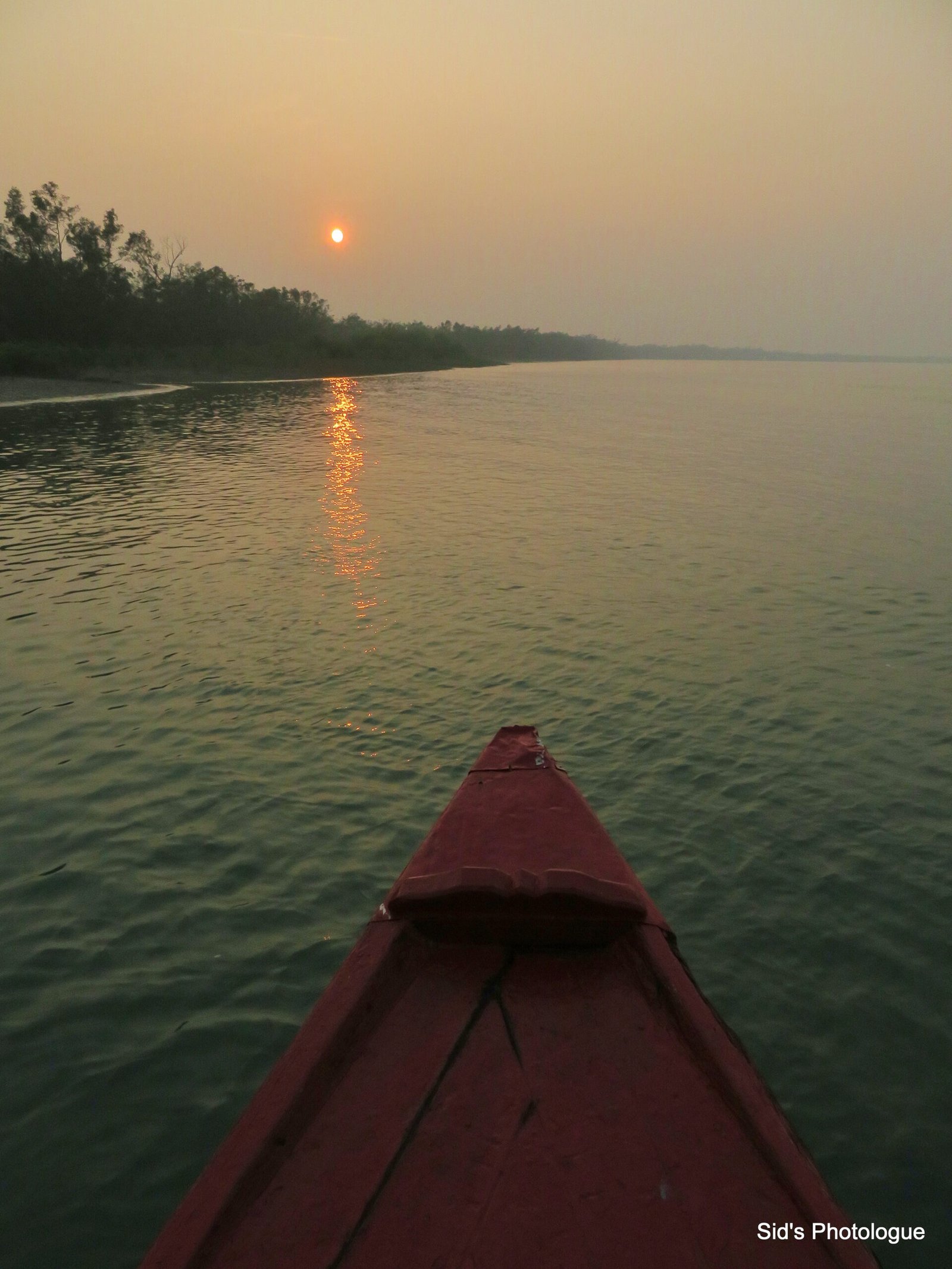
And as the sun sets….
….the backwater landscape turns golden with the setting rays….
..transforming the sky canvas with its hues and shades…
As the sun rises over the waters of Sundarban delta…..
…the villages on the small islands come alive.
People here, lead a very simplistic life, with very minimal resources….
…typical mud houses…
..with the earthen cooking ovens…
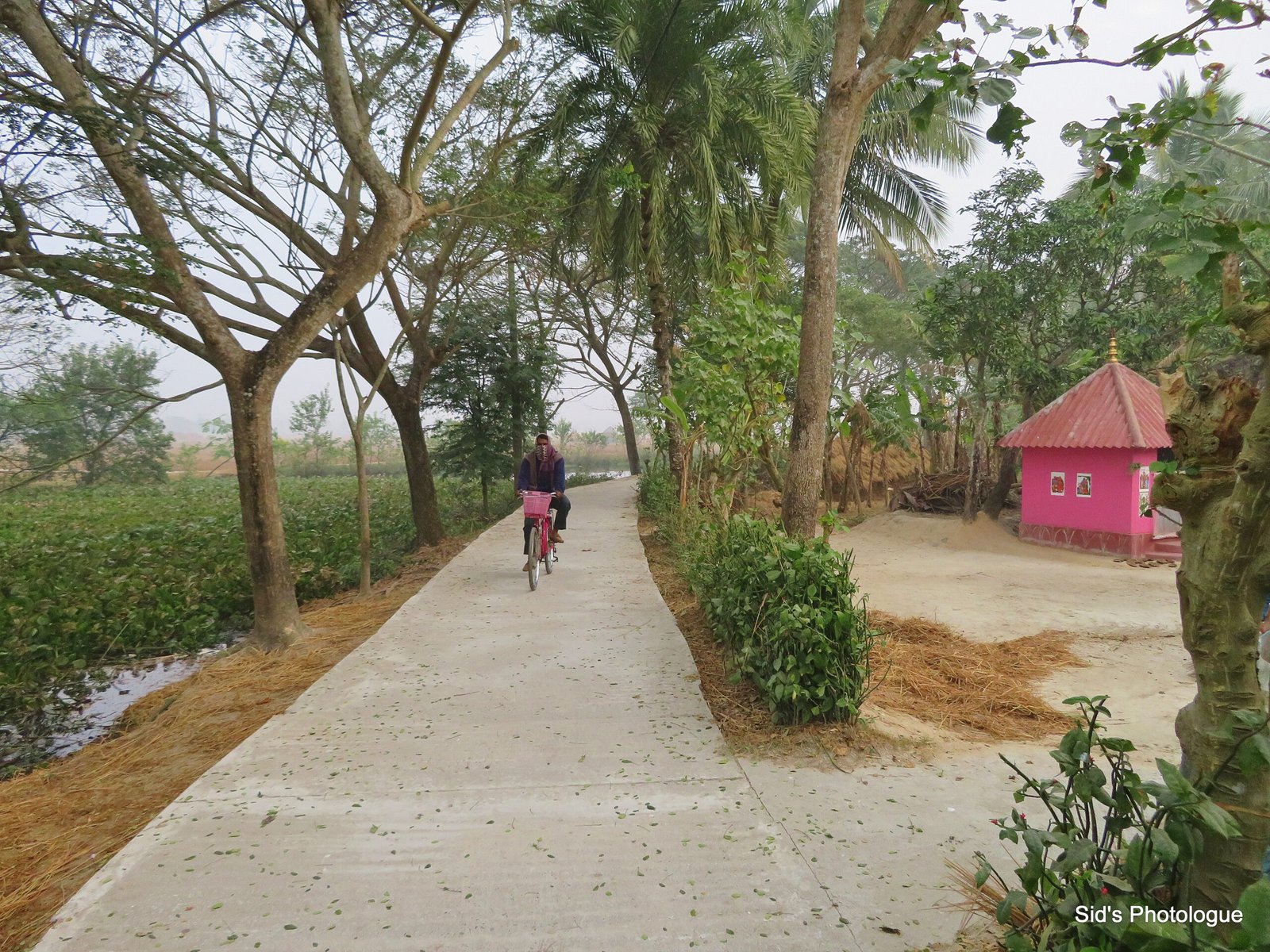
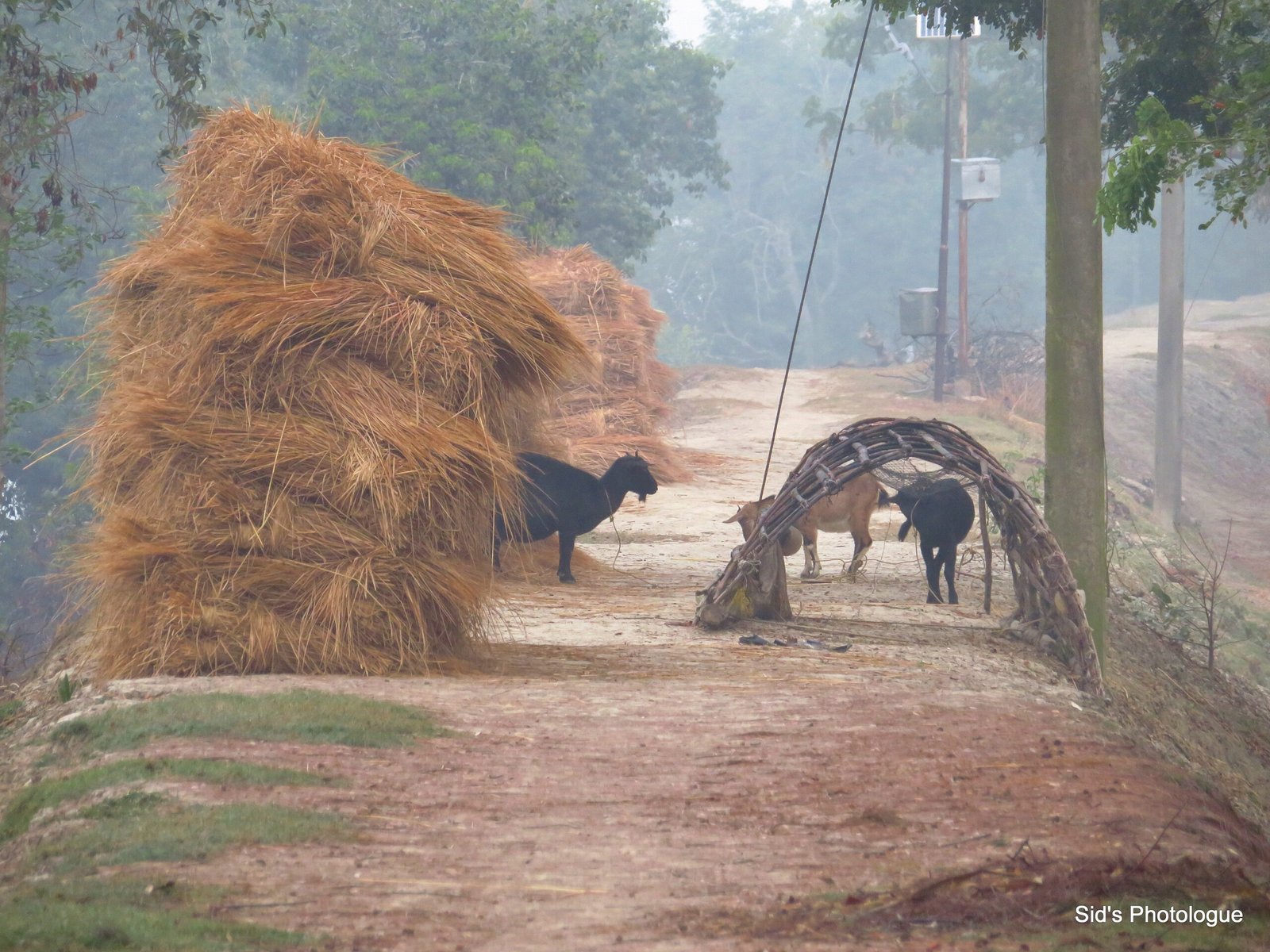
…tiny paved roads…
…daily struggle to fetch freshwater from far away wells…..
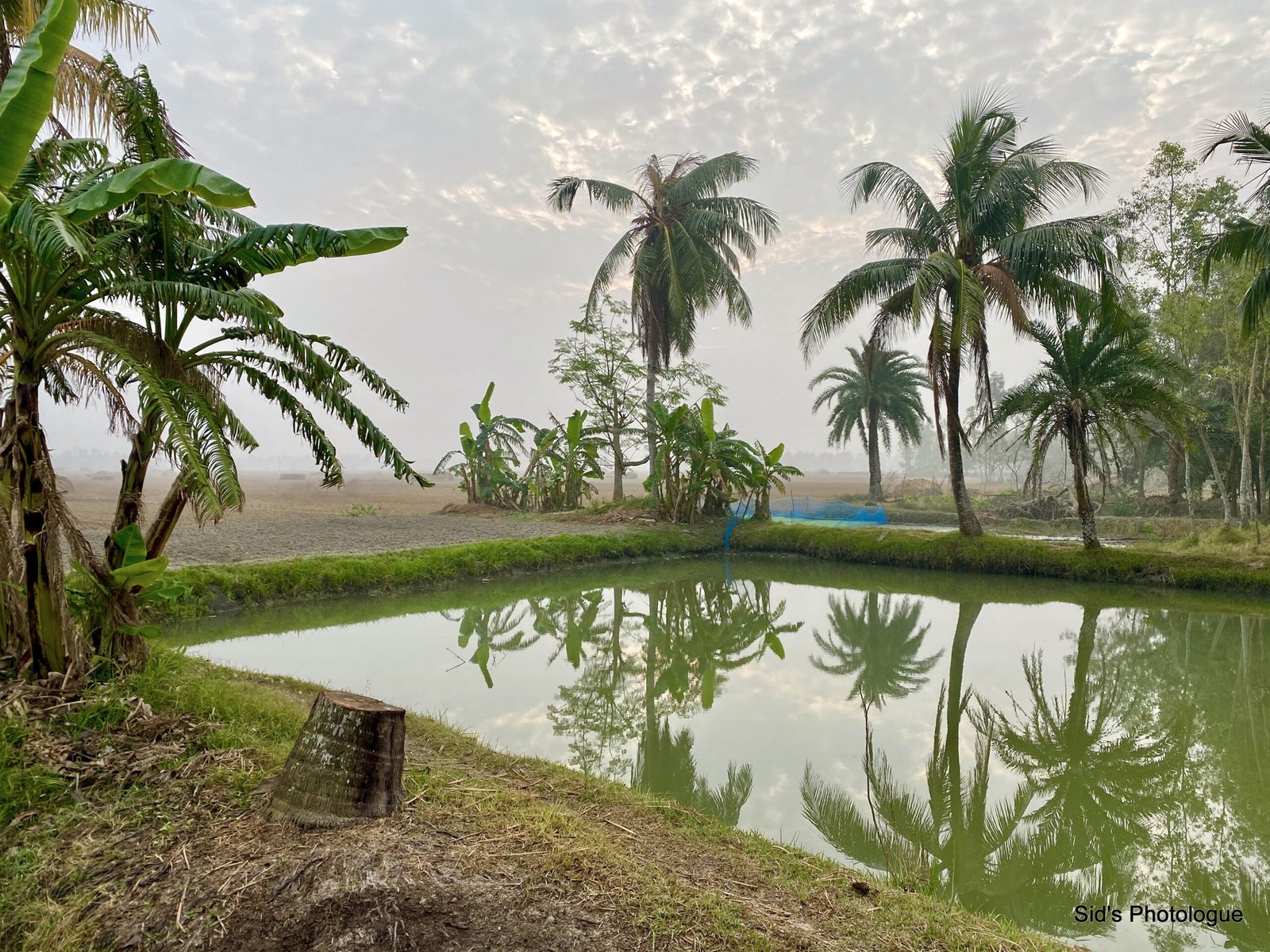
….small fish ponds…
….paddy fields….
…tiny livestock barn…
…small fishing boats….
…& lack of electricity!!
It is only been a year that some of these islands are minimally electrified. Otherwise for the 70 years since independence, these have always been in total darkness!
While most of us, visiting Sundarbans as tourists, are pampered to the core by the friendly locals…..
…..we fail to see the otherside of their life which is full of hardship….
…struggling to survive!
However, it is their strong willpower & similing attitude that anchors them to face any resource constraints & natural adversity…..
…& remain happy with what they have & hopeful that their lives too will change one day in line with the other developments in the nation.